Gold wine 24% sugar guide Why is gold wine best?
"The color of wine can tell a story of its age, its grape variety, and the careful hands that harvested the fruit."
The question of why gold wine is best often relates to the specific characteristics of white or aged wines that exhibit rich, golden hues. This guide explains the relationship between grape chemistry, sugar levels, and color, while noting that color alone does not dictate all quality aspects. 1. Golden hues often indicate specific ripening stages or aging processes. 2. Wine grapes are harvested at approximately 24% sugar by weight. 3. Acidity levels shift from tartaric to malic acid during berry development. * Color is influenced by the fruit's water and sugar composition.
Why is gold wine best?
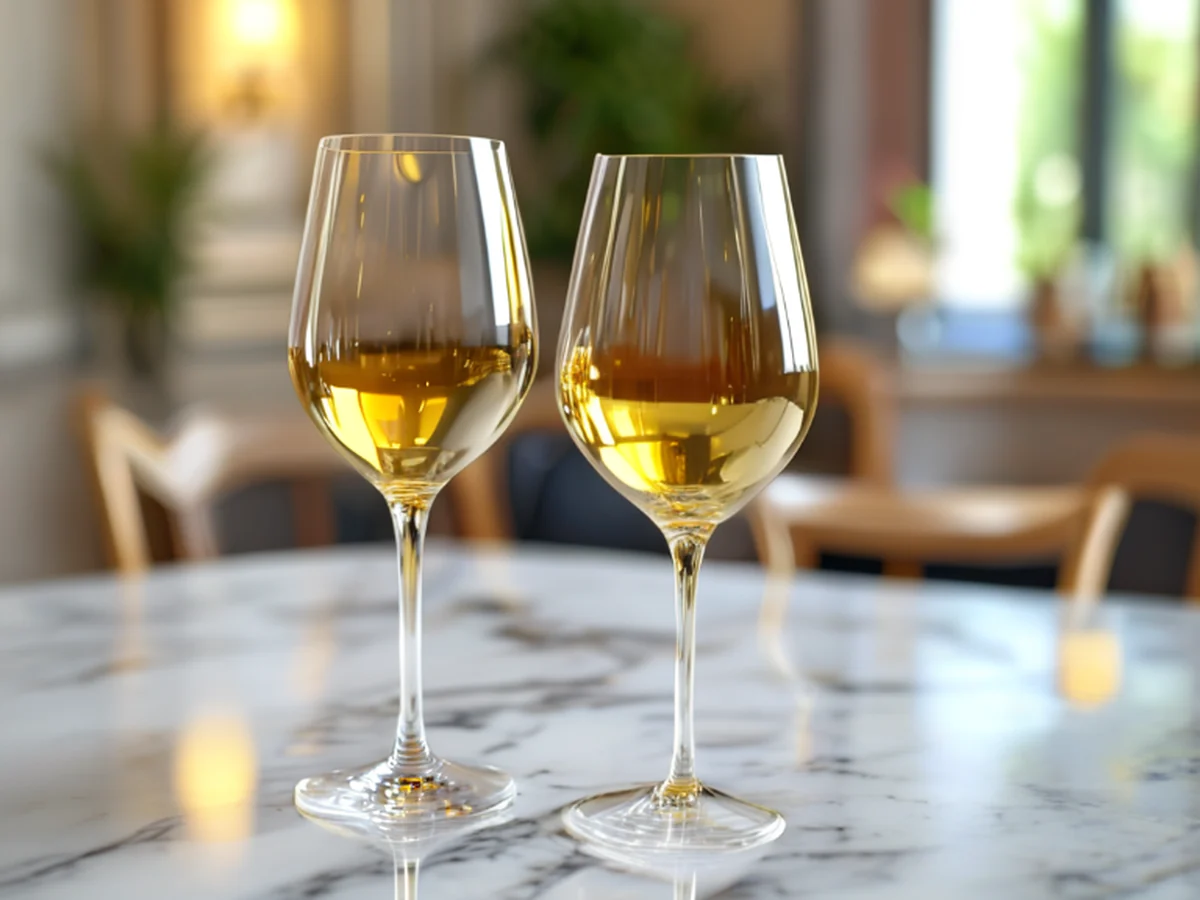
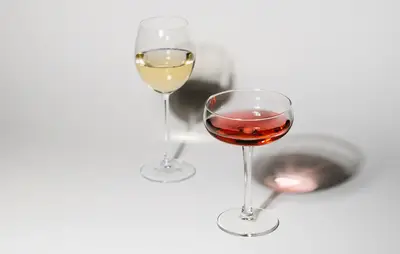
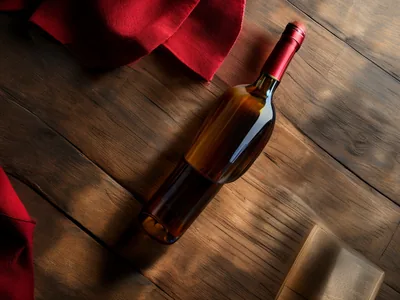
A glass sits on a mahogany table, catching the light as a pale, golden liquid swirls against the crystal. The person holding it observes the deep amber reflections that suggest a complex history of viticulture. According to USDA FoodData Central, red table wine contains 0.46mg of iron per 100g.
Understanding why gold wine is best requires looking at the sugar concentration and the biological development of the grape.
According to technical data, wine grapes are harvested at peak sugar levels, which are approximately 24% sugar by weight. This high sugar content is essential for the fermentation process that eventually defines the body and mouthfeel of the wine.
When these sugars interact with the specific acids of the grape, the resulting liquid can develop the rich, golden characteristics sought by enthusiasts.
The relationship between color and quality is not a fixed rule, as many high-quality wines are red. While golden tones often signal specific styles, the actual grade of a wine depends on a variety of chemical factors.
What are the golden wine characteristics?
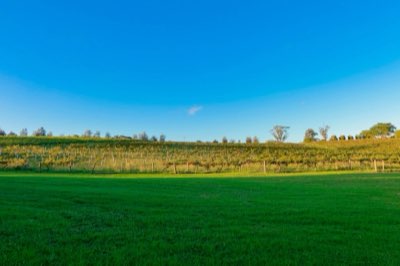
The sun beats down on a wide vineyard, where the vines stretch toward the horizon in perfect rows. A worker reaches for a cluster of grapes, feeling the heavy, sweet weight of the fruit in their palm.
Identifying golden wine characteristics involves recognizing how the fruit's internal chemistry translates to the final pour.
The development of the fruit is a precise biological sequence. Berries appear within a 60-day period after fertilization, first producing tartaric acid and later malic acid as the flesh increases.
This shift in acidity, driven by the hormone ethylene, creates the structural backbone that supports the wine's flavor profile.
The texture and appearance of the liquid are also tied to the water and sugar balance. The flesh of the grape contains 75-85% water, which is supplied by the xylem before ripening and the phloem after ripening.
This transition ensures that the soluble sugars, glucose and fructose, are present to create a balanced, golden liquid.
How does wine color and grade relate to sugar?
A technician measures the juice of a freshly harvested grape, noting the heavy sweetness on the testing strip. In the cellar, the liquid is compared to standard juices to ensure it meets the requirements for premium production.
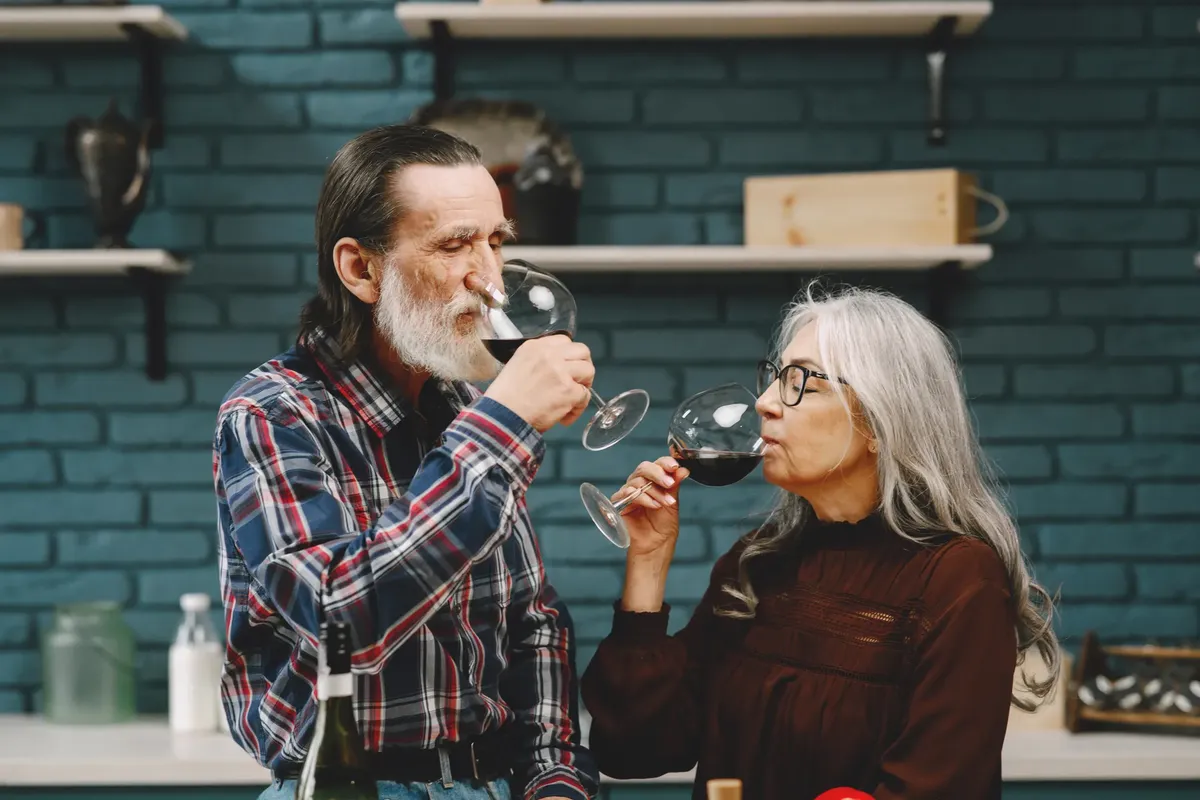
Understanding wine color and grade requires a comparison of sugar density.
The sugar levels in wine grapes are significantly higher than those found in common table grapes.
| Product Type | Sugar Content by Weight |
|---|---|
| Wine Grapes | Approximately 24% |
| 100% Grape Juice | Around 15% |
I observed how the higher sugar density in wine grapes directly influences the potential for a richer, more complex color during fermentation. This concentration is a primary driver of the quality expected in fine wines.
What is the rich gold wine taste?
The aroma of ripe fruit fills a small tasting room as a chilled glass is brought to the nose. A taster notes the subtle balance between sweetness and the lingering presence of organic acids. Seeking a rich gold wine taste involves appreciating the interplay between sugar and acid.
The flavor profile is a direct result of the grape's maturity. Because wine grapes reach such high sugar levels, the fermentation produces a more robust sensory experience than standard fruit juices.
The presence of tartaric and malic acids ensures that the sweetness is balanced by a necessary brightness.
The complexity of the taste is also influenced by the nutritional makeup of the fruit. Raw grapes contain 18% carbohydrates and 1% protein, providing the essential building blocks for the fermentation process. This chemical foundation allows the golden liquid to express its unique terroir.
How to manage gold wine alcohol acidity?
A sommelier pours a sample into a narrow glass, checking the viscosity and the way the liquid clings to the sides. They swirl the glass, watching how the golden light dances through the liquid. Managing gold wine alcohol acidity is a matter of understanding the fruit's natural acid progression.
- Monitor the transition from tartaric acid to malic acid during the 60-day berry development period. 2. Ensure grapes are harvested at the precise moment they reach approximately 24% sugar by weight. 3. Verify that the phloem has sufficiently supplied the necessary glucose and fructose to the fruit.
Check the final balance by ensuring the acidity provides a crispness that prevents the high sugar content from feeling cloying.
Storing golden wine temperature and conditions
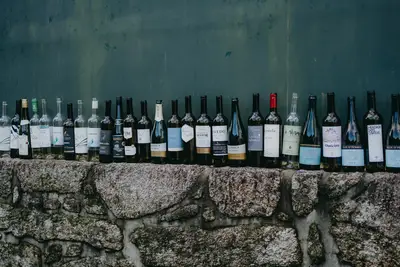
A cellar door creaks open, revealing rows of bottles resting in the cool, dark stillness of the room. The air is damp and heavy, perfect for preserving the delicate chemistry of the vintage. Proper storage is essential to maintain the integrity of the wine's color and flavor.
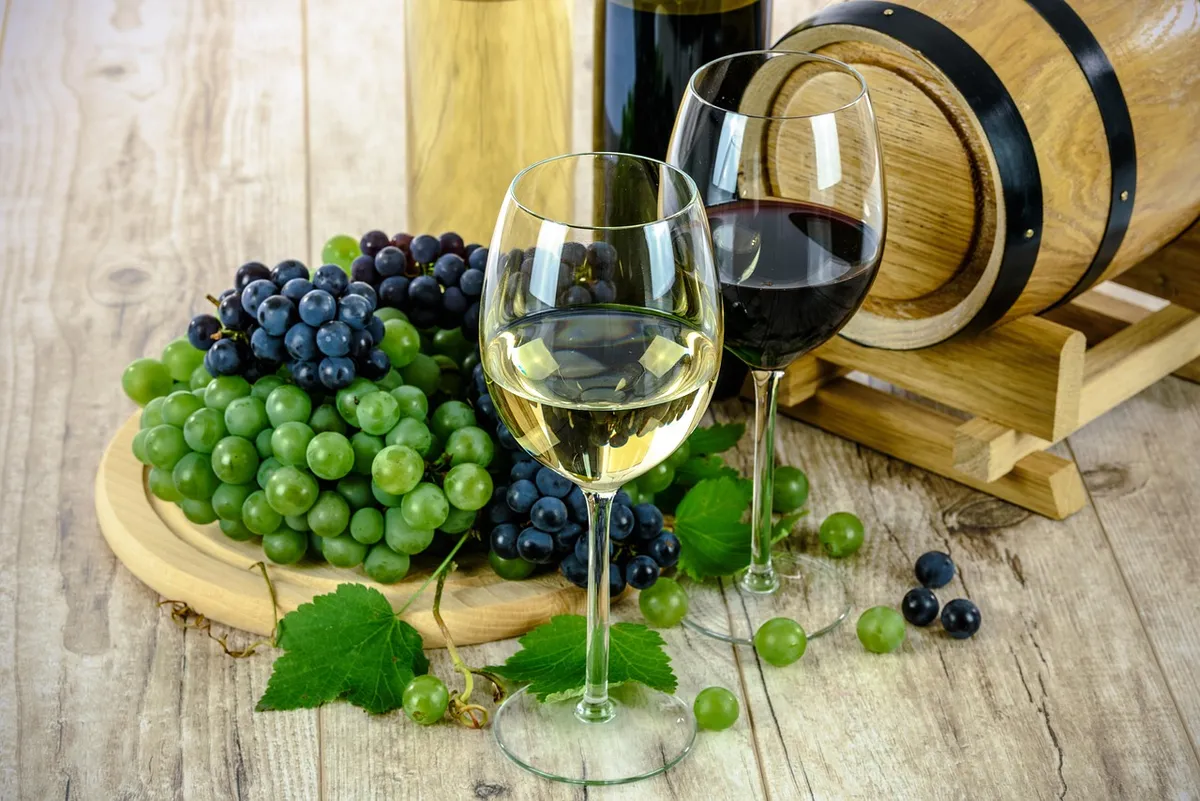
While specific temperature ranges are not listed, the stability of the wine depends on protecting its chemical components. The water content, which ranges from 75% to 85% in the grape, and the delicate sugars must be preserved through consistent environments.
The price of fine gold wine often reflects the difficulty of managing these variables. High-quality production, such as the historic operations seen in Napa Valley where production once reached 50,000 US gallons per year, requires strict adherence to environmental controls.
The subject here is Why is gold wine best?.
The same subject is also called Best wine color quality.
Related

Comments 0