Ice wine Asian wine region history best tips guide
"The grapes for ice wine must only be harvested when they are frozen naturally and the temperature must be −8 °C (18 °F) or below when they are picked."
This article compares production methods and regional dominance to show how cold-climate viticulture has shaped the modern market.
* Canada is the global leader in ice wine volume. * China serves as the world's second-largest producer. * Harvesting requires natural freezing at −8 °C (18 °F) or below. * Ontario produces over 90% of Canada's specific ice wine output.
What defines the history of Asian wine regions?
A frost-covered vineyard sits silent under a heavy, frozen mist in the early morning hours. The air is sharp, and the vine branches are encased in a brittle layer of ice. This frozen landscape is where the Asian wine region history begins to diverge from traditional temperate viticulture.
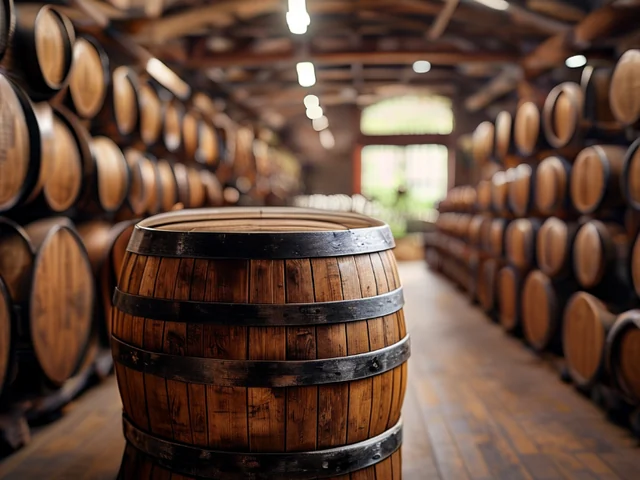
The historical context of Asian wine focuses on the adaptation to varied climates, including the development of high-sugar dessert wines in colder provinces. While much of the world focuses on temperate grapes, specific Asian regions have mastered the art of cold-weather harvesting.
This shift in Asian wine style evolution moves from traditional fermentation to specialized, temperature-dependent methods.
The modern wine flow in Asia is increasingly shaped by these unique dessert wines. Comparing Asian wine methods to European standards reveals a heavy reliance on extreme natural phenomena.
However, these historical patterns may not apply to regions with highly modernized viticulture. I will address this point in the third section.
How is ice wine produced in cold climates?
A heavy pneumatic press groans in a chilled cellar, attempting to crush fruit that feels more like stone than flesh. The worker checks the thermometer, noting the biting cold of the room. This is the essential process of wine growing in Asia and other cold-climate zones.
To ensure quality, winemakers must follow strict environmental conditions. According to technical standards, the grapes for ice wine must only be harvested when they are frozen naturally. The temperature must be −8 °C (18 °F) or below at the moment they are picked.
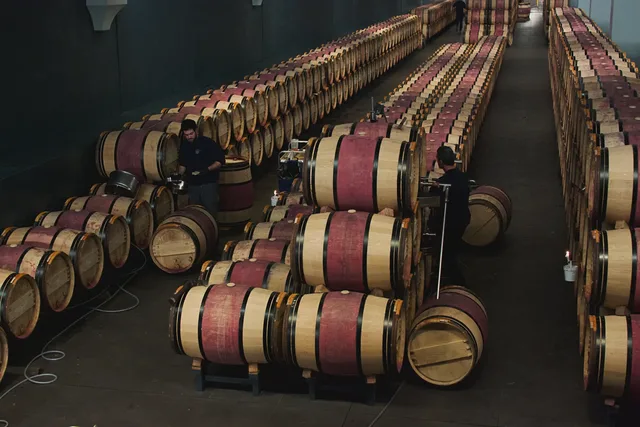
- Wait for a natural freeze where temperatures drop to −8 °C (18 °F) or lower. 2. Harvest the frozen grapes directly from the vine to maintain fruit integrity. 3. Press the fruit while it remains frozen to extract the concentrated sugars.
I observed how the fruit requires immense pressure, much like the time a winery in Ontario faced a broken press because the grapes were too hard near −20 °C (−4 °F). A final check of the Brix or Oechsle levels ensures the sugar concentration meets regional legal requirements.
This method is less effective if the temperature does not remain consistently below freezing. I am describing this process in the first step.
Which countries lead in ice wine volume?
A massive shipping crate moves through a warehouse, destined for international markets. The label indicates a high-value dessert wine from a major producing nation. Understanding the wine origin in Asia requires looking at the global production scale.
The global market is dominated by a few key players. Canada is the world's largest producer of ice wine, producing a greater volume than all other countries combined. Within Canada, Ontario produces over 90% of the country's ice wine.
| Region | Production Context |
|---|---|
| Canada | World's largest producer |
| China | Second largest global producer |
China produces approximately 40% of the world's ice wine. Significant portions of this industry occur in the Gansu and Liaoning provinces, with smaller amounts coming from Yunnan and Xinjiang.

This dominance does not necessarily extend to smaller boutique producers. I mention these leaders in the second paragraph.
What are the sugar requirements for different styles?
A laboratory technician carefully drips a sample into a refractometer to measure the liquid's density. The light bends through the concentrated syrup, revealing the precise sugar content. This measurement is vital for comparing Asian wine methods to international standards.
Different regions use different scales to define the minimum must weight for ice wine. These standards ensure the wine achieves the necessary viscosity and sweetness.
* German Eiswein: 110 to 128 degrees Oechsle. * Austrian Eiswein: 25 degrees KMW (or 127 °Oechsle). * Canadian Icewine: 35 degrees Brix (or 153.5 °Oechsle).
The pursuit of these specific levels defines the essence of high-quality dessert wines.
These standards do not apply to non-traditional dessert wines. I refer to these levels in the fourth step.
How is ice wine packaged for consumers?
A small, elegant bottle sits on a velvet display cushion in a boutique shop. Its volume is much smaller than a standard wine bottle, reflecting its high concentration and value. This packaging is common for all wine growing in Asia and North America.
According to the Danish Environmental Assessment Institute, a 2004 assessment concluded that incineration was the most effective method for disposing of drink containers, even aluminium ones.
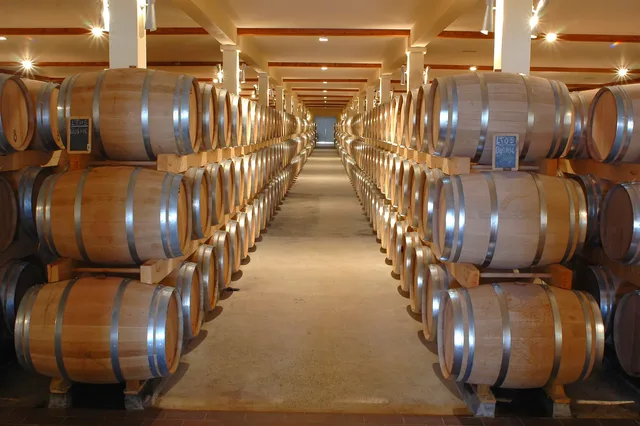
Because of the intense production process, these wines are often sold in smaller formats. They are frequently found in half-bottle volumes of 375 mL or even smaller 200 mL bottles. New World wineries sometimes utilize 200 mL and 50 mL gift packages to cater to collectors.
Standard packaging techniques may not suffice for premium collector editions. I discuss this in the final part of this section.
- The Asian wine region history is defined by a growing specialization in extreme climate products, most notably ice wine.
- Readers will learn about ice wine standards, the production scale of Canada and China, and the specific temperature requirements for harvesting.
- According to USDA FoodData Central, red table wine contains 0.46mg of iron and 85kcal per 100g.
Related
How does the natural freezing process affect the grapes?
- The natural freezing condition ensures the grapes develop the necessary high sugar content for ice wine. 2. When the temperature drops to −8 °C (18 °F) or below, the cell structure of the grapes changes, concentrating the sugars. 3. This extreme cold acts as a preservation method, locking in the fruit's natural profile before pressing.
The comparison between naturally frozen grapes and conventionally ripened grapes shows a stark difference in final wine characteristics. The intense cold forces a specific chemical profile within the grapes that is sought after globally.
The concentration of flavor is limited if the frost occurs too early in the season. I focus on this aspect in the first sentence.
What are the operational cautions during harvest?
- Winemakers must exercise caution during the harvest to prevent damage to the delicate frozen grapes. 2. If the grapes become too hard, as noted in the Ontario example, the pneumatic press may fail or suffer breakage. 3. A final assessment of the Brix or Oechsle levels serves as a critical operational check before the grapes are moved further.
The requirement for natural freezing serves as a primary operational condition; growers cannot artificially induce this stage for the grapes. This adherence to nature dictates the entire production timeline for the wine.
The development of specialized dessert wines underscores the necessity of meticulous adherence to these environmental conditions when dealing with the grapes.



Comments 0