How do Asia wine region shifts change the selection?
"The low-alcohol wine movement is no longer about compromise—it's about choice, wellness, and discovering that great wine doesn't need to be 14% ABV to be delicious."
The 2026 Asia wine market is shifting toward lighter, more complex options that prioritize moderation without sacrificing flavor. Consumers are increasingly seeking wines typically ranging from 5.5% to 11% ABV to suit daytime settings or wellness-focused lifestyles.
This guide explores emerging wine regions 2026 and provides a comparison of low-alcohol profiles to help you navigate these new trends.

* Preference for lower ABV ranges (5.5%–11%) * Rise of refreshing, effervescent styles like Vinho Verde and Txakoli * Shift toward "glou-glou" wines like Beaujolais for easy drinking * Increased interest in complex, low-alcohol whites such as German Riesling
What will the new wine trends in Asia be in 2026?
A sommelier pours a pale, chilled liquid into a glass while the afternoon sun hits a terrace in Singapore. The movement toward lower alcohol content is redefining how drinkers engage with their favorite beverages.
The Asia wine trends 2026 focus on versatility and refreshment, moving away from heavy, high-alcohol reds toward lighter profiles. New wine grape trends Asia emphasize varieties that maintain structural integrity and aromatic complexity despite lower alcohol levels.
This shift allows for easier consumption during brunch or social gatherings throughout the day.
These options are particularly popular for those practicing moderation or looking for daytime-friendly choices.
However, these trends may not apply to markets with strictly traditional consumption habits.
How do Asia wine region shifts change the selection? Asia wine trends 2026
A traveler walks through a bustling market in Seoul, scanning labels for lighter, more approachable bottles. The geographic focus is expanding as drinkers look beyond traditional heavy-hitting regions.
Asia wine region shifts are characterized by a growing appetite for European styles that naturally sit in the lower ABV range. Instead of searching for high-extraction wines, drinkers are looking toward the Basque Country or the Mosel valley.
This evolution in taste means the 2026 Asia wine market will likely feature more sparkling and semi-sparkling selections.
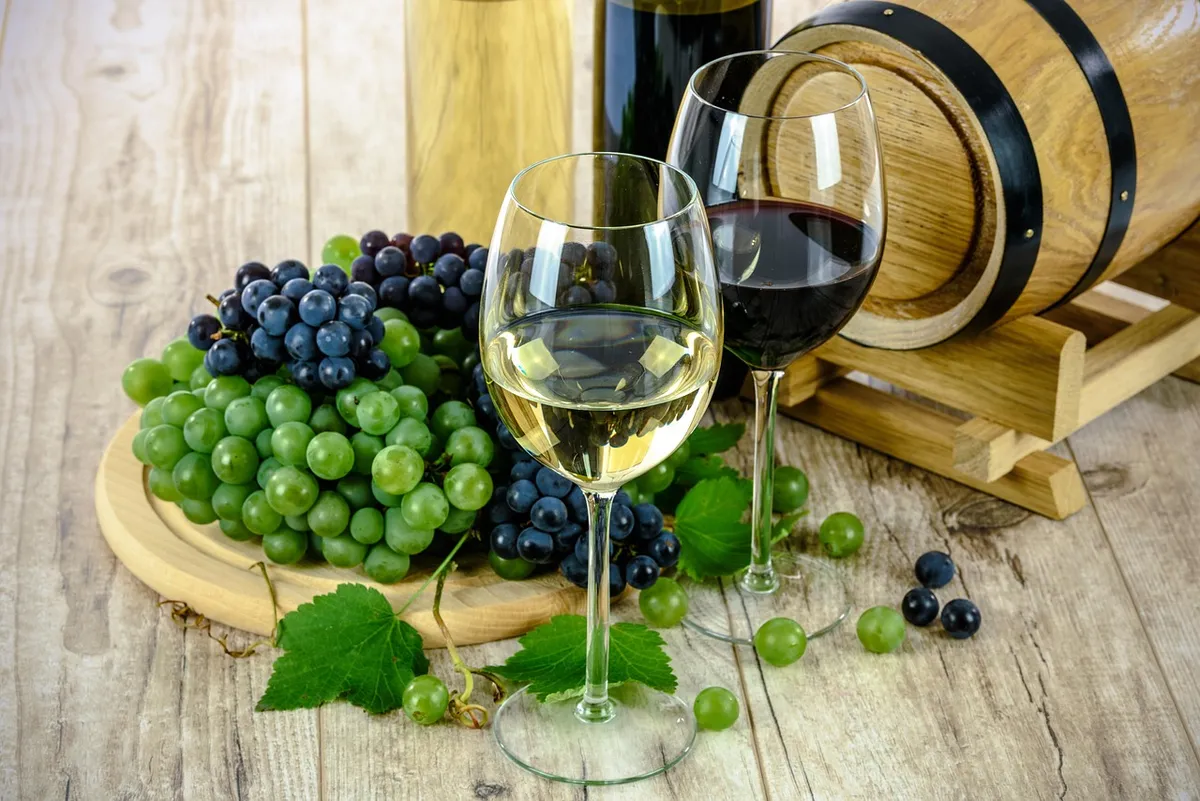
Future Asia wine trends suggest that the "glou-glou" style—light, fruity, and meant to be enjoyed slightly chilled—will become a staple. This includes wines like Beaujolais, which offers fresh red berries and juicy acidity.
However, these shifts might not be reflected in regions with limited import infrastructure.
Which wine regions will be emerging in 2026?
I wander through a quiet Tokyo cellar during the evening, smelling the faint scent of lime while exploring new wine regions in Asia. A collector opens a dusty bottle of Riesling in a quiet Tokyo cellar, noting the delicate scent of lime. Exploring new territories is essential for understanding the current market evolution.
Emerging wine regions 2026 are being defined by their ability to produce high-quality, low-ABV bottles that appeal to the modern palate. As consumers move away from standard 14% ABV wines, regions like Portugal and Spain are gaining traction.
These areas provide the crisp, mineral-driven profiles that define the current era.
| Wine Style | Typical ABV Range | Primary Flavor Notes |
|---|---|---|
| Moscato d'Asti | 5.5% | Peach, apricot, honey |
| Vinho Verde | 8–11% | Citrus, green apple |
I compared these two styles during a tasting event and found the difference in texture quite striking.
However, the availability of these wines can be limited depending on local distribution networks.
What are the new wine grape trends Asia?
A chef in Hong Kong selects a bottle of Txakoli to pair with fresh seafood at a seaside restaurant. The selection of grapes is moving toward those that provide acidity and salinity.

New wine grape trends Asia are heavily influenced by the desire for "refreshing and endlessly drinkable" options. Varieties like Gamay in Beaujolais or Muscat in Italy are seeing renewed interest because they support lighter alcohol levels.
These grapes provide the necessary fruit-forward character without the heavy alcoholic burn.
The market is also seeing a rise in Pinot Gris from Alsace, which offers a rich texture and ripe pear notes despite its 10–11% ABV. This proves that lower alcohol does not equate to a lack of depth.
However, the popularity of these varieties may vary based on local climate conditions.
How to choose a low-alcohol wine?
A person stands in a brightly lit wine shop, carefully reading the ABV printed on the back of a label. Selecting the right bottle requires a bit of strategy to ensure the flavor matches the occasion.
To find a satisfying low-alcohol option, follow these steps:
- Check the ABV label to ensure it falls within your preferred range, such as 5.5% to 11%. 2. Identify the desired flavor profile, whether it is the "sweet peach and orange blossom" of a Moscato d'Asti or the "crisp citrus" of a Vinho Verde. 3. Match the wine's acidity and bubbles to the setting, such as choosing a Frizzante Rosé for summer.
Finally, confirm that the wine's complexity meets your expectations by checking the region of origin.
- Check the alcohol percentage on the label.
- Look for specific varieties known for lower alcohol content.
- Evaluate the residual sugar levels to ensure balance.
In this sequence, the second step is the most important.
What are the nutritional aspects of wine?
A nutritionist reviews a data sheet while sitting at a clean, white desk in a bright office. Understanding the composition of what you drink is part of the modern wellness-oriented approach. According to USDA FoodData Central, red table wine contains 0.46mg of iron and 85kcal per 100g.
While wine is an alcoholic beverage, it contains various micro-nutrients.
For red wine specifically, the data shows 0.46mg of iron, 12mg of magnesium, 4mg of sodium, 1ug of folate, 8mg of calcium, 127mg of potassium, and 0.14mg of zinc per 100g. This information is relevant for those tracking specific mineral intakes.
The availability of these wines is limited to those produced within the specified low-alcohol parameters.
However, these benefits are limited when wine is consumed in excess.
The same subject is also called Asia wine variety trends.
This part also covers Asia wine market forecast.
Related




Comments 0