Fruit drink wine pairing guide: Best tips for flavor balance
"The art of pairing is not about finding a perfect match, but about creating a conversation between flavors."
Finding the right fruit drink wine pairing involves balancing acidity, sweetness, and temperature to ensure neither the beverage nor the wine overwhelms the palate.
This guide is for enthusiasts looking to harmonize fruit-based flavors with viticulture, focusing on structural compatibility and serving conditions.
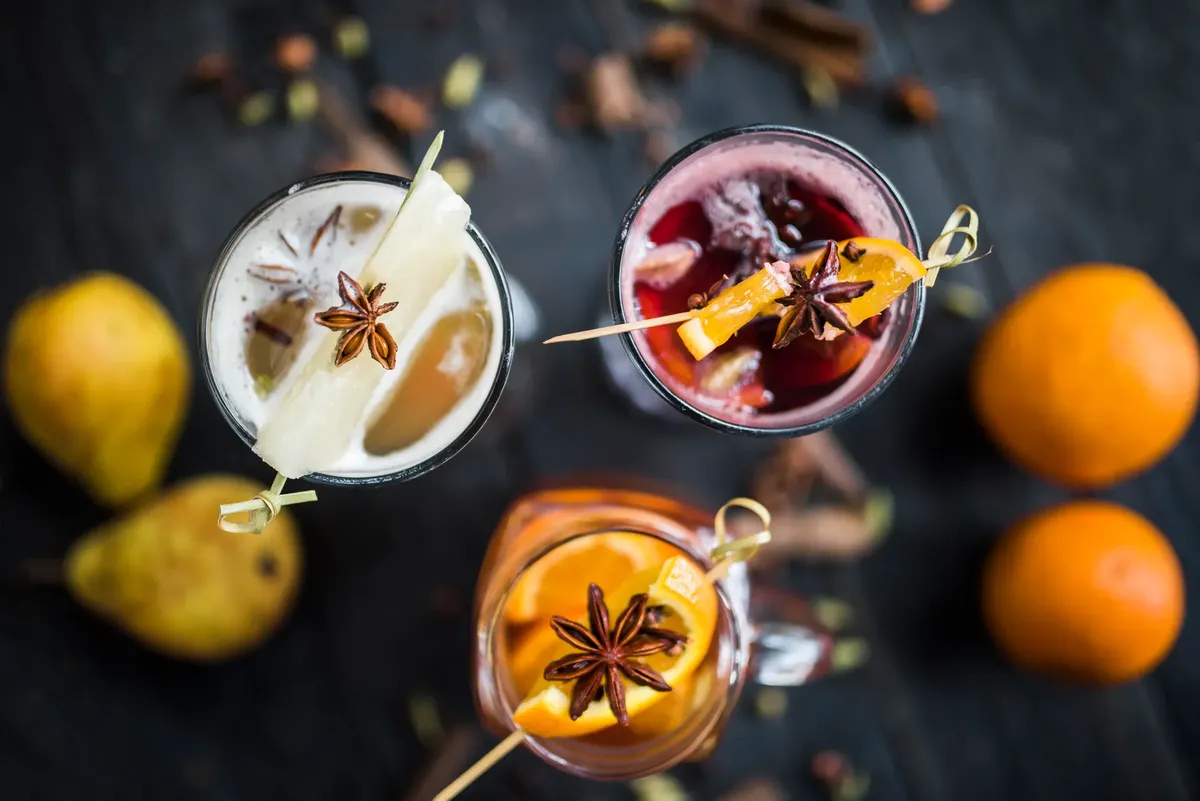
You should avoid heating wine excessively to prevent the loss of alcohol, and note that pairing success depends heavily on the specific sugar and acid profiles of the drinks used. 1. Balance sweetness levels between fruit juices and wine. 2. Maintain proper serving temperatures to preserve carbonation and alcohol. 3. Consider the nutritional profile of red versus white options. * Use standard bottle volumes for consistent pouring.
How can I find the best fruit drink wine match?
A chilled glass of sparkling cider sits on a wooden table as the sun begins to set. You pour a small amount of fruit juice into a wide bowl to observe the color and viscosity before selecting a wine.
To find the best fruit drink wine match, you must align the intensity of the fruit's sugar with the wine's residual sugar.
A light, acidic fruit juice pairs well with high-acid white wines to create a refreshing sensation. Conversely, heavy, syrupy fruit nectars require wines with enough body to stand up to the thickness.
If the fruit juice is too dominant, it may mask the subtle tasting notes for fruit wine that characterize high-quality vintages.
Why does wine pairing with juice require temperature control?
At sunset, you press your palm against a frost-covered bottle to ensure the fruit juice remains ice-cold.
A condensation-covered bottle rests in a bucket of ice, the droplets sliding down the glass surface in the cool evening air. You check the thermometer to ensure the liquid stays within the ideal range for its specific type.
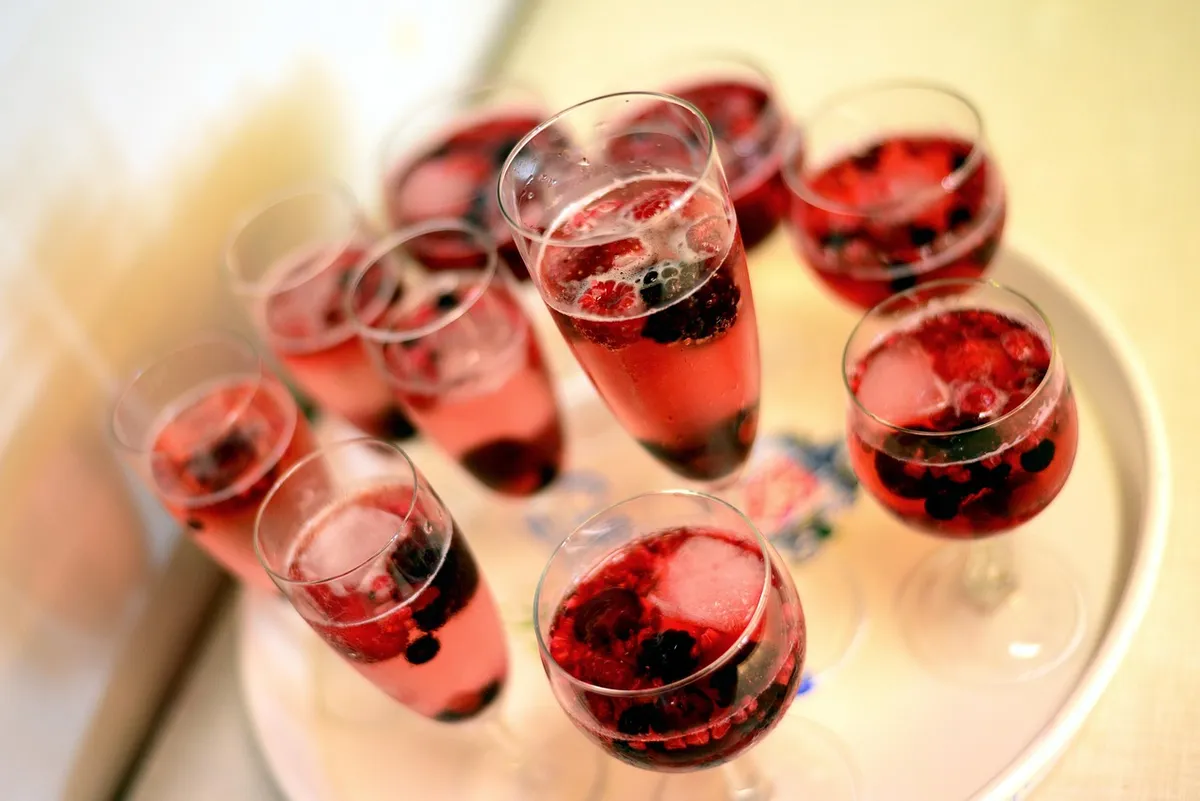
When considering wine pairing with juice, temperature is a critical structural element.
According to technical data, alcohol begins to evaporate noticeably over 20 °C (68 °F). Furthermore, the carbon dioxide in sparkling wines is released too quickly at temperatures of about 18 °C (64 °F).
Maintaining these lower temperatures ensures that the effervescence and the alcohol profile remain stable during the tasting experience.
What are the different fruit beverage wine combo options?
In the dim kitchen, you lift a heavy glass to feel the velvet texture of the fruit blend.
A tray of various glassware is laid out, ranging from small tasting glasses to larger vessels. You select a glass, noting how the shape affects the aroma of the fruit and wine mixture.
Exploring a fruit beverage wine combo often involves comparing different base liquids and their chemical compositions.
When mixing, the sugar and acid balance is paramount. If you heat a mixture past 78 °C (172 °F), the ethanol evaporates, causing the acidity and sugars to become much more prominent. This change can drastically alter the intended flavor profile of your combination.
How to pair wine and juice effectively?
A person carefully measures a pour from a standard bottle into a small glass, watching the liquid settle. The process of learning how to pair wine and juice requires a systematic approach to testing flavor density.
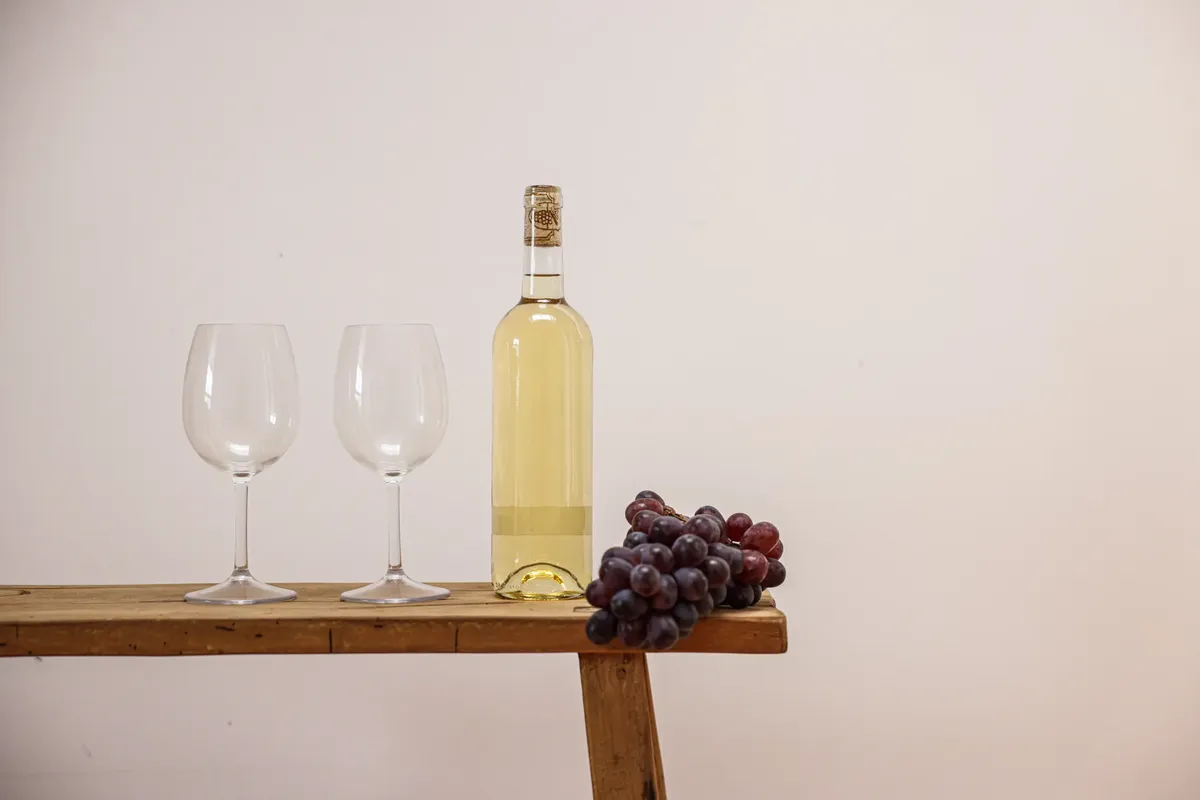
- Identify the primary acid level of your fruit juice. 2. Select a wine with a complementary or contrasting sugar content. 3. Verify the serving temperature is below 20 °C (68 °F) to prevent rapid evaporation. 4. Perform a final taste check to ensure the fruit does not drown out the wine.
I found that testing these steps with a simple apple juice and a dry Riesling helped clarify the importance of acidity.
- Assess the acidity levels of both liquids. 2. Match the sweetness of the juice to the sugar content of the wine. 3. Test a small sample to ensure the flavors complement rather than overpower each other.
What are the nutritional differences in red wine?
A dark liquid swirls in a glass, catching the light of a nearby lamp. You observe the deep hues of the red wine as you consider its composition. Understanding the components of what you drink is part of the overall pairing experience.
According to USDA FoodData Central, red wine contains different nutrient levels per 100g compared to general table wine. Specifically, red wine provides 0.46mg of iron and 127mg of potassium, while all table wines provide 0.37mg of iron and 99mg of potassium.
This data helps in understanding the caloric and mineral density of the beverage.
| Component (per 100g) | All Table Wine | Red Wine |
|---|---|---|
| Iron | 0.37mg | 0.46mg |
| Potassium | 99mg | 127mg |
What are the storage limitations for these pairings?
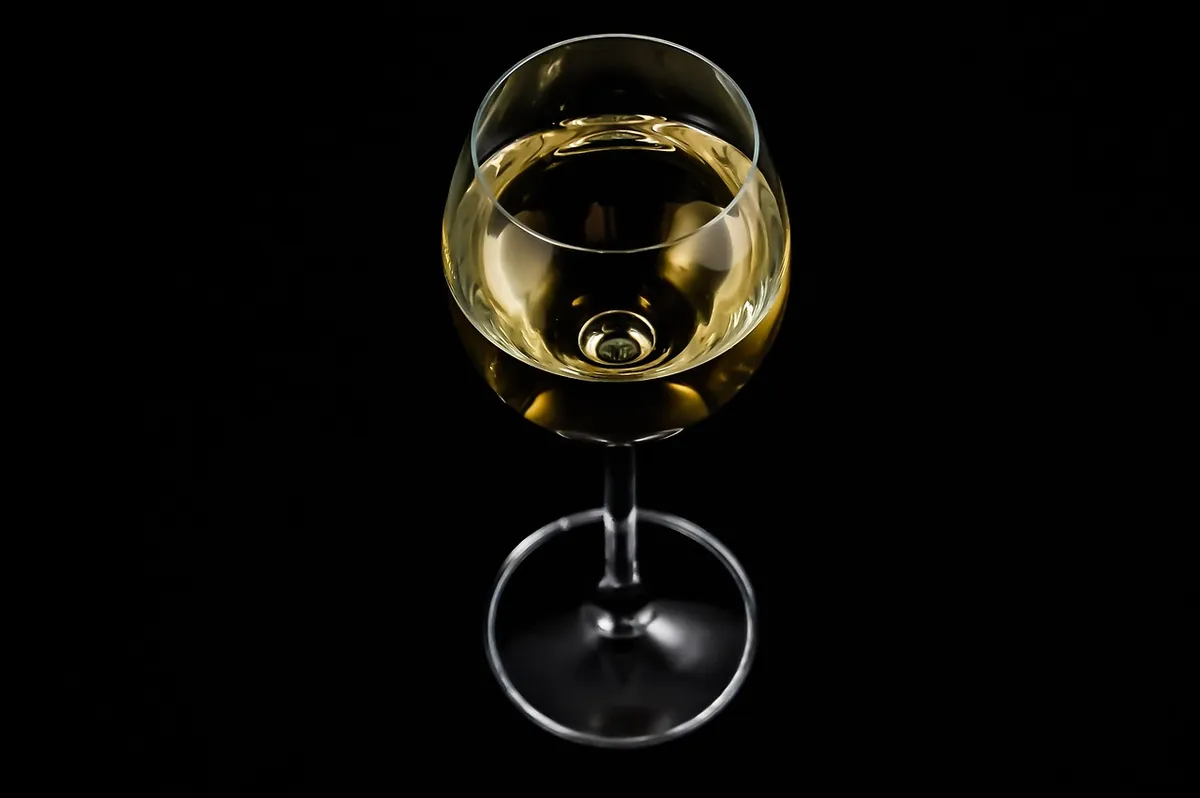
A cellar door stays closed to maintain a steady, cool environment. You feel the dampness in the air, knowing that stability is key to preserving any liquid. According to the FDA, lead foils on domestic and imported wine bottles were officially banned in the US as of 1996.
One limitation is that these pairing principles may not apply to beverages stored at high temperatures, as heat significantly alters the ethanol and sugar balance.
Fruit drink wine pairing guide
The subject here is Fruit drink wine pairing guide.
This part also covers Alcohol content and pairing.
This part also covers Storing fruit wine combinations.
Tasting notes for fruit wine
Related
- Tannins expert wine pairing guide how to enhance meal
- Efficient wine tasting guide: How to manage wine temperature
What structural considerations influence finding the pairing?
- The body of the wine must match the density of the fruit nectar. 2. The acidity of the juice dictates the required structure of the wine. 3. Serving conditions must be controlled to preserve the intended flavor profile during pairing.
The comparison between juice and wine involves assessing their inherent structural properties. For instance, a thin, watery fruit juice demands a wine with sufficient backbone to avoid being overwhelmed. Conversely, a thick, viscous fruit blend necessitates a wine possessing comparable weight.
This structural compatibility is essential when finding the right pairing, as the interaction between the two liquids determines the final sensory experience. The overall goal of pairing is to achieve a harmonious conversation between the components.
How does the nutritional profile affect pairing choices?
The nutritional profile of the beverage influences the overall balance when finding the pairing. Red wine, for example, presents a different mineral density than all table wines. This difference in composition warrants consideration when pairing with fruit drinks.
The iron and potassium content detailed in the USDA data provides a reference point for the beverage's makeup. This information assists in understanding the caloric density, which can affect how the palate perceives the sweetness and acidity during the pairing process.
Therefore, when selecting a wine, one should compare the nutritional aspects alongside the sugar and acid profiles to optimize the pairing.





Comments 0