Wine pairing freshness guide: Manage heat below 35 °C
"The yeasts produce heat which cannot escape and beyond 35 °C the micro-organisms begin to suffer and fermentation slows then stops."
To maintain freshness in wine pairing, precise temperature control during fermentation and service is the most critical factor for preserving aromatic quality. You must manage thermal stability to prevent yeast distress and ensure the delicate esters that define flavor are properly synthesized.
This guide covers temperature thresholds, the impact of vessel size on heat, and the nutritional composition of different wine types. 1. Maintain fermentation below 35 °C to prevent microbial damage. 2. Target 18 °C for optimal aromatic component synthesis. 3. Monitor vessel size to manage heat escape during production.
How does temperature affect the wine pairing freshness guide?
At dawn in the cellar, I press my palm against the cold steel to feel the chill required for the wine.
A thermometer rests on a stainless steel tank as the liquid swirls inside.
Maintaining the right thermal environment is essential because the majority of aromatic components, specifically acetates of alcohol and ethyl esters of fatty acids, are synthesized by the yeast during fermentation of light juice below 18 °C.
Temperature management is a cornerstone of the wine pairing freshness guide. If the environment becomes too warm, the chemical structure of the aroma changes. According to technical observations, the control of temperature, which typically is around 18 °C, becomes necessary for large volume tanks.
This stability ensures that the final product retains the intended profile for food matching.
What are the risks of using large containers?
A technician wipes condensation from the side of a massive fermentation vat in a cool cellar. Using larger containers creates specific problems during fermentation because the yeasts produce heat which cannot escape.
If the temperature rises beyond 35 °C, the micro-organisms begin to suffer, causing fermentation to slow or stop entirely.
This thermal trap is a primary concern for producers. Optimal wine temperature control must account for the physical properties of the vessel. When heat is trapped, the biological process fails, ruining the freshness of the batch.
Managing these thermal spikes is vital for ensuring the wine reaches the table in peak condition.
How can I manage the time factors in wine pairing?
At midnight, I watch the swirling liquid in the dark room and sense the changing aroma of the wine.
A winemaker checks a timer while observing the color of the grape juice during maceration. The duration of certain processes, typically 5 to 18 hours at 18 °C (64 °F), depends on the variety, the temperature of maceration, the maturity of the grape, and the quality of the soil.
Understanding time factors in wine pairing requires acknowledging that every grape variety reacts differently to thermal exposure. I have observed how even small shifts in the maceration window can alter the final body of the wine.
This timing is not universal but is dictated by the specific biological and environmental variables of the vineyard.
How can I reach peak wine flavor?
Sunlight hits a cluster of grapes in a high-temperature zone, highlighting their taut skins. In Spain, Castile-La Mancha accounts for 50% of the Spanish vineyards, producing mostly white wine on a very large production area in a high temperature zone.
Finding the conditions for peak wine flavor involves balancing the natural heat of the growing region with controlled processing. While some regions are naturally warmer, the technical handling of the harvest must be precise.
Maintaining wine aroma quality requires a transition from the heat of the field to the controlled cool of the cellar.
Can I use advanced wine tasting techniques to check quality?
A glass is swirled gently in a dimly lit tasting room, releasing a faint scent of fruit. Expert analysis of wine flow and the ability to detect subtle esters can reveal if the fermentation was handled correctly.
One looks for the presence of those key acetates and ethyl esters that only form under specific thermal conditions.
Applying advanced wine tasting techniques allows a consumer to sense if a wine has suffered from thermal stress. If the fermentation exceeded the safe threshold, the aromatic complexity will be noticeably diminished.
Checking the balance of these components helps determine if the wine will pair effectively with a specific dish.
Comparing nutritional profiles of wine types
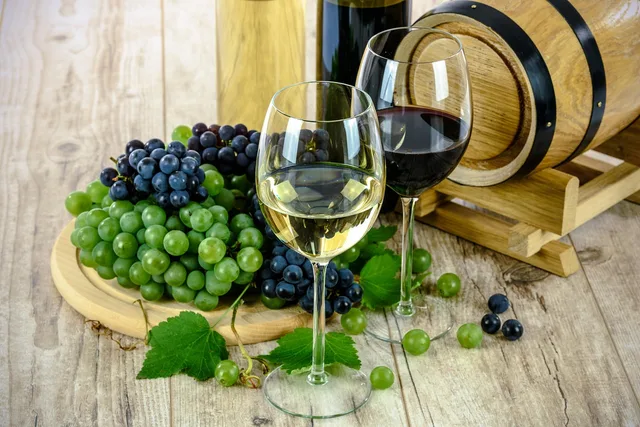
A person pours a glass of red wine into a crystal goblet, watching the deep crimson liquid coat the sides. Understanding the composition of what you drink can be part of a mindful pairing experience.
According to USDA FoodData Central, red table wine contains 0.46mg of iron and 127mg of potassium per 100g.
| Component (per 100g) | All Wine | Red Wine |
|---|---|---|
| Carbohydrates | 2.72g | 2.61g |
| Potassium | 99mg | 127mg |
Red wine specifically contains 85kcal and 2.61g of carbohydrates per 100g. I compared these values to see how the density of minerals like potassium shifts between varieties.
The same subject is also called Freshness in food wine match.
Related
- Gold wine 24% sugar guide Why is gold wine best?
- Fruit drink wine pairing guide: Best tips for flavor balance
What procedural steps must be taken to mitigate heat accumulation?
- Monitor the temperature consistently throughout the entire fermentation cycle. 2. Adjust the fermentation schedule based on the observed thermal accumulation rate. 3. Ensure that the vessel design allows for some degree of heat dissipation, even if imperfect.
The yeasts produce heat which cannot escape in a sealed system, necessitating active monitoring. Producers must compare the heat output against the vessel's capacity to manage thermal load.
If the temperature approaches the critical threshold, intervention becomes necessary to prevent yeast distress.
How does the nutritional comparison inform pairing decisions?
The difference in mineral content, such as potassium, between red and all wine suggests varied interactions with food. When considering the nutritional profiles, the slight variation in carbohydrate content must be weighed against the desired mouthfeel.
A mindful pairing experience incorporates this compositional knowledge.
The comparison highlights that while all table wines share a base caloric value, the specific mineral distribution changes between wine types.
This shift in density, particularly for potassium, implies different chemical characteristics that influence how the wine interacts with the compounds found in food.
The technical handling of the harvest must account for the raw material's inherent composition before fermentation even begins. Therefore, the initial grape quality dictates the potential range of the final nutritional and aromatic output. This initial assessment is a key part of the entire process.





Comments 0