What are the standard bottle sizes for wine?
"To understand wine is to understand the relationship between the vine, the soil, and the careful hand of the maker."
Learning to navigate a wine list can feel overwhelming for a newcomer, but mastering the basics of grape varieties and bottle sizes makes the experience much more approachable. This guide covers essential variety knowledge, standard bottle volumes, and how temperature affects your glass.
Key takeaways: 1. Understand standard bottle sizes and how they differ. * Learn how temperature influences flavor and carbonation. * Recognize different styles, such as orange wine, based on production methods.
What are the standard bottle sizes for wine?
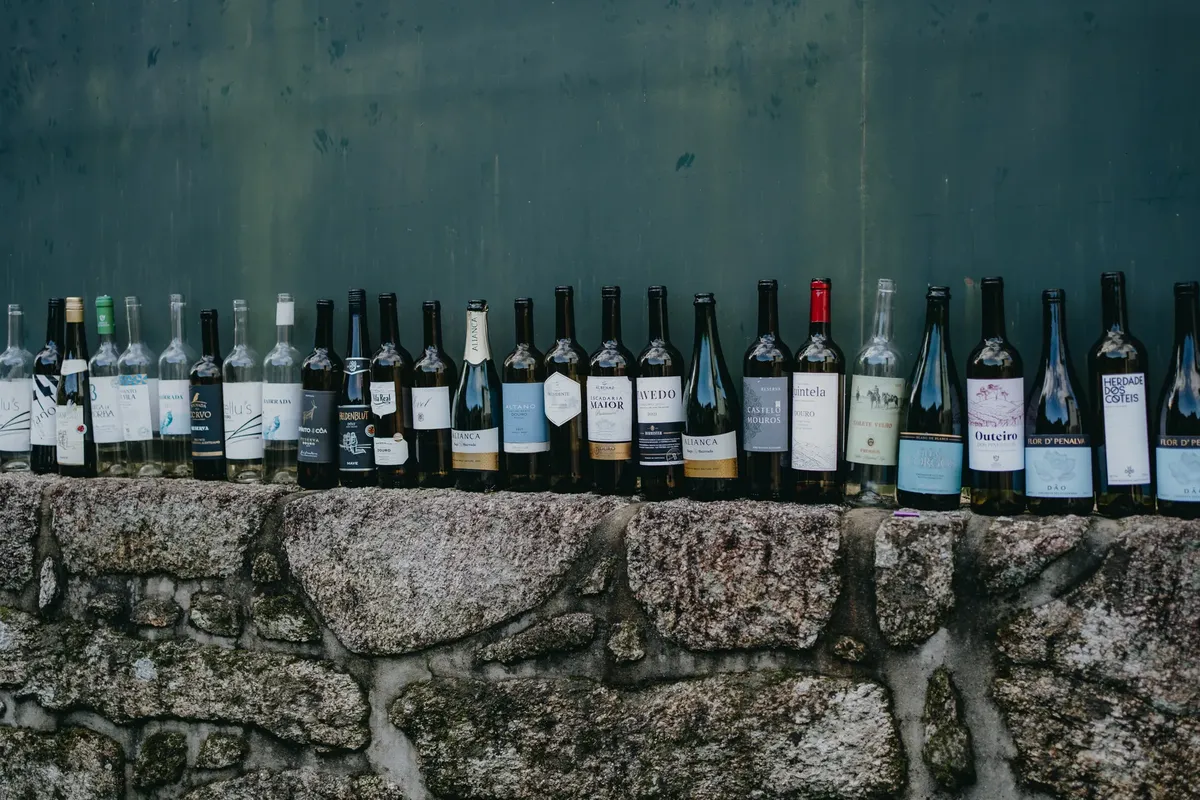
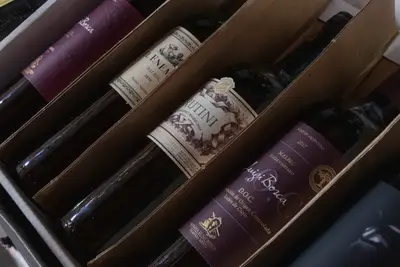
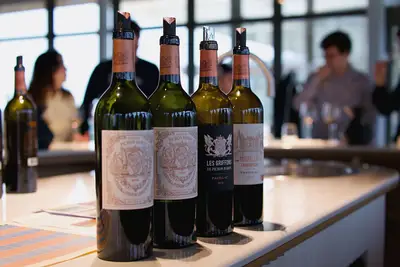
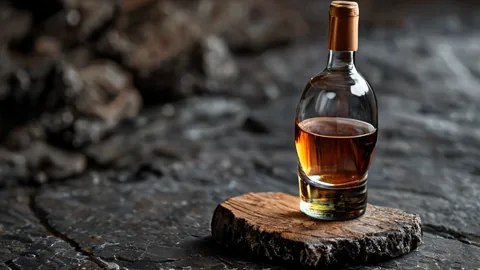
A hand reaches for a heavy glass bottle on a wooden table, checking the label for the volume. While the standard volume of a wine bottle is 75cl, they can range from 18.7cl to 18 liters.
Understanding these variations helps when shopping for a single meal or a large gathering. A smaller bottle might suit a quiet evening, while larger formats are designed for sharing.
Identifying the volume on the label ensures you know exactly how much you are purchasing before you reach the checkout.
How does temperature affect the wine in my glass? Wine grape guide for beginners
A waiter places a chilled bottle on a coaster, noting the ambient temperature of the room. If the room is warm, the wine's characteristics may shift unexpectedly.
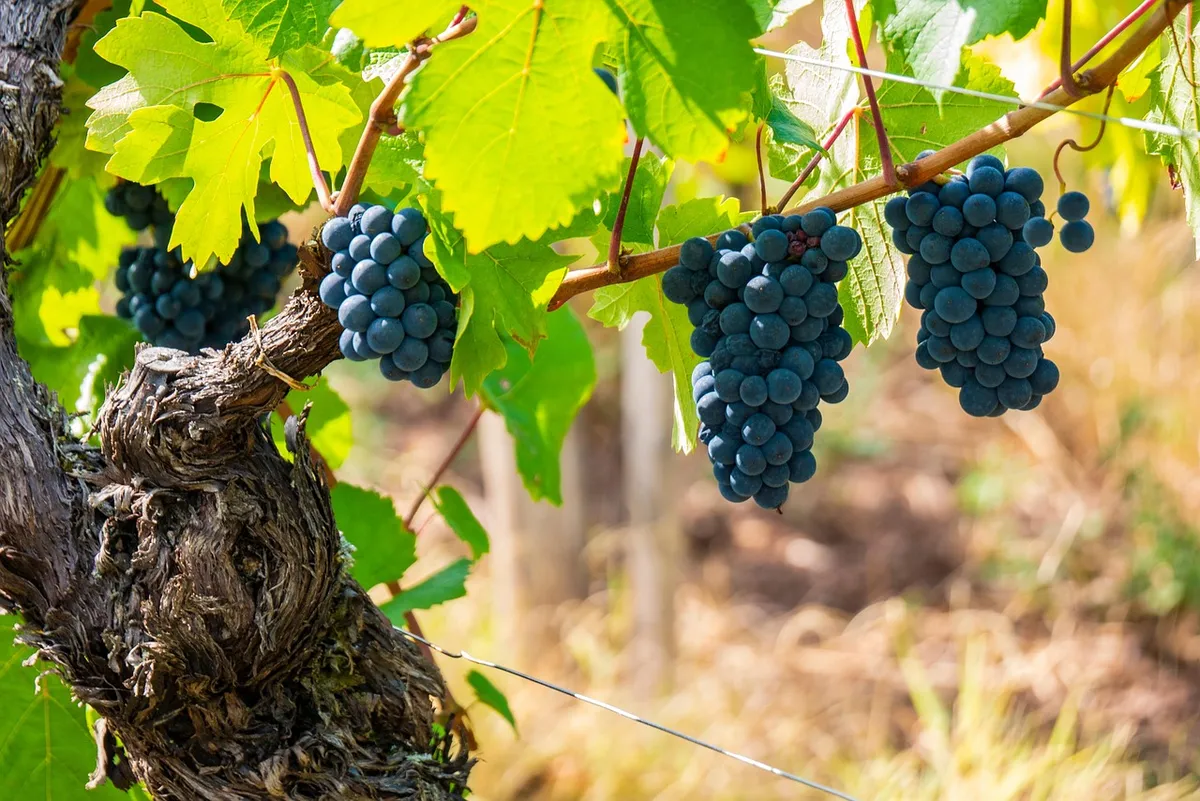
Alcohol begins to evaporate noticeably over 20 °C (68 °F), which can alter the balance of the drink. Additionally, the carbon dioxide in sparkling wines is released too quickly at temperatures of about 18 °C (64 °F). Maintaining the right temperature preserves the intended profile of the grape.
What defines an orange wine?
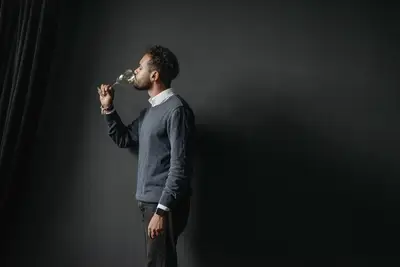
A sommelier pours a deep amber liquid into a clear tulip glass, revealing a unique hue. The color is a result of specific traditional techniques.
According to the International Organisation of Vine and Wine, orange/amber wine is described as "White wine with maceration." The organization prescribes the minimum duration of the maceration phase to be 1 month.
This process allows the skins to influence the color and texture of the white grape juice.
How do grape growing regions work?
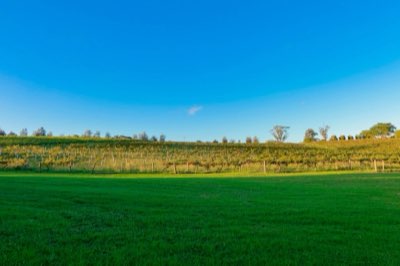
A farmer inspects a vine leaf under the bright sun of a wide vineyard. The location of the vineyard dictates the potential quality of the fruit.
Wine grapes grow mainly between 30 and 50 degrees latitude north and south of the equator. Although the effects of climate change and advances in viticulture are increasing the area under vine elsewhere, these latitudes remain the primary zones for production.
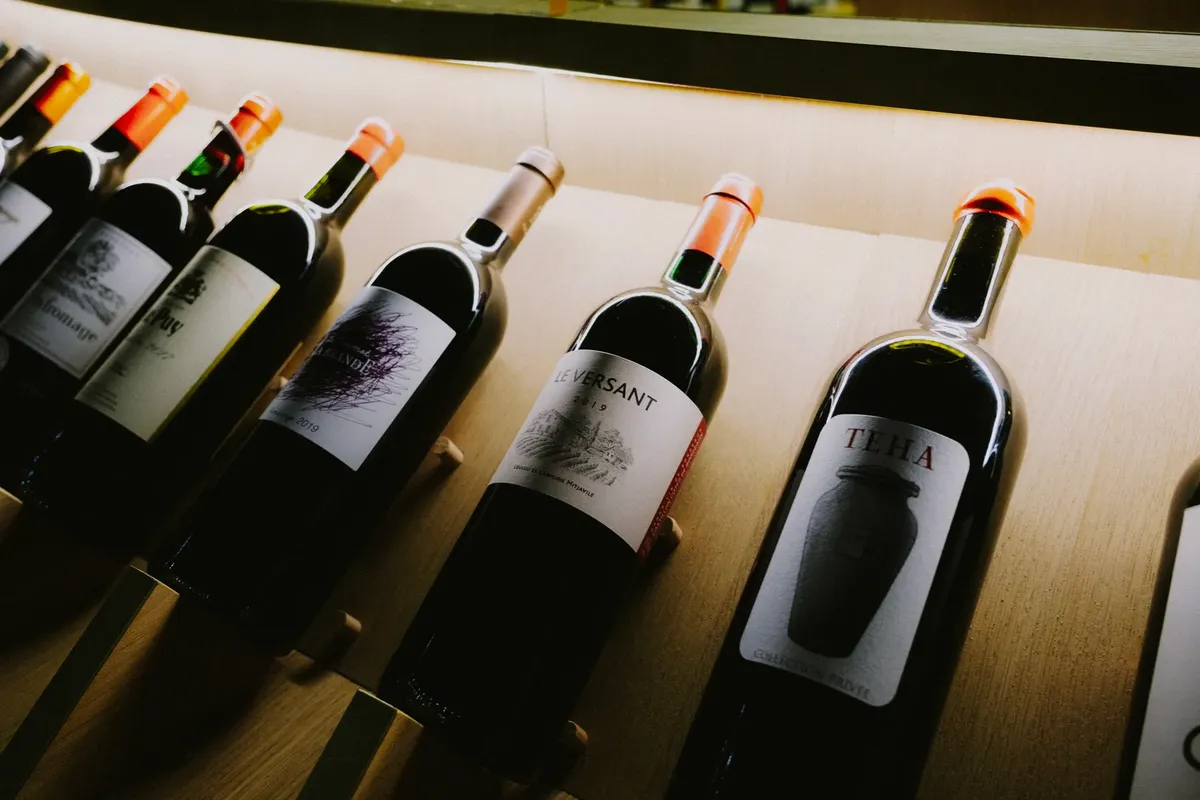
The climate within these zones shapes the acidity and sugar levels of the grapes.
What happens when wine gets too hot?
A glass sits near a sunny window, and the liquid inside begins to lose its sharp edge. Heat changes the chemical composition of the beverage.
Ethanol evaporates at 78 °C (172 °F), so when wine is heated past this point, it likely loses much of its alcohol content. This shift causes its acidity and sugars to become more prominent. Managing heat is essential for preserving the delicate balance of the wine.
Comparison of Wine Nutrition
| Component | All Table Wine (per 100g) | Red Table Wine (per 100g) |
|---|---|---|
| Calories | 83 kcal | 85 kcal |
| Potassium | 99 mg | 127 mg |
I noticed that even small differences in red wine's potassium content can be quite significant when looking at the label. According to USDA FoodData Central, red table wine contains 0.46mg of iron and 85kcal per 100g.
- What are the standard bottle sizes for wine?
- How does temperature affect the wine in my glass?
- What defines an orange wine?
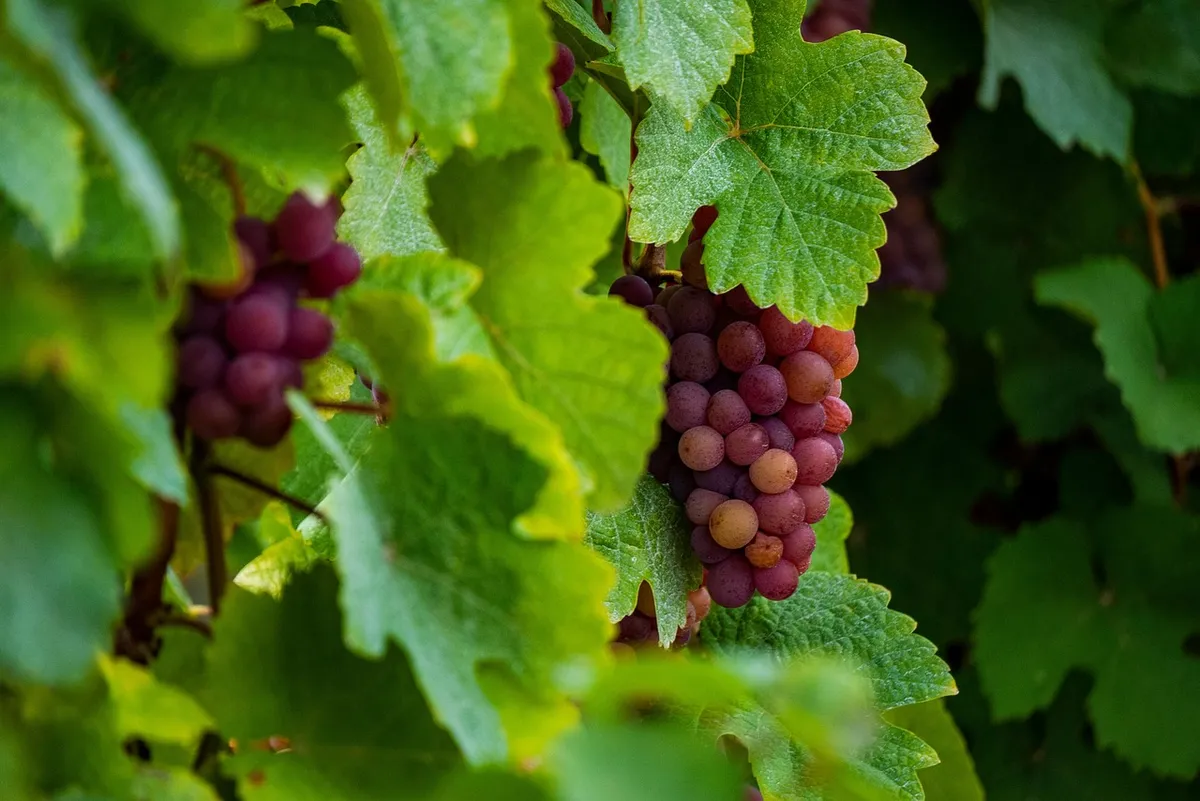
The subject here is Wine grape guide for beginners.
The same subject is also called Beginner wine variety guide.
The same subject is also called Easy wine selection tips.
The same subject is also called Best budget wine grapes.
The same subject is also called Wine tasting for new drinkers.
This part also covers Choosing wine by grape type.
This part also covers Affordable wine for family.
This part also covers Wine gift ideas by grape.
Choosing wine by grape type
Related
- Wine varietal tasting guide: Expert wine tasting notes
- Wine selection expert guide: Focus on flavor profile
Which factors influence the flavor of the wine?
Flavor profiles change depending on the temperature and the specific production methods used. If the room temperature is warm, the alcohol may evaporate, which alters the balance of the drink.
- Check the label to understand the volume of the bottle. 2. Monitor the temperature to prevent the release of carbon dioxide in sparkling wines. 3. Note the maceration period to understand the color and texture of orange wine.
When the temperature rises above 20 °C (68 °F), the alcohol begins to evaporate. This condition can change the characteristics of the liquid. If the temperature reaches 78 °C (172 °F), the ethanol evaporates, causing the acidity and sugars to become more prominent.
Comparing red and white table wine shows that red wine contains 127 mg of potassium per 100g, while white wine contains 99 mg per 100g. This difference in potassium is a key detail to notice when you look at the label.
If you are selecting a bottle for a gathering, you might choose a larger format than the standard 75cl. If you are choosing for a quiet evening, a smaller bottle might be more appropriate. Always check the volume on the label to understand exactly how much you are purchasing.
Comments 0