French wine label guide: Understand AOC and IGP regulations
"The label is a map of history, geography, and law, condensed into a single piece of paper."
Understanding a French wine label requires identifying the classification level, the region, and the grape composition. This guide helps you navigate different quality tiers, recognize regional designations, and interpret varietal percentages to make informed selections.
Key takeaways include distinguishing between AOC and IGP regulations, identifying regional origins, and understanding how much of a specific grape is actually in the bottle.
How can you navigate a French wine label guide?
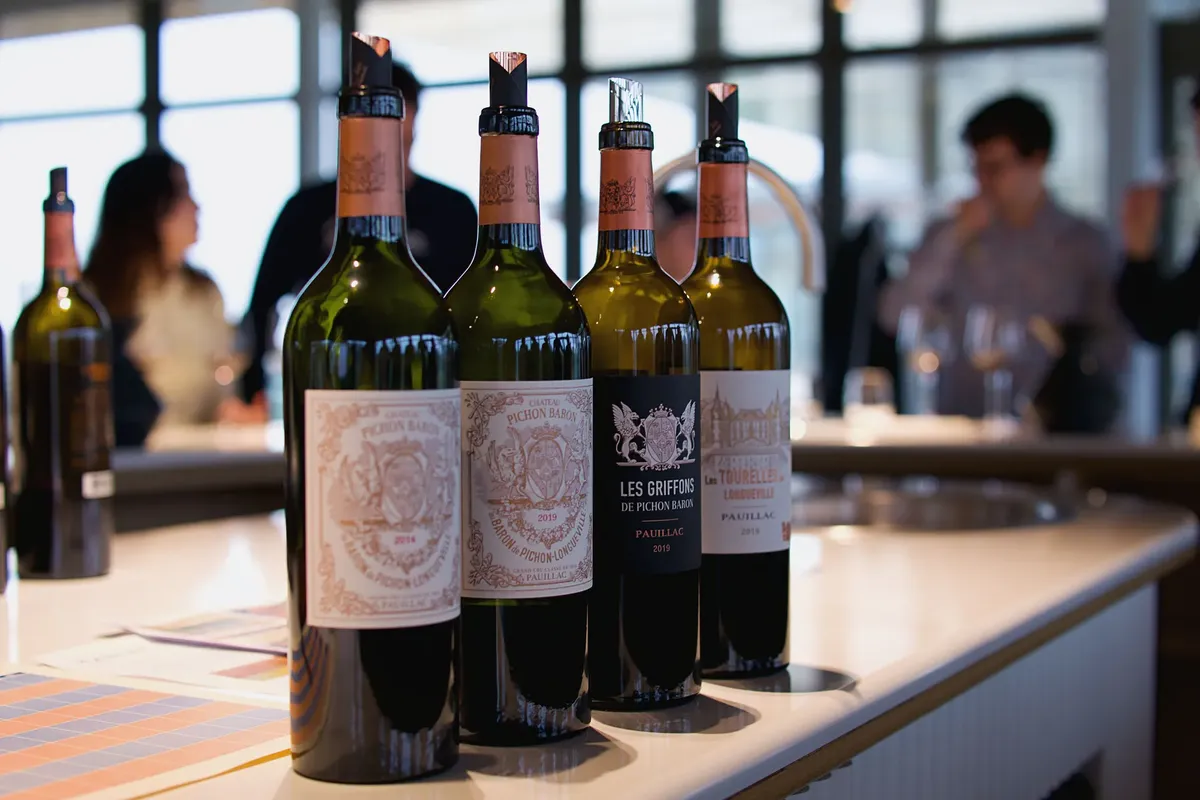
A hand reaches for a bottle in a dimly lit cellar, tracing the embossed letters of a vintage label. To master a French wine label guide, you must first recognize the hierarchy of quality established by French law.
The primary classification system dictates the level of regulation and quality control applied to the wine. For the 2005 vintage, the total French production was 43.9 million hl, and the distribution of these categories shows a clear hierarchy in quality and regulation.
The distribution of these categories is as follows:
| Classification Type | Production Share (2005 Vintage) |
|---|---|
| Appellation d'origine contrôlée (AOC) | 53.4% |
| Vin de Pays | 33.9% |
The AOC category represents wine from a particular area with many restrictions, including grape varieties and winemaking methods. In contrast, Vin de Pays carries a specific region within France and is subject to less restrictive regulations than AOC wines.
Understanding these tiers is the first step in decoding the bottle.
- Identify the appellation to determine the wine's origin and quality standards.
- Look for the vintage year to understand the harvest conditions.
- Check the alcohol percentage and volume to gauge the body of the wine.
Can you read wine labels easy?
Under the bright lights of the market, I squint at the small print on a french label while the scent of ripe fruit fills the air.
A shopper stands in a crowded market, squinting at the fine print on a bottle of white wine. To read wine labels easy, you must look for the specific designation that tells you the wine's origin and strictness of production.
The designations indicate the level of oversight from the Institut National des Appellations d'Origine (INAO), which regulates recognized wine-producing areas.
For instance, the VDQS (Vin délimité de qualité supérieure) accounted for 0.9% of the 2005 vintage and was used for smaller areas or as a "waiting room" for potential AOCs.
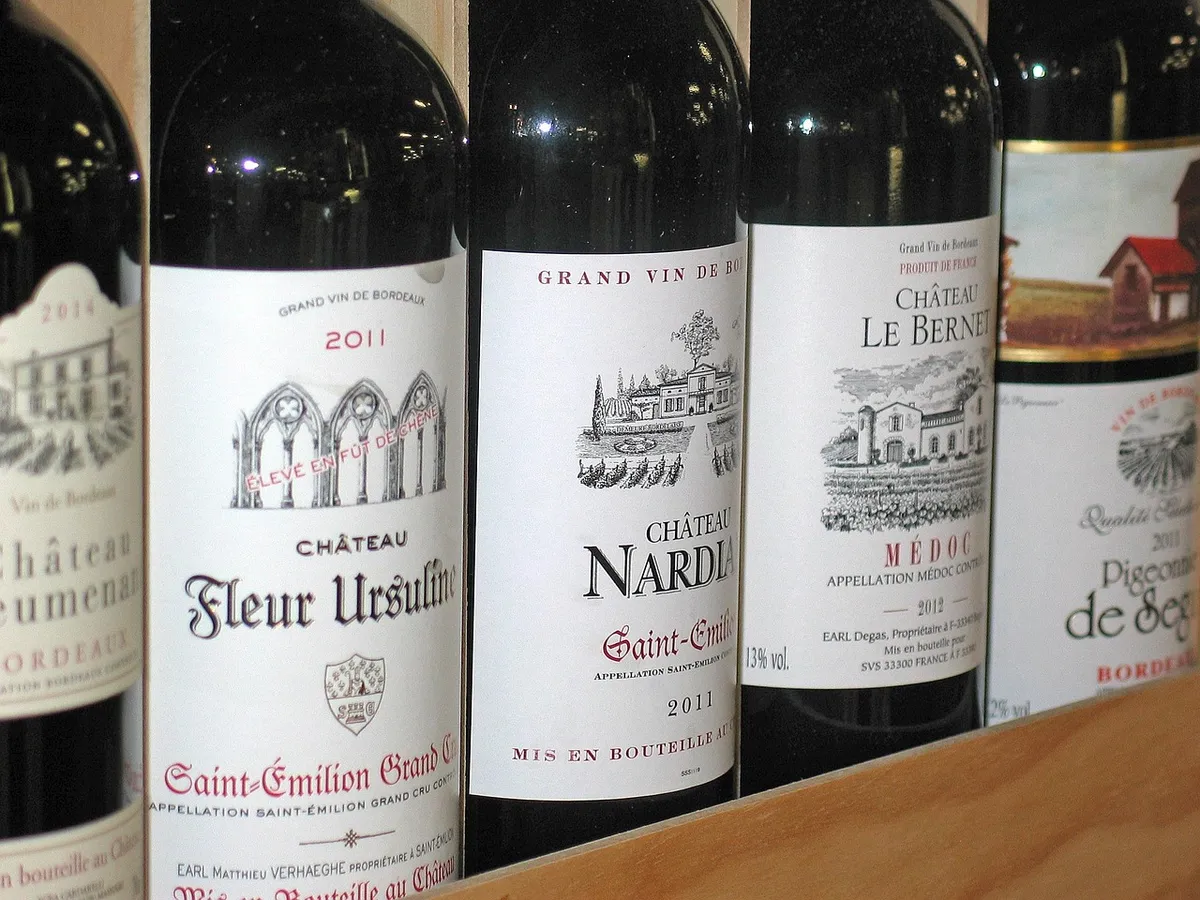
Table wine (Vin de Table) made up 11.7% of the 2005 production and carries only the producer and the designation that it is from France. If you encounter these lower tiers, you are looking at wines with fewer regional restrictions.
While labels can seem complex at first, focusing on the producer and the region makes the process much simpler.
How do you understand wine labels regarding grape varieties?
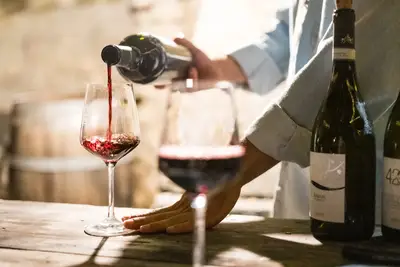
A sommelier pours a glass, noting the clarity of the liquid while discussing the grape content with a guest. To understand wine labels, you must look for how varietal names are presented alongside regional designations.
When varietal names are displayed, common EU rules apply to ensure transparency. If a single varietal name is used, the wine must be made from a minimum of 85% of this variety. This rule ensures that when you see a specific grape name, it represents the primary character of the wine.
In the 2005 vintage, the composition of the total production showed that 28.3% was white and 71.7% was red or rosé. Interestingly, the proportion of white wine is slightly higher for the higher categories, with 34.3% of the AOC wine being white.
This suggests that higher-tier labels often feature specific white varieties.
In many regions, the label highlights the primary grape used, which serves as a direct indicator of the wine's flavor profile.
What is the new wine label info for regional differences?
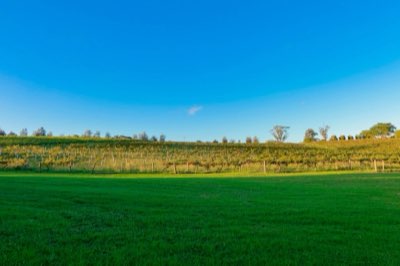
A traveler walks through a sun-drenched vineyard in Lorraine, noting the diverse labels in the local shop. Identifying new wine label info requires looking at how specific regions manage their own production levels.
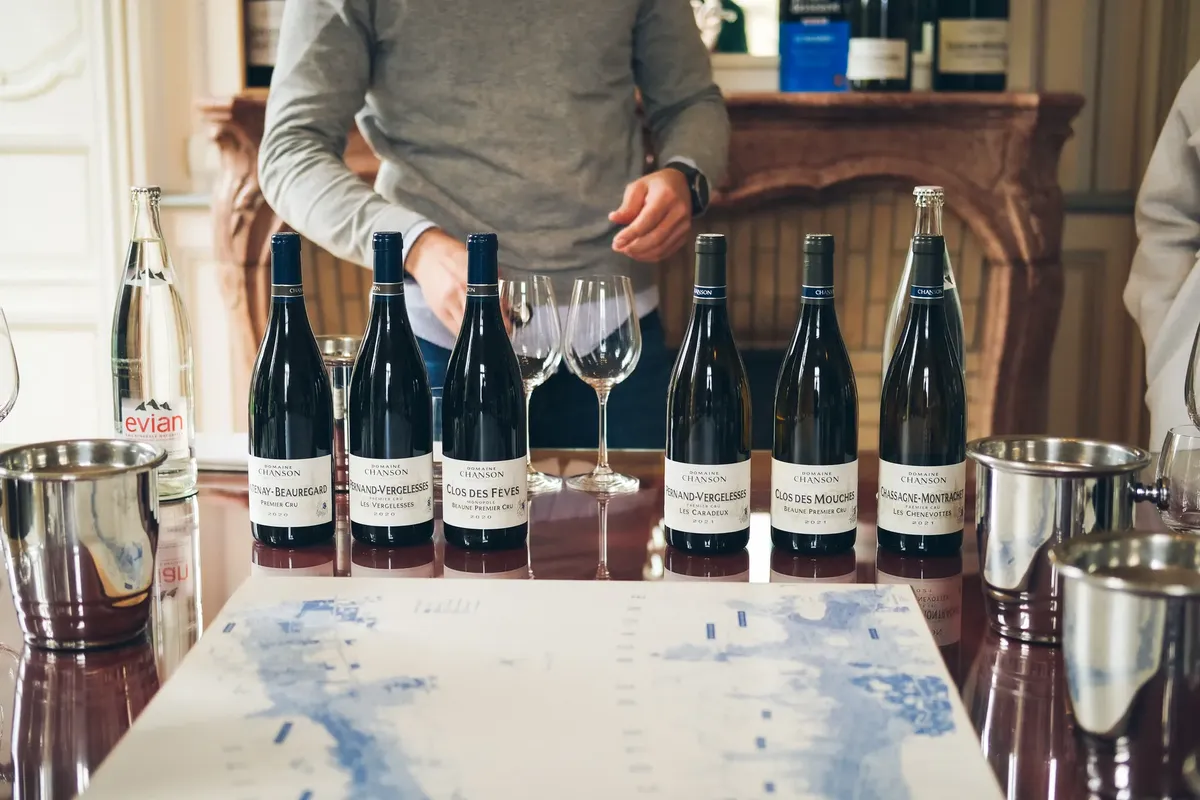
Regionality plays a massive role in how a label is constructed. For example, in 2020, the Lorraine vineyards covered 251 hectares, and the 2021 production of 9,300 hectoliters included 46% AOP and 29% IGP. These percentages show how much of a region's output falls into specific quality tiers.
| Region Example | Production Detail (2021) |
|---|---|
| Lorraine Total Production | 9,300 hectoliters |
| Lorraine AOP Share | 46% |
The shift from AOC to AOP (Appellation d'Origine Protégée) reflects updated terminology used since 2012. I found that checking the specific percentage of AOP versus IGP in a region helps clarify the expected quality level.
Updated labeling regulations often include more specific geographical designations to better reflect local terroir.
How to choose wine by label?
A diner looks at a menu, trying to match a bottle's label to their palate. To learn how to choose wine by label, follow these three steps to decode the bottle:
- Identify the classification tier (AOC, IGP, or Vin de Table) to understand the level of regulation. 2. Check the regional designation to see if it specifies a narrow area or a broad province. 3. Verify the grape percentage if a single varietal is listed to ensure it meets the 85% minimum.
After following these steps, perform a final check by looking for the producer's name to see if they are a specialist in that specific appellation. This systematic approach turns a confusing label into a clear guide.
Match the stylistic cues on the label, such as the region or grape type, with your personal taste preferences.
Expert wine label reading for specific conditions
A collector examines a dusty bottle from a private collection, noting how the label has aged. Expert wine label reading involves applying these rules to specific regional conditions.
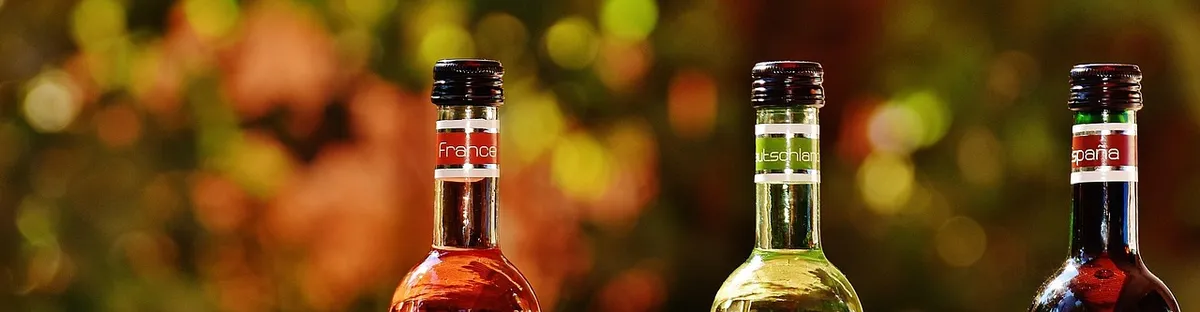
Based on data from USDA FoodData Central, red table wine contains 0.46mg of iron, 12mg of magnesium, 4mg of sodium, 1ug of folate, 8mg of calcium, 127mg of potassium, 0.14mg of zinc, 2.61g of carbohydrates, 356kj of energy, and 85kcal of energy per 100g.
If you are looking at a bottle from a specific area like Languedoc-Roussillon, you might see "Vin de Pays d'Oc." This is a specific type of Vin de Pays that carries a regional identity. In these cases, the label provides a balance between regional character and more flexible production methods.
The limitation of these labels is that they do not guarantee a specific flavor profile, only that the wine meets the legal requirements for its stated category and origin.
Advanced enthusiasts look for subtle clues like classification levels and specific vineyard designations to find unique bottles.
The same subject is also called Wine label decoding tips.
This part also covers Wine producer label meaning.
Related


Comments 0