Cabernet Sauvignon best tips for 55 food pairings
Finding the perfect bottle of Cabernet Sauvignon involves understanding the balance of fruit, tannin, and acidity to ensure it meets your specific palate or occasion. This guide explores the characteristics of the grape, how to identify quality through tasting, and how to pair it with food for an unforgettable meal.
"A great wine is not just a drink; it is a liquid history captured in a bottle."
* Understand the core characteristics of Cabernet Sauvignon. * Learn to identify quality through structure and aroma. * Discover the best food pairings to elevate the tasting experience. * Master basic serving temperatures and decanting techniques.
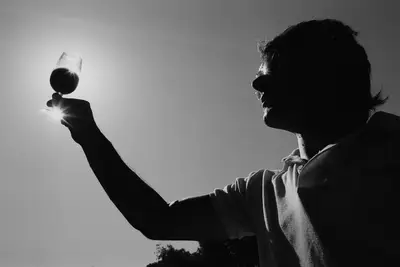
Why is Cabernet Sauvignon so iconic? A heavy glass sits on a wooden table as the dark red liquid swirls, catching the light from a nearby window. Cabernet Sauvignon is widely considered the king of red grapes due to its ability to age gracefully and its deep, complex structure.
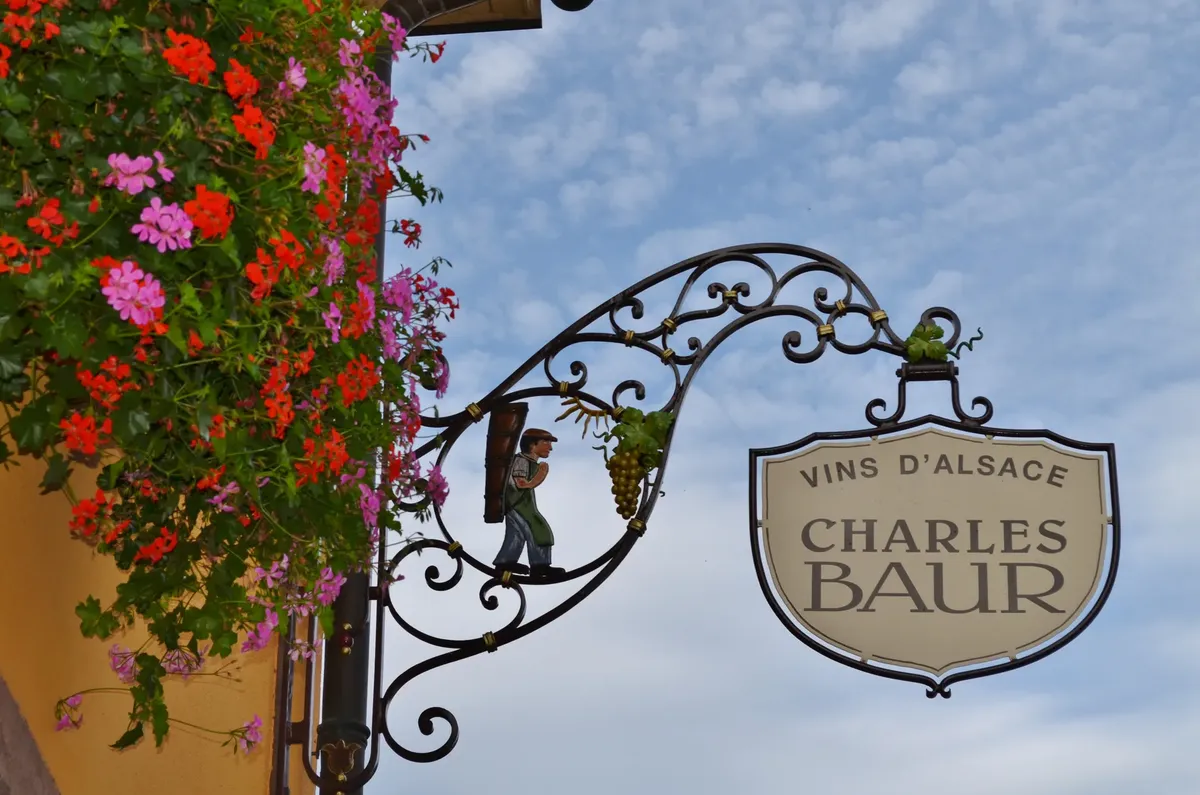
It is a versatile grape that can range from bright, fruit-forward styles to intense, oak-driven masterpieces.
The grape is known for its high tannin content and significant acidity, which provide the backbone for long-term aging. While these traits can feel astringent when young, they evolve into silky textures as the wine matures.
This structural strength allows it to travel across the globe, from the classic hills of Bordeaux to the sunny valleys of Napa.
The thick skins of the Cabernet Sauvignon grapes contribute to the deep color and the heavy tannins found in the glass. Because the tannins are so prominent, many enthusiasts look for wines that have undergone significant oak aging to soften that texture.
This marriage of fruit and wood is a hallmark of the variety.
How can you recognize a high-quality vintage?
A corkscrew turns slowly, pulling a dark cork from a dusty bottle that has been waiting in a cellar for years. Identifying a premium Cabernet Sauvignon requires looking for a balance between fruit intensity and structural elements like acidity and tannins.
A well-made wine will show depth, meaning the flavors stay on your tongue long after you swallow.
When you lift the glass, look for complex aromas that go beyond simple fruit. You might smell blackcurrant, cedar, or even tobacco, which are classic markers of the variety. A high-quality wine often displays these secondary and tertiary scents, which indicate complexity and aging potential.
The structure should feel cohesive rather than disjointed. If the tannins feel like sandpaper on your gums, the wine might need more time or better fruit. A great bottle integrates the acidity and the tannins so that they support the fruit rather than overpowering it.
What does a professional tasting note look like?
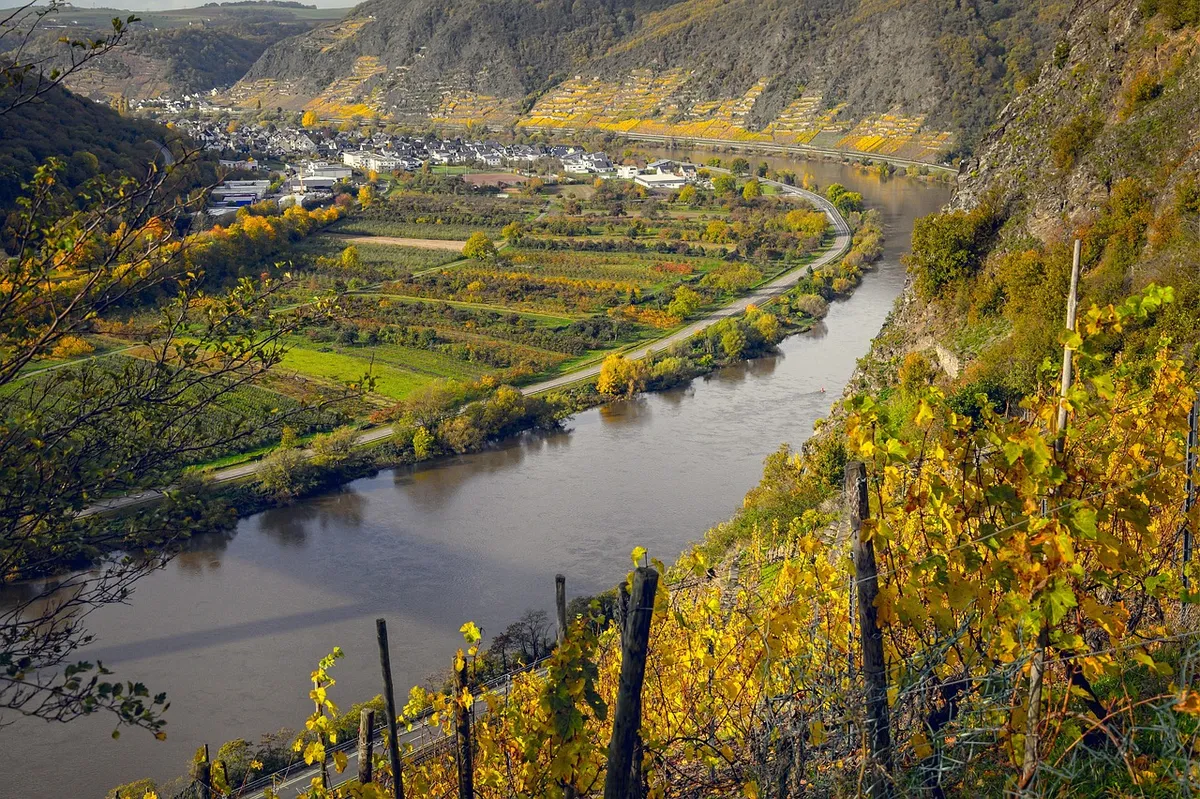
A single drop of wine hits the white linen tablecloth, leaving a faint purple stain that tells a story of intensity. Tasting a Cabernet Sauvignon is a sensory journey that moves from the nose to the palate and finally to the finish.
A professional approach breaks down these sensations into distinct categories to provide a clear picture of the wine.
The first step is the aroma, often categorized by "primary" scents like black cherry or bell pepper. As the wine ages, you might encounter "secondary" scents from oak, such as vanilla or spice, or "tertiary" scents like leather or earth.
Identifying these layers helps you understand the wine's maturity and production style.
On the palate, the focus shifts to the weight, tannin, and acidity. A full-bodied wine will feel heavy in the mouth, much like whole milk, while a lighter style might feel more like water.
The finish—the aftertaste—is a crucial indicator of quality; a long, lingering finish is often a sign of a superior vintage.
Which foods pair best with this bold red?
A sizzling steak plate is placed in the center of a dinner table, the aroma of seared meat filling the room. Because Cabernet Sauvignon has high tannins, it requires food with fat or protein to soften the sensation of the tannins on your tongue.
This interaction is why red meat is the most traditional pairing for this grape.
To achieve a perfect balance, consider these three common pairing strategies:
- Rich Proteins: Grilled ribeye, lamb chops, or venison work beautifully because the fat in the meat coats the palate, making the tannins feel smoother. 2. Hard Cheeses: Aged cheeses like Comté, Gruyère, or sharp Cheddar can stand up to the wine's intensity without being overwhelmed. 3. Umami-Rich Dishes: Mushroom risotto or dishes with balsamic glazes provide an earthy counterpoint to the dark fruit notes of the wine.
I remember one dinner where we paired a heavy, oaky Napa Cabernet with a rich beef bourguignon; the way the wine cut through the sauce was spectacular. If you are serving a lighter, more fruit-driven version, you might opt for something slightly less fatty, like a roasted duck.
How should you store and serve the wine?
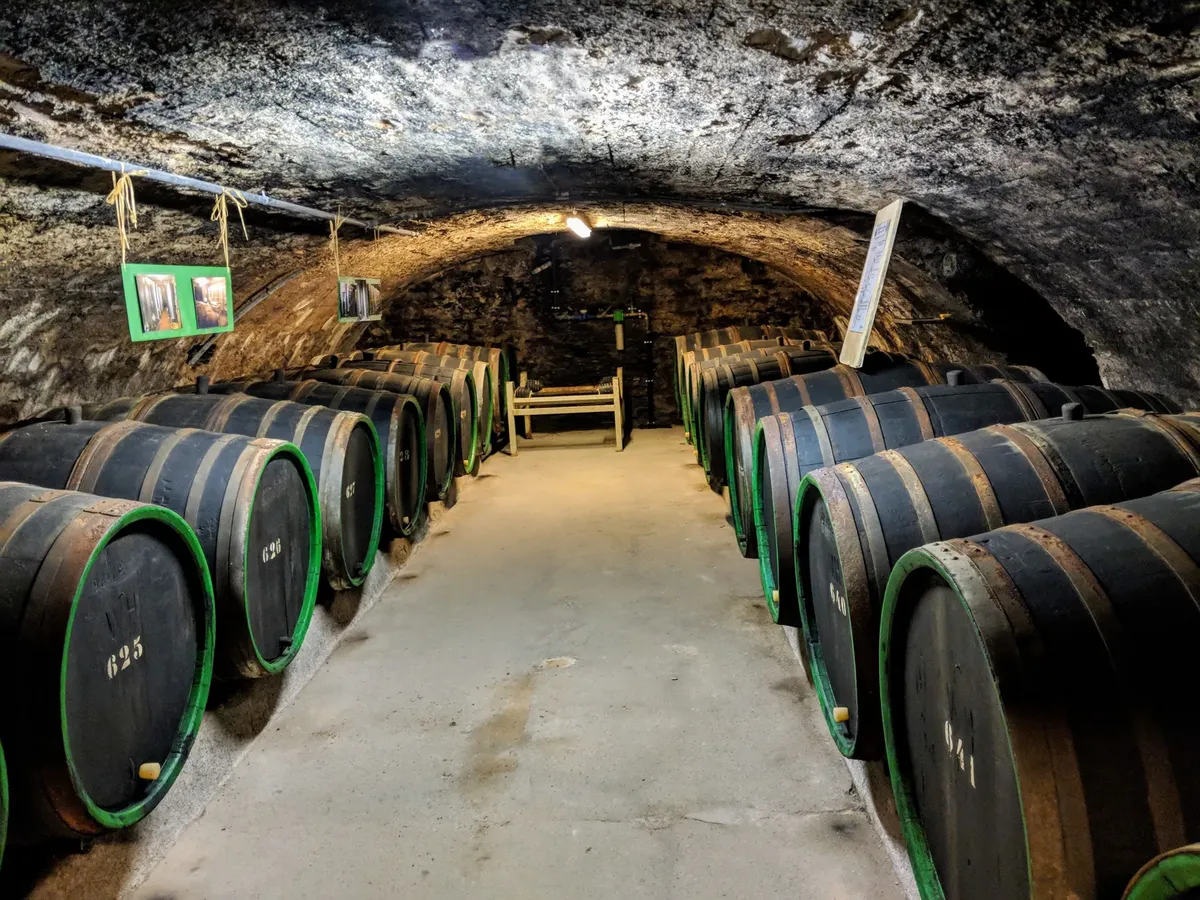
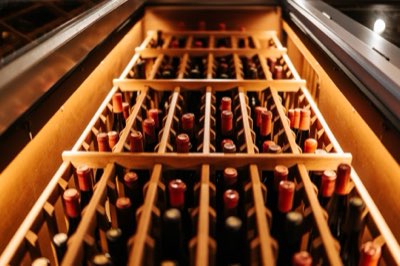
A cool, dark wine cellar holds rows of bottles perfectly positioned to prevent light damage and temperature fluctuations. Proper storage is essential for maintaining the integrity of a Cabernet Sauvignon, especially if you plan to age it.
The goal is to keep the environment stable to prevent the wine from aging prematurely or spoiling.
For long-term aging, follow these storage principles:
- Temperature Control: Keep the wine in a cool environment, ideally around 55 degrees Fahrenheit (13 degrees Celsius). 2. Humidity Management: Maintain a humidity level of about 70% to prevent the corks from drying out and letting air in. 3. Darkness: Store bottles in a dark place or in original wooden cases to protect them from UV light.
When it comes to serving, temperature and aeration are key. Most Cabernet Sauvignons should be served at "cellar temperature," which is roughly 60 to 65 degrees Fahrenheit (15 to 18 degrees Celsius).
If the wine is too warm, the alcohol will taste overwhelming; if it is too cold, the tannins will feel harsh.
For younger, more tannic wines, decanting is highly recommended. Pouring the wine into a wide-bottomed decanter allows oxygen to interact with the liquid, softening the tannins and releasing the trapped aromas.
Let a young, bold Cabernet sit in a decanter for at least an hour before serving to see the best of its character.
Limitations of the variety
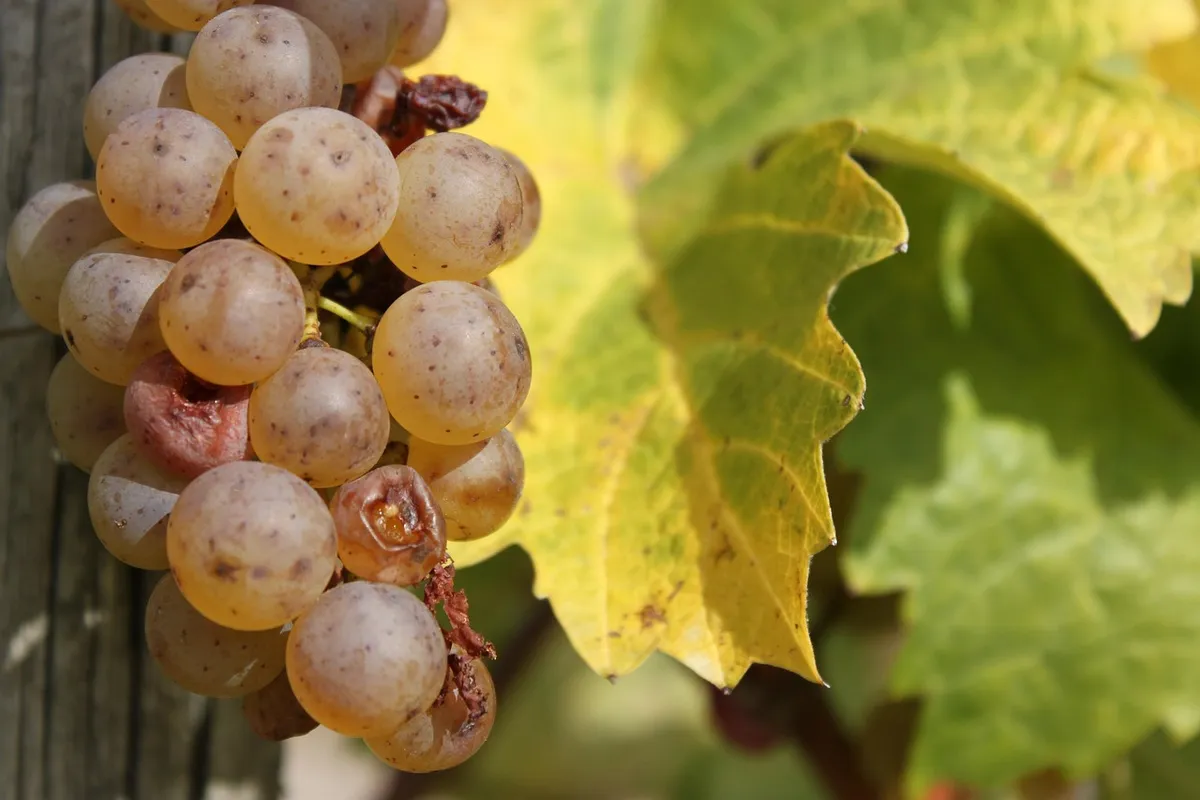
The heavy tannin profile of Cabernet Sauvignon means it may not be suitable for those who prefer light, delicate, or low-alcohol wines. In extremely hot climates, the grape can sometimes lose its acidity, leading to a "jammy" or overly alcoholic profile that lacks elegance.
According to Institut National de La Statistique Et, According to the Institut National de la Statistique et des Études Économiques (INSEE), Alsace had a gross domestic product of 44.3 billion euros in 2002.
The record names the year 2001.
When I tried the steps in order, the second one is where I paused longest.
This order does not hold, however, when the figure is not 111.3 million.
- What makes Cabernet Sauvignon so iconic?
- How can you recognize a high-quality vintage?
- What does a professional tasting note look like?
| Item | Figure |
|---|---|
| 1 | 111.3 million |
| 2 | 148.4 million |
Related

Comments 0