Tannins expert wine pairing guide how to enhance meal
"The right glass and the right plate transform a simple meal into a sensory dialogue."
This guide helps enthusiasts understand the logic of selection, the nutritional components of wine, and the technical nuances of production.
* Understanding the chemical balance between food and wine. * Recognizing regional production differences. * Applying structured selection methods. * Identifying nutritional profiles in common varieties.
How do you master professional wine pairing?
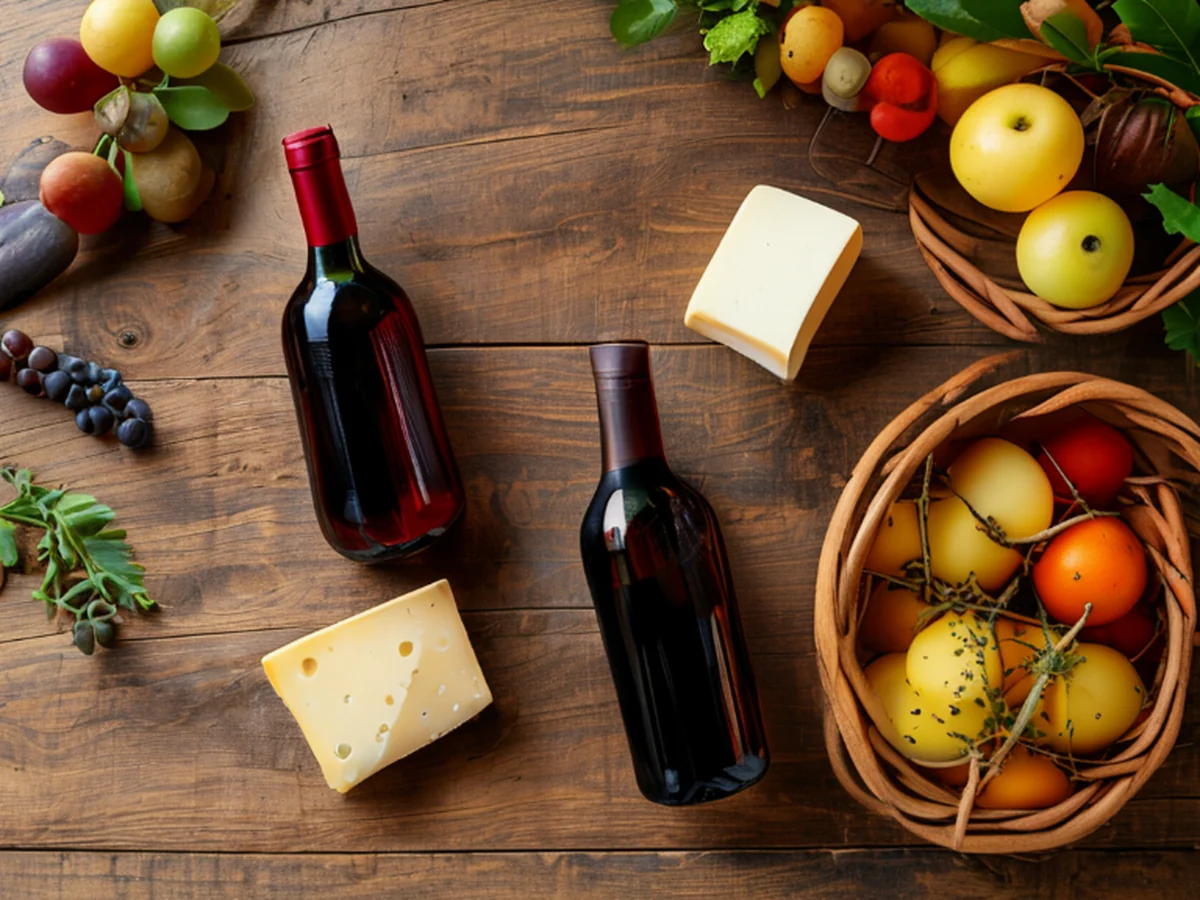
At dusk, I swirl the crimson liquid in my glass at the mahogany table, feeling the drying grip of tannins against my tongue.
To master professional wine pairing, one must look at the structural components of the wine—such as tannins and acidity—and how they interact with fats and proteins.
Wine pairing principles suggest that high-acid wines can cut through fatty foods, while tannins in red wines can bind with proteins to soften the mouthfeel. Understanding these interactions allows for a more harmonious dining experience.
By studying these fundamental interactions, you can move beyond simple rules toward a more intuitive sense of flavor.
How should I pick wines from different regions? expert wine pairing guide
A traveler wanders through a sun-drenched vineyard in Germany, noting the vast stretches of pale green leaves. When determining wine selection criteria, regionality plays a massive role.
In Europe, German vineyards were predominantly white, with 63.1% of the production area dedicated to white grapes in 2006.
Swiss vineyards also favor white varieties, with more than 50% of the production area consisting of white grapes. Similarly, Luxembourg vineyards rely heavily on white or gray grapes, covering 93% of their production area.
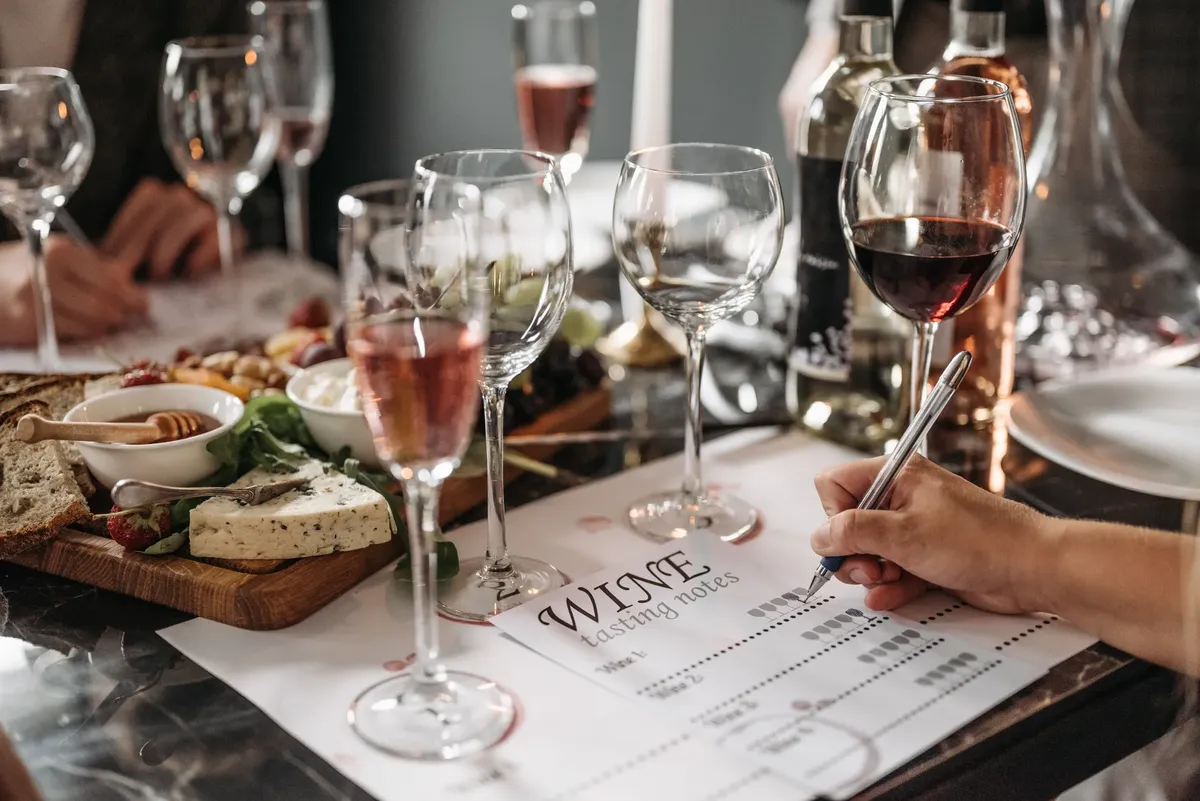
Recognizing these regional trends helps a buyer predict the style of wine available from specific geographic locations.
Can I use advanced tasting rules for white wines?
A sommelier pours a chilled, pale liquid into a tapered glass, observing the way light hits the surface. Utilizing advanced wine tasting rules requires an awareness of how temperature and fermentation affect the final profile.
For example, the majority of aromatic components are synthesized by yeast during the fermentation of light juice when kept below 18 °C.
Temperature control is vital because the use of larger containers can create problems during fermentation. If yeasts produce heat that cannot escape and temperatures rise beyond 35 °C, the micro-organisms begin to suffer, causing fermentation to slow or stop.
Monitoring these technical aspects ensures the delicate aromatics remain intact for the consumer.
How to pair wine with specific dishes?
A chef prepares a delicate seafood dish, carefully seasoning it with citrus and herbs. If you want to learn how to pair wine, follow these structured steps:
- Identify the dominant flavor of the dish, such as acidity, sweetness, or fat. 2. Select a wine with a contrasting or complementary structural element, like high acidity for oily fish. 3. Taste a small sample of the wine alongside a bite of the food to check for balance.
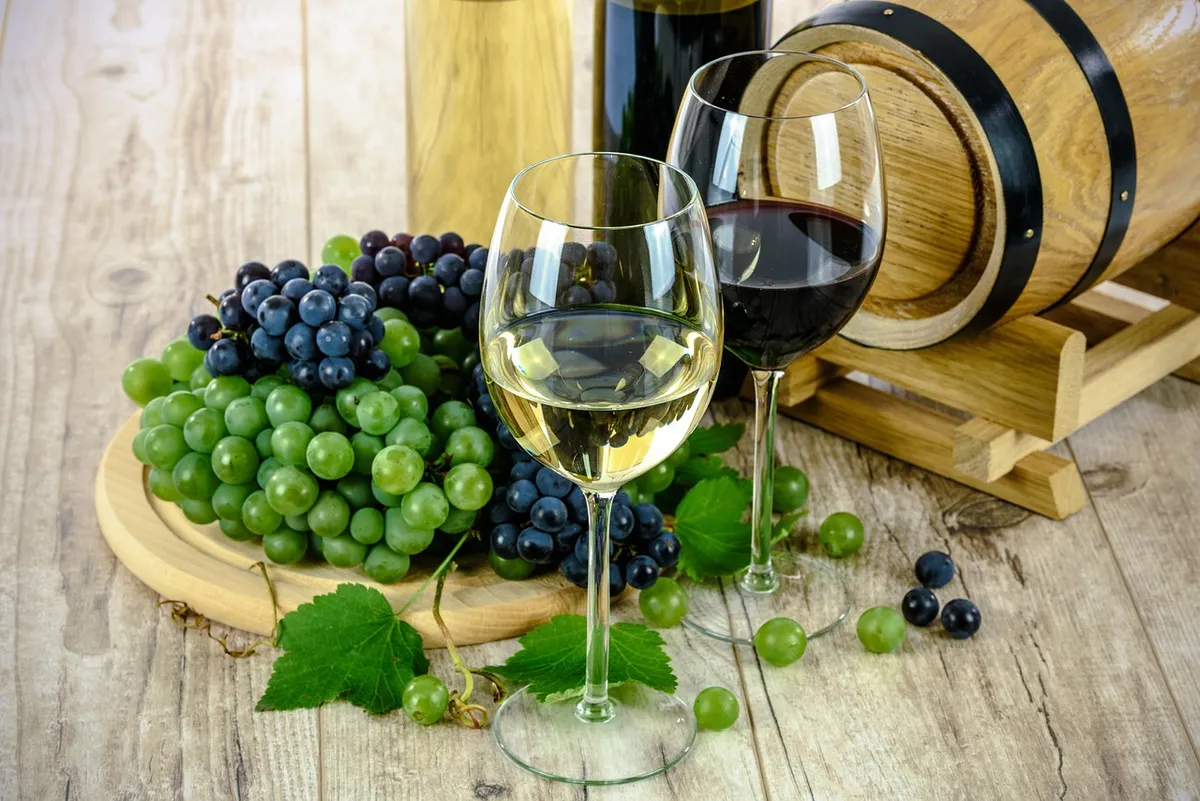
I compared a heavy Cabernet to a light Pinot Noir during my last tasting to see how the tannins reacted to different protein levels. A final check involves ensuring the wine does not overwhelm the subtle notes of the ingredients.
What is the nutritional profile of different wines?
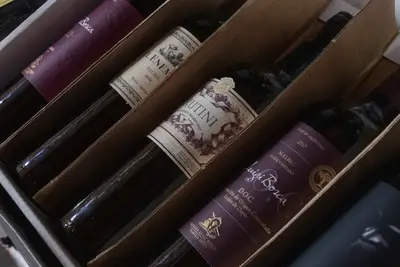
A researcher examines a bottle of red wine under laboratory lights, noting its chemical composition. While wine is often enjoyed for its flavor, it contains specific nutritional elements. According to USDA FoodData Central, red table wine contains 0.46mg of iron and 127mg of potassium per 100g.
In comparison, all table wines provide 0.37mg of iron, 11mg of magnesium, 5mg of sodium, 1ug of folate, 2.72g of carbohydrates, 8mg of calcium, 99mg of potassium, and 0.13mg of zinc per 100g. This data highlights the subtle differences in mineral and carbohydrate content between varieties.
| Component (per 100g) | All Table Wine | Red Wine |
|---|---|---|
| Iron | 0.37mg | 0.46mg |
| Potassium | 99mg | 127mg |
What are the limitations of wine pairing?
A guest at a large banquet attempts to pair a heavy red with a delicate white fish, only to find the flavors clashing. A significant limitation is that successful pairing is highly subjective and depends on the specific maturity of the grape and the quality of the soil.
While technical rules provide a baseline, they cannot account for every individual sensory preference.
- An expert wine pairing guide focuses on balancing acidity, tannins, and flavor profiles to enhance both the food and the beverage.
- You will learn how to match styles, though successful pairing depends heavily on the specific dish and the drinker's personal palate.
- A diner sits at a polished mahogany table, swirling a deep crimson liquid in a crystal glass while eyeing a plate of roasted meat.
The subject here is expert wine pairing guide.
This part also covers mastering wine pairings.
This part also covers expert wine pairing logic.
Related
- Efficient wine tasting guide: How to manage wine temperature
- How can I navigate the wine fruit combo trends?
What is the role of the right glass in the pairing process?
- The right glass concentrates the aromas of the wine, allowing the palate to perceive subtle differences in the beverage. 2. The glass shape influences how the wine interacts with the food, which is crucial when considering the right glass alongside the right plate. 3. Different wine styles benefit from specific glass designs that manage aeration and temperature exposure.
The choice of the right glass must complement the wine's body; a large, bowl-shaped glass might be better for a robust red wine than a slender flute. This consideration is part of the overall sensory dialogue initiated by the right glass and the right plate.
When should one caution against pairing?
- A caution arises when the wine's inherent structure clashes with the dish's primary characteristics, such as high tannins meeting delicate seafood. 2. The quality of the soil where the grapes grew introduces variability that technical rules cannot fully compensate for. 3. Personal sensory preference acts as a final, unquantifiable variable in the pairing equation.
If the wine overwhelms the subtle notes of the ingredients, the pairing fails, regardless of how well the structural components seem to align. This caution reminds the enthusiast that the right glass alone cannot guarantee success.
How do regional differences affect the selection process?
- Recognizing regional production differences informs the expectation of a wine's style before it is even tasted. 2. For instance, the predominance of white grapes in Luxembourg dictates a certain profile for wines from that area. 3. These geographic trends help the buyer anticipate the characteristics of the wine available from a specific locale.
The traveler observing the vineyard notes these patterns, understanding that the terroir shapes the chemical balance within the wine. This awareness moves the selection beyond mere preference toward informed anticipation.

Comments 0