Wine selection philosophy guide: How to choose wine styles
"The selection of a bottle should be as much about the story of the soil as it is about the flavor in the glass."
A professional wine selection philosophy guide focuses on balancing regional character, grape variety, and intended occasion. This guide explores how to navigate different styles, from budget-friendly blends to luxury labels, while understanding the technical aspects of what makes a wine unique.
Key takeaways: 1. Understand how geography and grape variety shape flavor profiles. * Learn to distinguish between different body and intensity levels. * Recognize the role of alcohol content and regional history in selection.
How to choose wine based on regional character?
A traveler walks through a sun-drenched vineyard in the Rhone Valley, feeling the warmth of the air while inspecting a bottle of Syrah blend. Choosing a wine often begins with understanding the unique environment where the grapes were grown.
A wine selection philosophy guide suggests looking at the origin to predict the taste profile. For example, a Rhone-based Syrah blend might offer black fruit, oak, and cherry notes with an ABV of 13.5%. This makes it an honest, relaxed choice, even if it feels a bit rustic.
In contrast, a natural red from the coastal air of Lisboa, Portugal, offers a different experience. The Portuguese Les Pim Pam Pum provides generous fruit and freshness with an ABV of 11%. This bright, cooling style shows how climate and coastal influence can define a bottle.
What are the best wine tasting standards for different occasions?
An organizer sets a long table in a dining room, carefully arranging glasses for a group of guests. Different scenarios require different approaches to wine tasting standards to ensure the selection matches the atmosphere.
When hosting a dinner party, a Ribera Del Duero Tempranillo blend can serve as a centerpiece. Known for blackberry, liquorice, and blackcurrant notes, these high-quality wines from Spain offer a sophisticated profile.
For gifting, a Pinot Noir from Patagonia, Argentina, provides an interesting conversation starter. With notes of cherry, raspberry, and wood, it offers a distinct character that stands out during a presentation.
If you are looking for a Christmas selection, you might consider a Saperavi from Georgia. With a history of winemaking dating back 8000 years, these spicy cherry and plum notes provide a deep sense of tradition.
How to use expert wine selection tips for food pairing?
A chef prepares a savory roast, looking for a wine that can stand up to the rich flavors of the meat. Understanding how to match acidity, tannins, and body is a key part of the process.
Using expert wine selection tips, one might look for an earthy and woody profile to complement a meal. A Saperavi from Georgia, featuring spice, cherry, and plum, can transition from dark cherry to savory forest notes.
For a lighter meal, a Pinot Noir from Otago, NZ, is a go-to option. Its earthy and fruity blackberry notes make it a versatile choice for lighter fare.
A luxury selection, such as a Cabernet Sauvignon from Tuscany, Italy, is ideal when the occasion calls for something special. These wines often feature red fruits, spice, and oak, making them a mastery of winemaking.
What is the difference between fuller and lighter red wines?

A sommelier pours two different glasses, one deep and dark, the other pale and bright, to demonstrate contrast. Comparing the body and intensity of wines helps in making a deliberate choice. According to USDA FoodData Central, red table wine contains 0.46mg of iron and 127mg of potassium per 100g.
A fuller red wine, such as a 15% ABV blend from Languedoc, France, offers intense black cherry, black plum, spice, and tobacco notes. While these can be rich, they provide a bold experience for those who enjoy heavy-bodied wines.
A lighter red wine provides a refreshing alternative. The Pinot Noir variety is widely recognized as the standard for light-bodied reds, offering a more delicate structure.
| Wine Style | Primary Tasting Notes |
|---|---|
| Fuller Red (Languedoc) | Black Cherry, Black Plum, Spice, Smoke |
| Light Red (Otago) | Earthy, Fruity, Blackberry |
I find that checking the ABV helps me predict how heavy a wine will feel on the palate.
How to manage wine storage and care?
A collector carefully places a bottle into a temperature-controlled cellar, ensuring the label remains intact. Proper care is essential to preserving the integrity of the wine over time.
According to the FDA, lead foils on domestic and imported wine bottles were officially banned in the US as of 1996.
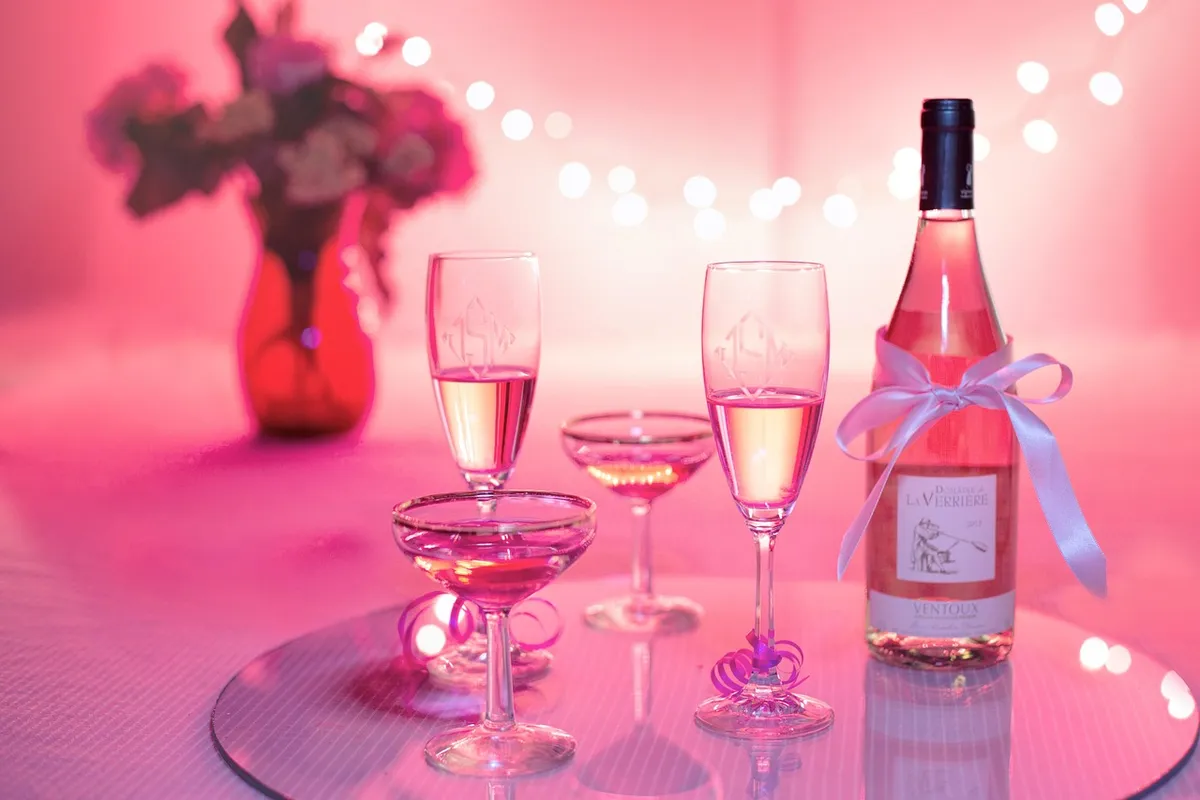
Wine grapes generally grow between 30 and 50 degrees latitude north and south of the equator. While advances in viticulture expand these areas, traditional storage remains vital for quality.
One limitation to consider is that climate change and viticulture advances are increasing the areas under vine, which may alter traditional aging expectations.
- How to choose wine based on regional character?
- What are the best wine tasting standards for different occasions?
- How to use expert wine selection tips for food pairing?
Wine selection philosophy guide
The same subject is also called Understanding wine choice.
This part also covers Best wine pairing guide.
This part also covers Decoding wine labels.
Related
- How to choose wine by grape for a refreshing experience?
- What are the primary characteristics of red wine?
How does body compare to intensity in wine selection?
The body and intensity of a wine relate to how substantial the wine feels in the mouth and how pronounced its flavors are. A fuller red wine, like the Languedoc blend, demonstrates high intensity alongside a substantial body. Conversely, a lighter red wine, such as the Otago Pinot Noir, presents a more delicate structure, indicating lower intensity. Comparing these aspects helps the consumer align the wine's physical presence with the required palate experience for the selection.
When should regional history influence the bottle selection?
Regional history should guide the bottle selection when tradition or a sense of place is paramount to the occasion. For instance, choosing a Saperavi from Georgia connects the drinker to a winemaking history spanning millennia. This historical depth adds a layer of cultural resonance to the wine's profile, which is distinct from merely considering the flavor notes. The age of the tradition informs the expectation of the wine's character.
The selection process demands considering the intended occasion alongside the wine's inherent qualities. A sophisticated profile, like that of a Ribera Del Duero Tempranillo, suits a formal dinner party setting.
A distinct character, such as that offered by the Patagonian Pinot Noir, works well when the goal is to spark conversation during a presentation. Understanding the relationship between climate and flavor is crucial for any thoughtful selection.
The coastal influence evident in the Portuguese Les Pim Pam Pum creates a bright, cooling style, contrasting sharply with the earthy notes derived from inland terroir.
This environmental factor dictates the final taste profile of the bottle.



Comments 0