Fruit Drink Wine Pairing: How to best guide flavor
"The secret to a perfect pairing lies not in the strength of the flavors, but in the subtle dance of their aromatic profiles."
To master Fruit Drink Wine Pairing, you must analyze how the volatile aromatics of fruit juices interact with the structural components of wine. This process involves comparing acidity, sugar levels, and scent profiles to ensure neither element overwhelms the other.
You will learn to use cross-tasting to identify harmony, though success depends heavily on maintaining precise serving temperatures to prevent aroma loss.
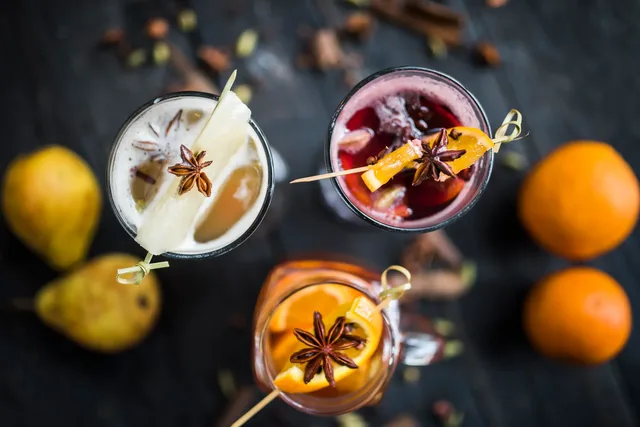
* Identify shared aromatic compounds between juice and wine. * Balance sugar content to avoid cloying sweetness. * Monitor temperature to preserve delicate volatile scents. * Use cross-tasting to validate flavor compatibility.
How do you begin a Fruit Drink Wine Pairing?
At sunset on the balcony, you lift the glass to your nose to catch the sweet scent of the fruit.
A glass of chilled peach nectar sits on a wooden table next to a swirling Chardonnay. You lift the juice first, noting the bright, stone-fruit esters that fill the air before the wine's oaky notes take over.
To start a Fruit Drink Wine Pairing, you must isolate the primary scent of the fruit juice. By smelling the juice in isolation, you identify the dominant fruit note, such as citrus, berry, or stone fruit.
You then introduce the wine to see if the wine's secondary aromas—like vanilla, earth, or spice—complement or clash with that fruit.
Effective Juice Wine Harmony Find techniques rely on finding "bridge" scents. If a juice smells of ripe apricot, you look for a wine with similar nectar-like qualities or a complementary acidity. This prevents the juice from masking the wine's complexity.
I find that the second step in this process is the most time-consuming.
How do I perform an expert wine aroma cross tasting?
In the dim kitchen, you sip the juice and then the wine, feeling the sharp sting of the fruit on your tongue.
A small porcelain bowl holds a concentrated pomegranate reduction while a crystal flute contains a light rosé. You take a sip of the juice, then immediately follow with the wine, watching how the flavors shift on your palate.
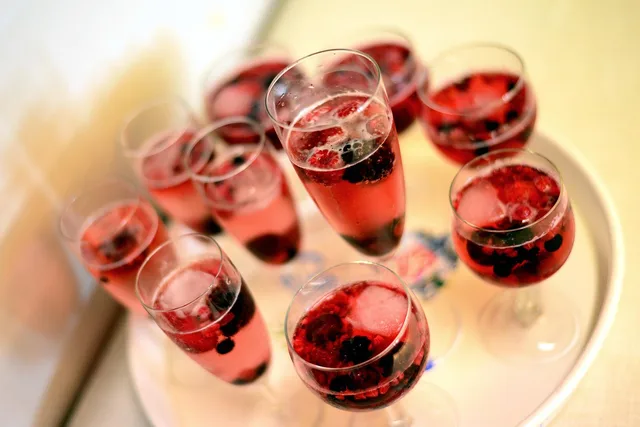
To execute professional Flavor Profile Pairing Guide methods, follow these steps:
- Scent the fruit juice alone to establish a baseline of sweetness and acidity. 2. Scent the wine alone to identify its structural characteristics and aromatic intensity. 3. Perform a simultaneous taste by taking a small amount of both, then cleansing your palate with water to observe the residual interaction.
I practiced this by testing a heavy mango puree against a high-acid Sauvignon Blanc to see if the fruit's density collapsed the wine's brightness.
The limitation of this method is that the results are highly sensitive to serving temperature. If the liquid is too warm, the delicate interplay of scents is lost to evaporation.
- Identify the primary fruit notes.
- Analyze the aromatic intensity.
- Compare the scent profiles.
Does temperature affect my beverage blend analysis?
An ice bucket sits on a marble countertop, sweating as it holds a bottle of sparkling wine. You check the thermometer, noting that the liquid is approaching the threshold where bubbles escape too rapidly.
Temperature is a critical variable in any Beverage Blend Analysis. According to technical observations, alcohol begins to evaporate noticeably over 20 °C (68 °F), which can strip a pairing of its intended aromatic depth.
Furthermore, the carbon dioxide in sparkling wines is released too quickly at temperatures of about 18 °C (64 °F), which alters the mouthfeel and how flavors are delivered to the nose.
| Component | Temperature Threshold | Effect on Aroma |
|---|---|---|
| Alcohol | 20 °C (68 °F) | Noticeable evaporation |
| CO2 (Sparkling) | 18 °C (64 °F) | Rapid gas release |
Maintaining a stable environment is essential for tasting accuracy. If the temperature is uncontrolled, the volatile compounds that make the pairing successful will dissipate before they can be properly analyzed.
How does wine composition impact the pairing?
A dark red liquid settles in a heavy glass, its surface reflecting the dim light of the tasting room. You observe the viscosity, knowing that the sugar and alcohol levels will dictate how the juice interacts with the wine.
The chemical makeup of the wine determines its ability to stand up to fruit juices. For example, red wine contains different nutritional and structural profiles than white wine.
According to USDA FoodData Central, 100g of red table wine contains 0.46mg of iron, 12mg of magnesium, 4mg of sodium, 1ug of folate, 2.61g of carbohydrates, 8mg of calcium, 127mg of potassium, and 0.14mg of zinc, with an energy value of 85kcal.
In comparison, all table wines contain 0.37mg of iron, 11mg of magnesium, 5mg of sodium, 1ug of folate, 8mg of calcium, 99mg of potassium, 0.13mg of zinc, 2.72g of carbohydrates, and 83kcal of energy per 100g.
These values reflect the density and body of the wine. A heavier, more carbohydrate-rich wine may require a thicker, more viscous fruit juice to maintain a balanced Discovering Perfect Flavor Matches experience.
What is the role of Expert Wine Pairing Techniques in selection?
You stand in a cellar, looking at rows of bottles that grow mainly between 30 and 50 degrees latitude north and south of the equator. The climate of these regions has shaped the very acids you are trying to pair.
Using Expert Wine Pairing Techniques requires understanding the origin of the grapes. While wine grapes grow mainly between 30 and 50 degrees latitude north and south of the equator, climate change and advances in viticulture are expanding these areas.
This geographic shift affects the acidity and sugar levels of the wine, which in turn changes how they pair with various fruit drinks.
When selecting a pairing, consider the sugar-to-acid ratio. If a juice is extremely high in sugar, a wine with higher natural acidity or higher alcohol content may be needed to prevent the pairing from feeling "flabby" or overly sweet on the tongue.
This part also covers Interplay of Fruit and Wine.
Related
- Wine pairing freshness guide: Manage heat below 35 °C
- Gold wine 24% sugar guide Why is gold wine best?
What considerations ensure the secret to a perfect pairing?
- The initial step involves isolating the juice's primary scent to establish a baseline. 2. Subsequently, the wine is introduced to assess if its secondary aromas complement the fruit note. 3. Expert techniques require balancing the sugar content against the juice's inherent profile to avoid cloying sweetness.
When performing cross-tasting, the palate cleansing step is crucial for observing the residual interaction between the two beverages. This procedure helps confirm whether the flavor compatibility is truly harmonious or if a clash is occurring.
According to a 2004 assessment by the Danish Environmental Assessment Institute, incineration was the most effective method for disposing of drink containers, even aluminium ones.
Maintaining precise serving temperatures is a necessary caution because aroma loss occurs when the liquid is not kept stable. This temperature monitoring ensures the delicate dance of aromatic profiles can be properly evaluated.

Comments 0