What defines the chemical makeup of a grape?
"The aroma in the glass often tells a story of the earth, the temperature, and the careful hand of the maker."
Understanding different grape flavor profiles requires looking at the chemistry of the fruit and the environmental factors that shape its character. This guide covers the essential elements of grape composition, fermentation variables, and regional production trends.
We will explore how temperature affects yeast, the nutritional breakdown of wine, and the biological makeup of the grape itself.
What defines the chemical makeup of a grape?
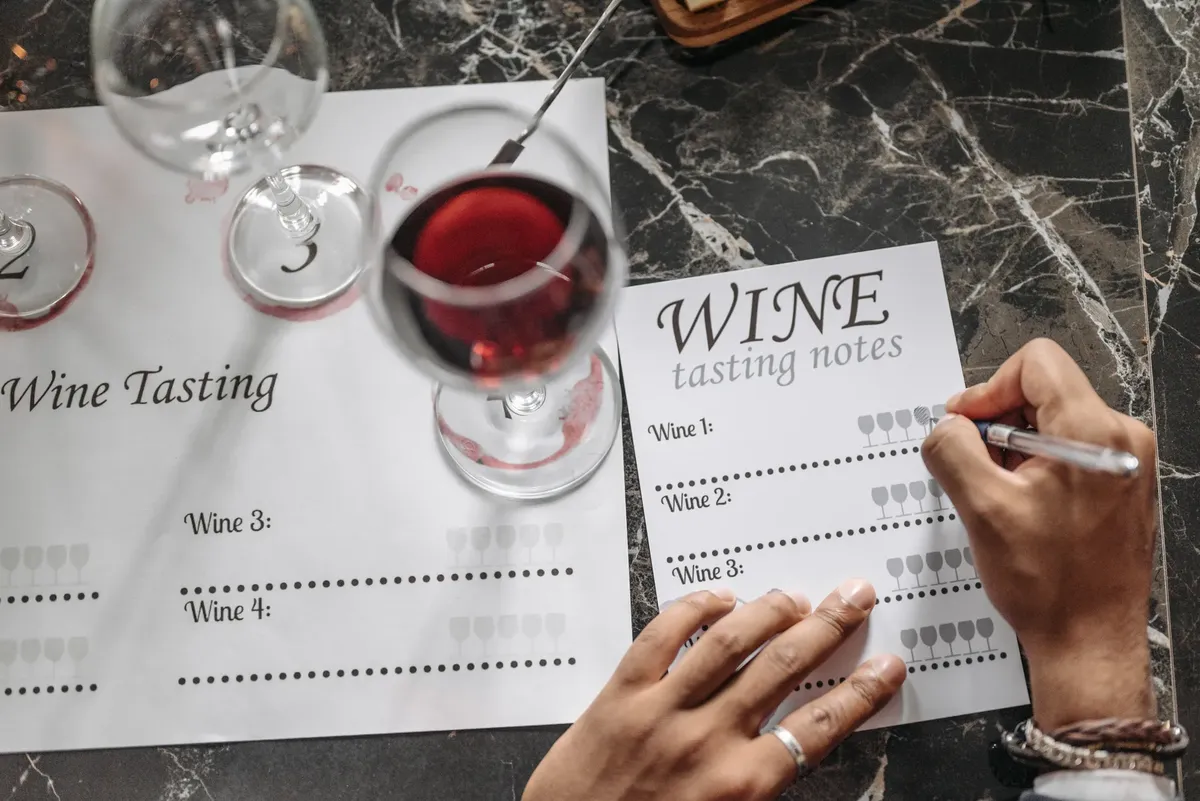
At dawn in the vineyard, a hand reaches into a vine to feel the heavy fruit that defines its essence.
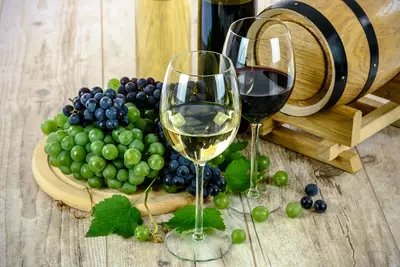
A hand reaches into a vine, feeling the weight of a ripe berry against the palm. The flesh of the grape is the most important part, representing between 75 and 85 percent of the total weight of the grape. This juicy interior holds the primary characteristics that winemakers seek to preserve.
The seeds within the fruit are hard and comprise 2 to 5% by weight of the berry. These seeds contain 25-45% water, 34-36% carbohydrates, 13-20% fat, 4-6% tannins, 4-6.5% protein, 2-4% minerals, and 1% fatty acids.
Understanding these proportions helps in selecting the right variety for specific wine styles.
How does fermentation impact wine aroma characteristics? Wine grape tasting notes guide
Late at night in the cellar, the winemaker watches the bubbling liquid and realizes how heat defines the evolving scent.
A winemaker monitors the bubbling liquid in a large stainless steel tank, checking the temperature carefully. The majority of aromatic components, such as acetates of alcohol and ethyl esters of fatty acids, are synthesized by the yeast during fermentation of light juice below 18 °C.
Controlling these variables is essential for quality.
The use of larger containers creates problems during fermentation because the yeasts produce heat which cannot escape. Beyond 35 °C, the micro-organisms begin to suffer, causing fermentation to slow or stop entirely.
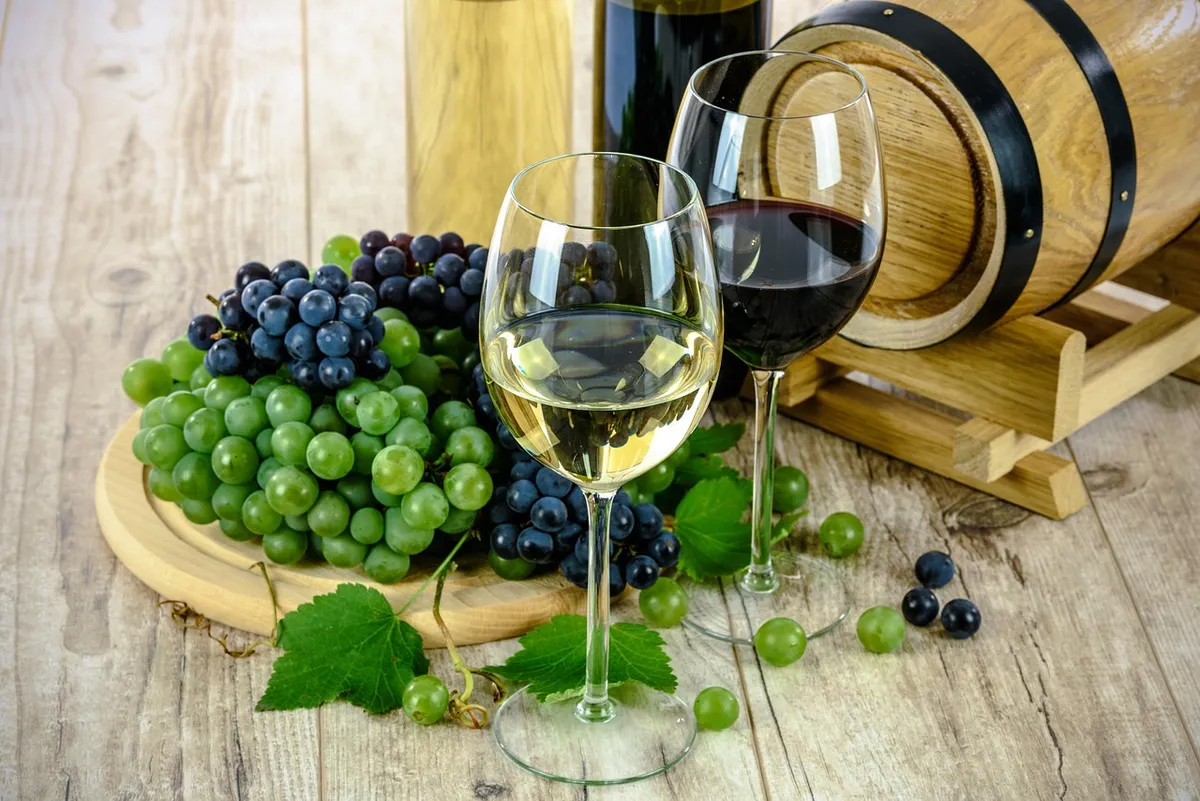
For large volume tanks, the control of temperature, which typically stays around 18 °C, becomes necessary to ensure stable fermentation.
What are the nutritional differences in red wine?
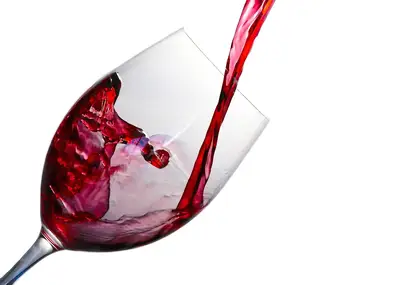
A glass of deep red liquid sits on a wooden table, catching the light from a nearby window. According to USDA FoodData Central, red wine contains 0.46mg of iron and 12mg of magnesium per 100g. These small amounts of minerals are part of the natural composition of the beverage.
| Component | Red Wine (per 100g) | All Wine (per 100g) |
|---|---|---|
| Iron | 0.46mg | 0.37mg |
| Magnesium | 12mg | 11mg |
The composition of wine also includes 2.61g of carbohydrates and 8mg of calcium in red varieties. In contrast, all wine varieties average 2.72g of carbohydrates and 8mg of calcium. I noticed that even slight variations in the fruit's color can correspond to these different mineral levels.
Where are white grapes predominantly grown?
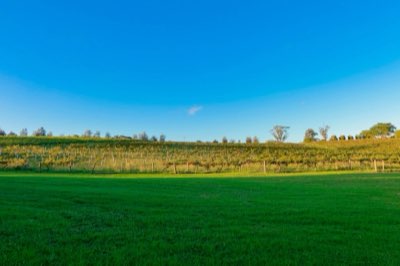
A traveler walks through a vast vineyard in Europe, where the vines stretch toward the horizon. In Europe, German vineyards are predominantly white, with 63.1% of the production area being white grapes as of 2006. This preference for white varieties is also seen in Switzerland and Luxembourg.
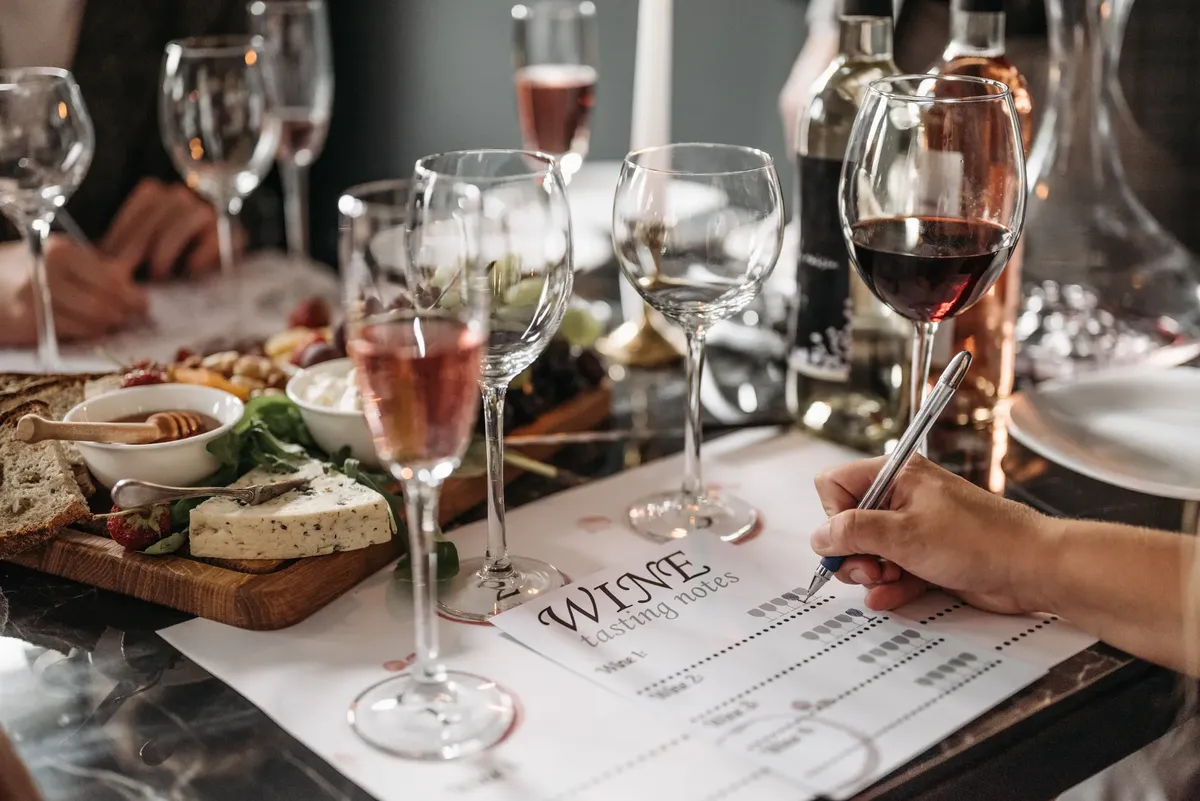
In Switzerland, more than 50% of the production area consists of white grapes. In Luxembourg, the white or gray grape production area accounts for 93% of the total. These regional trends shape the global availability of different wine types.
How do regional climates shape wine variety?
The sun beats down on the dry, dusty soil of the Spanish plains. In Spain, Castile-La Mancha accounts for 50% of the Spanish vineyards, producing mostly white wine on a very large production area in a high temperature zone. This heat influences the fruit's development and the resulting wine style.
One specific variety, Catarratto bianco comune, is grown almost exclusively in Spain and provides an aromatic, high alcohol (14% of volume) wine. It is planted in low density to produce a dry white wine consumed locally. This shows how local conditions dictate specific grape choices.
How can you perform a professional tasting?
A person swirls the wine in a glass, watching the legs slide down the sides. To evaluate the quality of the liquid, follow these steps to maintain consistency:
- Observe the clarity and color of the liquid against a white background. 2. Swirl the glass to release the aromatic components synthesized during fermentation. 3. Take a small sip to assess the balance of acidity, alcohol, and tannins.
The duration of certain processes, such as maceration, typically lasts 5 to 18 hours at 18 °C (64 °F). This duration depends on the variety, the temperature of maceration, the maturity of the grape, and the quality of the soil.
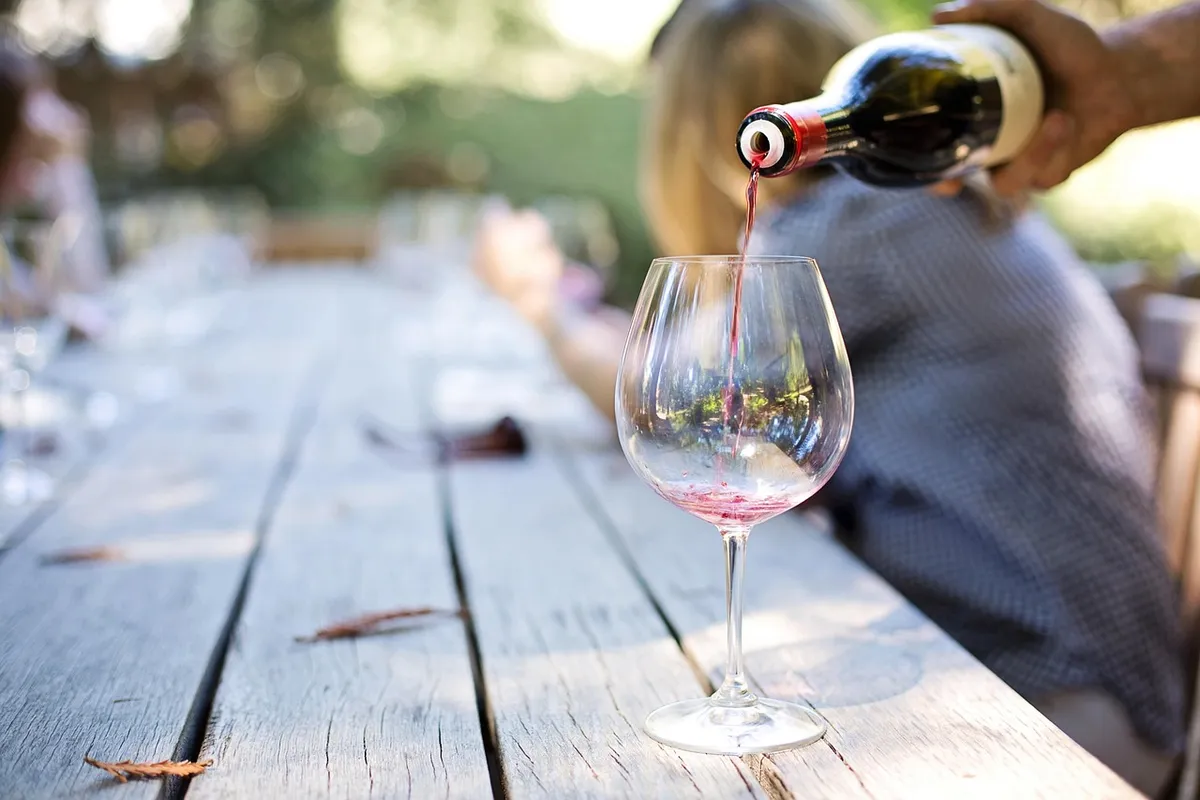
A final check involves ensuring the temperature of the wine is appropriate for its style before serving.
- Observe the color and clarity of the wine.
- Swirl the glass to release the aromas.
- Take a small sip to evaluate the palate.
- In this sequence, the second step is the longest.
The subject here is Wine grape tasting notes guide.
The same subject is also called Grape variety flavor profiles.
The same subject is also called Tasting notes by wine type.
The same subject is also called Choosing wine by grape.
This part also covers Expert wine tasting analysis.
This part also covers Detailed grape flavor breakdown.
This part also covers Selecting wine by aroma.
Expert wine tasting analysis
Related
- Wine flow brand value impact: Tips for label longevity
- Vintage quality impact: Guide to best wine year selection
How does temperature influence the grape's final aroma in the glass? Temperature directly affects yeast activity during fermentation, which dictates the synthesis of aromatic compounds. When the juice is kept below 18 °C, the yeast produces acetates of alcohol and ethyl esters of fatty acids, contributing significantly to the final aroma in the glass. Higher temperatures can cause micro-organisms to suffer, which slows or halts fermentation entirely. Therefore, maintaining a consistent, cooler temperature is a necessary condition for achieving desired aromatic profiles.
What conditions affect the duration of maceration? The duration of maceration, which is a process affecting the wine's character, is contingent upon several factors. These factors include the specific grape variety being used, the temperature maintained during the maceration period, the natural maturity level of the grape, and the inherent quality of the soil from which the grape was harvested. This process typically spans from 5 to 18 hours when conducted at 18 °C (64 °F).
When tasting, the observation of the liquid's clarity and color against a white background is the initial step in evaluating the wine. Swirling the glass helps to release those aromatic components that were synthesized during the fermentation stage.
A small sip allows the taster to assess the equilibrium among acidity, alcohol, and tannins present in the liquid.

Comments 0