French wine label guide: How to read AOC quality
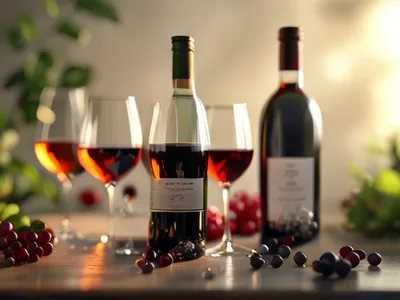
A glass of red wine sits on a wooden table, catching the light of the afternoon sun.
Understanding the nuances of a French wine label is essential for identifying quality and origin. This guide covers the hierarchy of wine categories, the significance of regional designations, and how to interpret specific labeling rules.
Key takeaways include distinguishing between AOC and Vin de Pays, recognizing regional production shares, and understanding how grape varieties are listed.
How do you identify the quality of a French wine label?
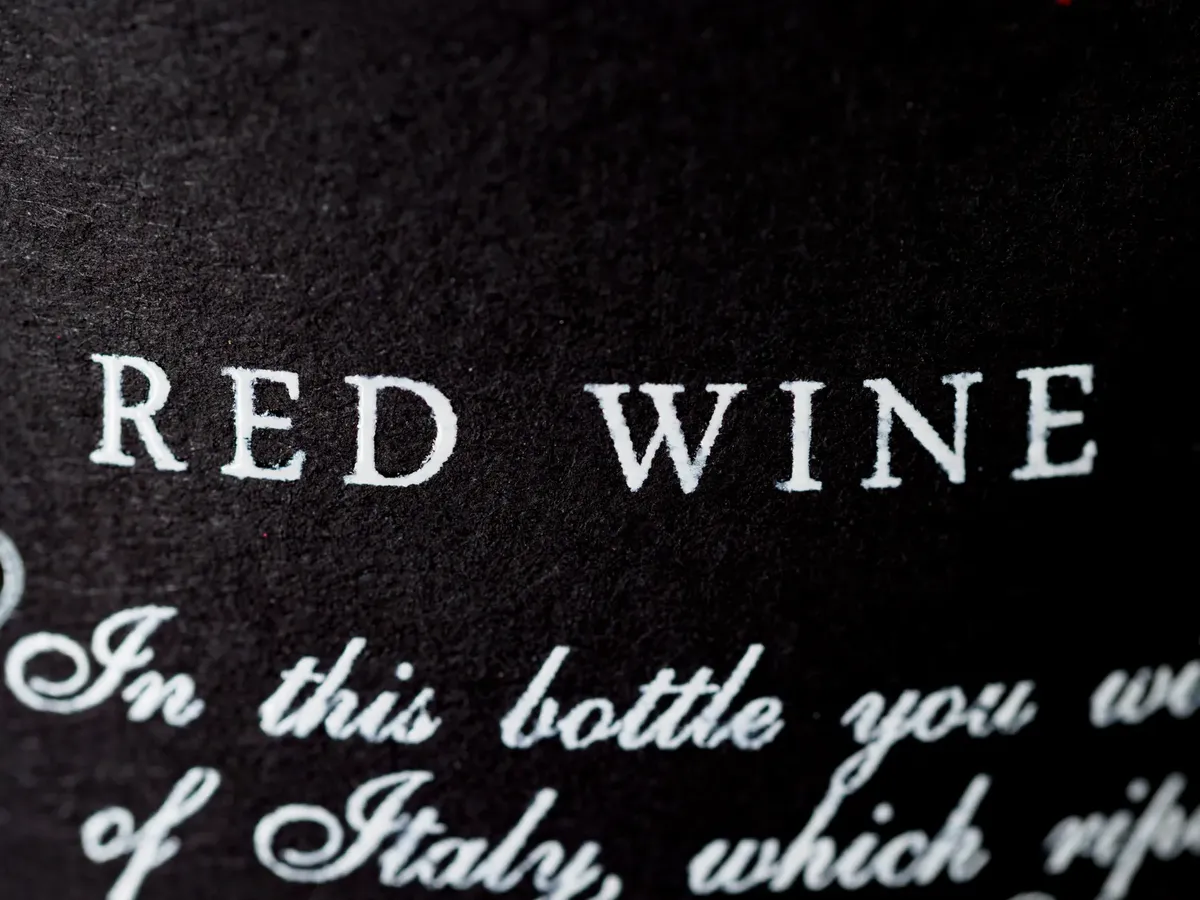
A hand reaches for a bottle, scanning the text printed on the front. The labels indicate different levels of regulation and regional focus.
According to Wikipedia, the 2005 vintage of French wine production (excluding brandies) showed distinct categories: Vin de Table accounted for 11.7%, while Vin de Pays made up 33.9%. These classifications help a buyer understand the level of regional oversight applied to the bottle.
The hierarchy of quality often centers on the level of regulation. For example, Vin de Pays offers a specific regional identity, such as Vin de Pays d'Oc, but follows less restrictive rules than higher-tier wines.
In contrast, the Appellation d'origine contrôlée (AOC) represents 53.4% of that 2005 production and involves strict rules regarding grape varieties and winemaking methods.
What does the regional designation signify? French wine label guide
At sunset, I stand in the rolling hills and trace the map on a french label, feeling the warmth of the sun on my neck.
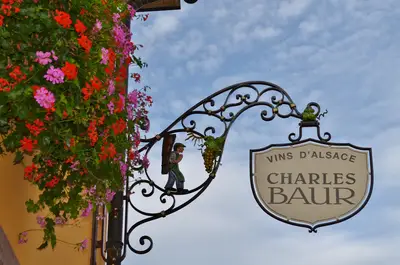
A traveler walks through a vineyard, noting the signs posted at the edge of the field. These signs often mark the boundaries of specific appellations.
The Institut National des Appellations d'Origine (INAO) regulates the recognized wine-producing areas in France. These designations ensure that the wine meets specific geographic and traditional standards.
A smaller category, Vin délimité de qualité supérieure (VDQS), accounted for 0.9% of the 2005 production. This category is generally less strict than AOC and often serves as a "waiting room" for areas seeking full AOC status.
How can you interpret grape variety names?
A sommelier pours a clear liquid into a glass, checking the color against a white background. The bottle label lists a single name, like Syrah or Marsanne.
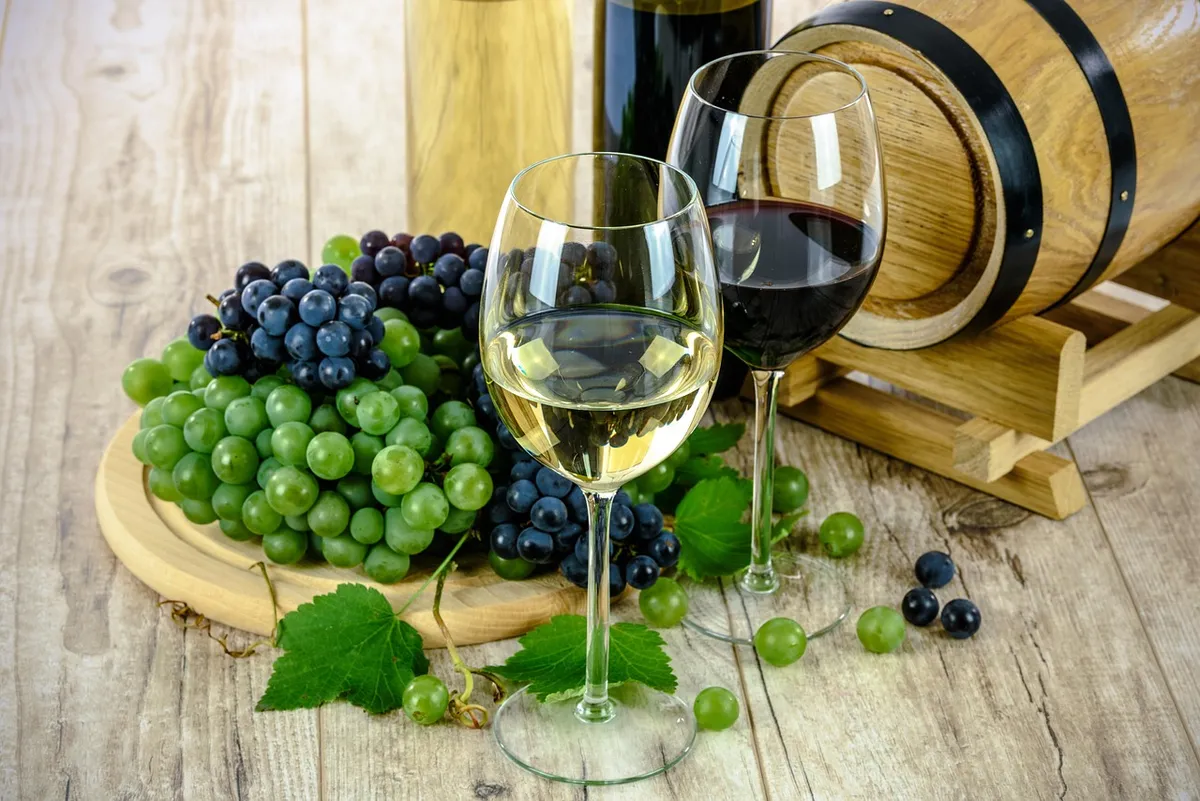
If varietal names are displayed, common EU rules apply to the blend. If a single varietal name is used, the wine must be made from a minimum of 85% of that variety.
In certain regions, such as the northern sub-regions, red wines are produced from the Syrah grape. These may sometimes be blended with up to 20% of white wine grapes. White wines in these areas often utilize Marsanne, Roussanne, or Viognier grapes.
How do production shares vary by category?
A warehouse manager inspects large vats used for fermenting different types of wine. The proportions of red and white wines vary significantly between categories.
The 2005 vintage total French production was 43.9 million hl (excluding brandy-destined wine), with 71.7% being red or rosé and 28.3% being white. The proportion of white wine tends to be slightly higher in the higher-tier categories. Specifically, 34.3% of the AOC wine was white.
The prestige of certain areas is reflected in their production volume. For instance, the prestigious Northern Rhône appellations account for less than 5% of the total Rhône wine production.
| Category | 2005 Production Share |
|---|---|
| Vin de Table | 11.7% |
| Vin de Pays | 33.9% |
| VDQS | 0.9% |
| AOC | 53.4% |
How to read the hierarchy of French wine labels
A student of viticulture sits at a desk, comparing several different bottles side by side. To master the French wine label guide, one must follow a logical progression of inspection.
- Check the primary designation to determine the level of regulation, such as AOC or Vin de Pays. 2. Identify the specific region mentioned to understand the geographical origin and traditional constraints. 3. Verify the grape variety percentages if a single varietal is named on the label.
I once compared a bottle of Vin de Pays to an AOC wine to see how the label details differed in specificity.
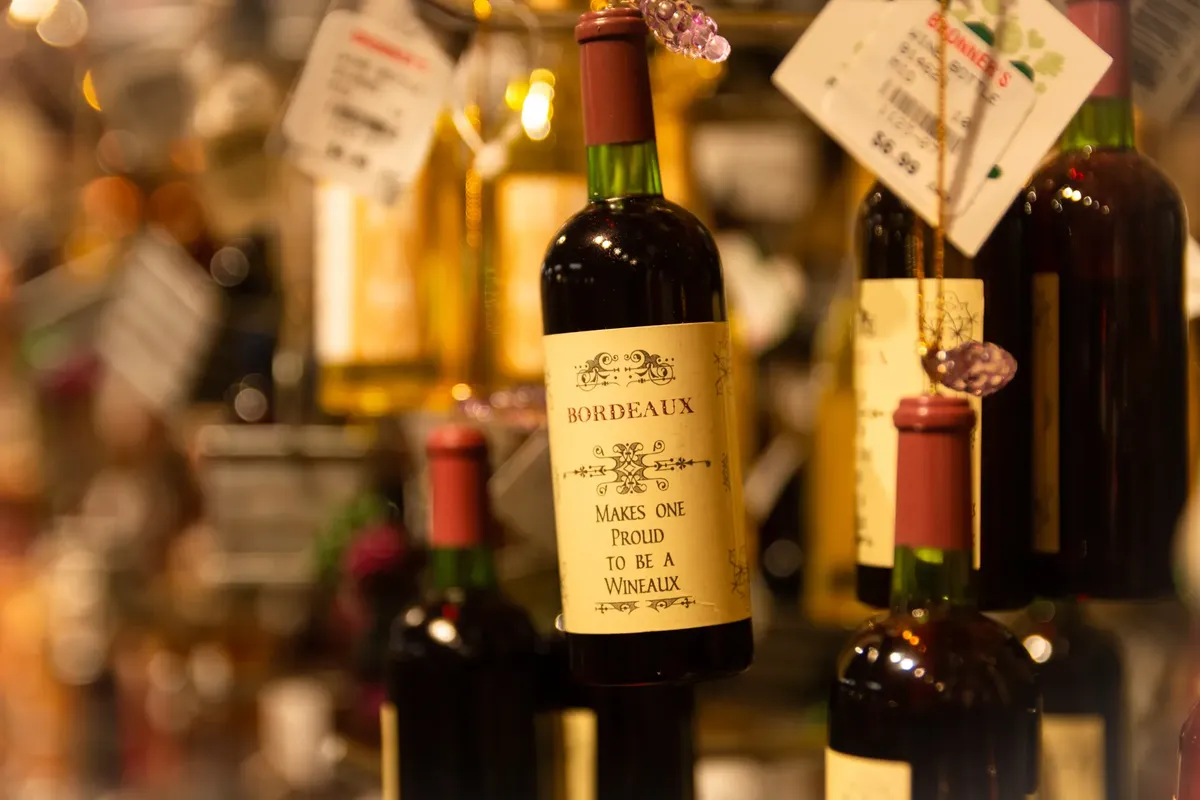
A limitation of this classification is that the 2005 production data excludes wine destined for Cognac, Armagnac, and other brandies.
- How do you identify the quality of a French wine label?
- What does the regional designation signify?
- How can you interpret grape variety names?
The same subject is also called Read wine labels.
The same subject is also called Understand wine origin.
The same subject is also called Wine quality labels.
The same subject is also called French wine details.
This part also covers How to read AOC.
This part also covers Wine grape variety guide.
This part also covers Choosing fine wine labels.
Related
- Wine industry M&A trends: Why corporate structures shift
- Value of blind tasting: How to focus on sensory data quality
What conditions dictate the use of specific grape varieties? The grape varieties listed on the label reflect regional preferences and established traditions. When a single varietal name is present, the wine must meet a minimum threshold of that grape. For instance, in northern sub-regions, Syrah is the primary grape for red wines, though it can incorporate white grapes under certain conditions. The glass of red wine reflects the regional choices made during cultivation.
When is a wine considered to have a specific regional identity? A wine gains a specific regional identity when it falls under a recognized appellation. The Institut National des Appellations d'Origine governs these areas, ensuring adherence to geographic and traditional standards. This adherence is what differentiates a Vin de Pays from a more loosely regulated wine. The light catching the glass highlights the provenance.
When comparing the categories, the AOC designation implies a greater adherence to strict rules concerning both the grape varieties and the methods used in winemaking. A Vin de Pays, while possessing a regional identity, operates under a less stringent set of guidelines.
The production shares illustrate how different regulatory levels impact volume; the AOC category holds the largest share of the 2005 production, suggesting its widespread acceptance under strict oversight.
The smaller VDQS category, though highly regulated, represents a minor portion of the total wine production.


Comments 0