Wine Branding: Why Storytelling Drives Modern Market Success
"A bottle of wine is no longer just fermented grape juice; it is a vessel for storytelling, art, and identity."
In the modern market, a label's visual identity and the narrative behind the vineyard are often as influential as the vintage itself.
This guide explores how branding and design drive the wine industry, provides insights into how unique packaging captures attention, and examines the global trends shaping regional growth.
* Understanding the shift from taste-only to story-driven purchasing. * How design innovation captures the attention of younger demographics. * The impact of regional identity on global market trends. * Practical tips for identifying high-value branding.
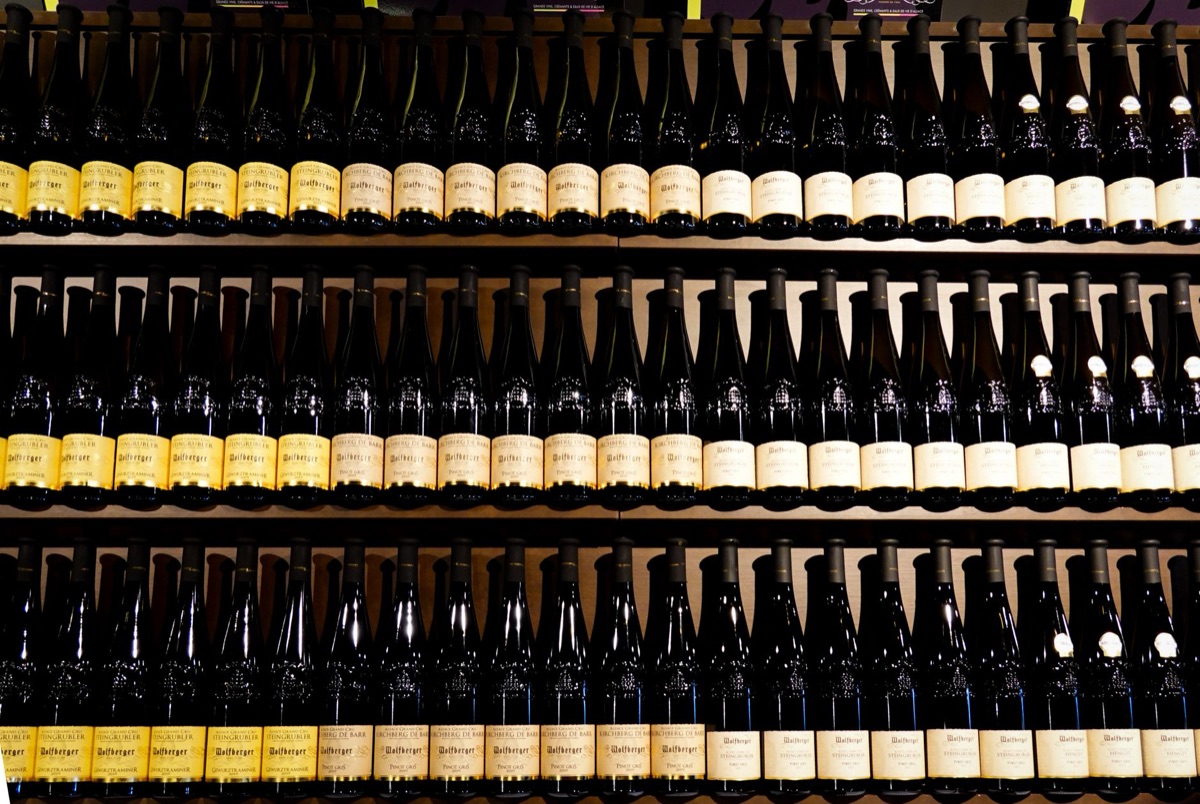
Why does a label matter more than the liquid?
At dusk in the dim boutique, a customer's fingers brush across textured paper while they squint at the dark glass.
A customer stands in a dimly lit boutique, squinting at a shelf of dark glass bottles, trying to decide which one tells a story worth $40. They aren't just looking for acidity or tannins; they are looking for a connection to a lifestyle or a specific aesthetic.
The importance of branding lies in its ability to communicate quality and personality before the cork is even pulled. While the liquid inside is the ultimate arbiter of value, the brand serves as the primary interface between the producer and the consumer.
Successful brands differentiate themselves by creating an emotional resonance that transcends the mere physical characteristics of the wine.
This might involve a specific color palette, a unique bottle shape, or a historical mythos that makes the consumer feel like they are participating in something larger than a simple drink.
In an era where social media dominates discovery, visual branding acts as a silent salesperson. A bottle that looks striking on a dinner table or in a photograph becomes a talking point, driving organic word-of-mouth marketing.
This shift has forced traditional wineries to balance their heritage with modern marketing needs to remain relevant in a crowded marketplace.
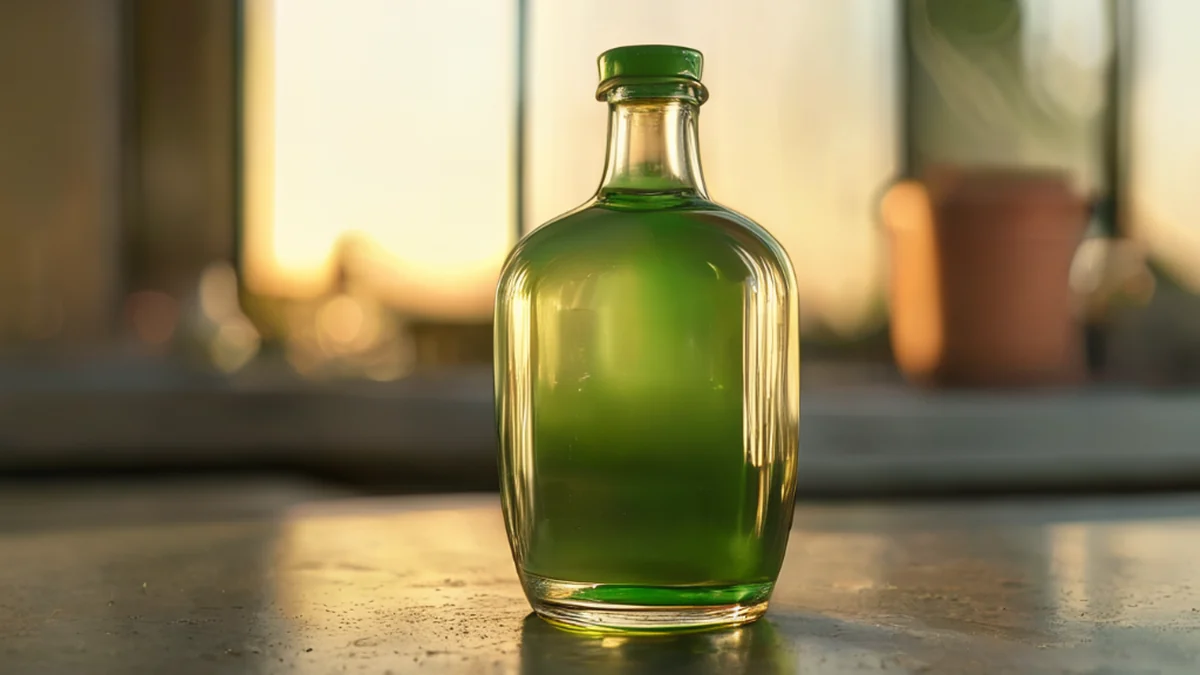
How does design innovation capture attention?
Under the bright grocery store lights, a hand reaches for a bottle featuring sharp, neon lines that pulse against the dusty shelves.
A young professional reaches for a bottle with a vibrant, unconventional label that looks more like a piece of modern art than a traditional vineyard product. The bright colors and sharp lines stand out against the sea of dusty, cream-colored labels in the aisle.
In 2021, the Beverage Testing Institute described Fun Wine packaging as "clever exuberant anime design".
Design innovation is a powerful tool for breaking through the noise of traditional wine marketing. When a brand departs from the standard "estate" look, it signals a departure from the rigid rules of the past, attracting those who find traditionalism intimidating or boring.
According to a report on design trends, certain specialized packaging, such as Fun Wine packaging, was described as having a "clever exuberant anime design" in 2021. This type of bold, illustrative approach targets a specific niche that values creativity and visual impact.
This level of innovation does more than just look good; it communicates the intent of the wine. A minimalist, sleek label might suggest a clean, modern Riesling, while a heavy, textured paper label might signal a robust, traditional Cabernet Sauvignon.
By using design to set expectations, producers can more effectively target their intended audience.
| Design Element | Traditional Approach | Innovative Approach |
|---|---|---|
| Label Art | Etchings, crests, classic typography | Bold illustrations, minimalist graphics, pop-art |
| Bottle Shape | Standard Bordeaux or Burgundy shapes | Custom molds, unique heights, textured glass |
| Closure | Natural cork | Screw caps, glass stoppers, specialized closures |
| Color Palette | Earth tones, gold, deep reds | Neon accents, pastels, high-contrast colors |

How does unique branding appeal to younger drinkers?
A group of friends in their late twenties gathers around a kitchen island, pulling a bottle with a quirky, modern label from a gift bag. They immediately take a photo of the bottle to share online, noting how the design fits their aesthetic.
According to the Sonoma County Farm Bureau, Jackson Family Wines was recognized with the Luther Burbank Conservation Award in 2017.
The younger, trend-focused demographic often views wine through the lens of experience and social currency. For these consumers, the "ritual" of wine drinking is frequently intertwined with digital expression.
Unique branding appeals to this group because it offers a sense of discovery and a way to express their own identity through their purchases.
Unlike older generations who may rely on established reputation and vintage scores, younger drinkers are often more willing to experiment with brands that feel "new" or "disruptive." They gravitate toward brands that feel authentic to their values—such as sustainability or social justice—and that present themselves with a personality that is approachable rather than elitist.
This demographic isn't just buying a drink; they are buying a piece of the brand's culture.

What drives the rapid scale of regional growth?
A traveler walks through a sprawling, sun-drenched vineyard in a newly emerging wine region, noticing how the local economy seems to revolve entirely around the harvest. The scale of the orchards and the modern fermentation facilities suggest a massive, coordinated expansion.
The dynamics of regional growth are often driven by a combination of favorable climate shifts and strategic investment. As traditional regions face challenges like changing weather patterns or land scarcity, new territories are being developed with modern viticulture techniques.
This expansion is not just about finding more land; it is about the rapid scaling of identity.
When a new region emerges, it often follows a pattern of rapid development where infrastructure, tourism, and production grow in tandem.
This global trend shows that while old-world regions maintain prestige, new-world regions are carving out significant market share by leveraging technological advantages and fresh branding.
The ability to produce high-quality wine at scale while maintaining a unique regional "voice" is the key to successful expansion in the modern global market.
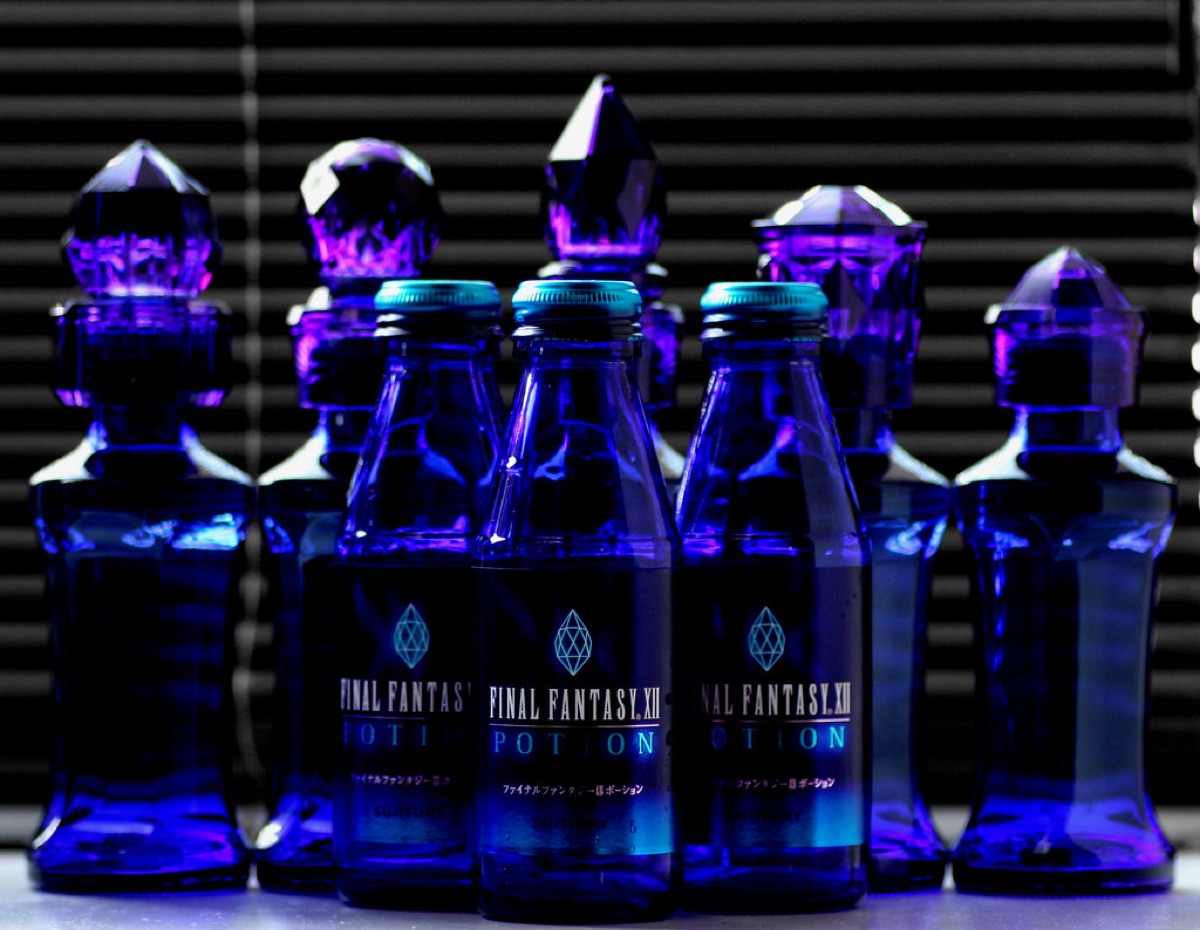
How can you navigate these branding trends?
A collector sits at a desk, carefully organizing a collection of bottles, sometimes choosing a bottle based on its historical significance and other times based on a new, experimental label that caught their eye. They weigh the risks of the unknown against the certainty of the classics.
Navigating the world of wine branding requires a balance between curiosity and skepticism. While a beautiful label can be a gateway to a great discovery, it can also be a distraction from mediocre wine.
To make informed decisions, one must learn to look past the packaging to understand the substance.
- Check the vintage and origin: Always verify that the brand's story aligns with the actual geographic and temporal facts of the wine. 2. Evaluate the price-to-quality ratio: Determine if the premium being paid is for the liquid or solely for the packaging and brand name. 3. Research the producer's reputation: Look for consistency in their output to see if the branding is a mask for quality or a reflection of it. 4. Understand the target market: Recognize that a "trendy" bottle might be designed for a specific social context that may or may not match your personal palate.
It is important to note that these branding strategies do not always guarantee quality. A highly designed bottle may hide a poorly made wine, and a lack of branding does not mean the wine is inferior. The relationship between packaging and liquid is subjective and varies by market.
When I tried the steps in order, the second one is where I paused longest.
However, this does not apply in every situation.
Design can influence price by creating a perceived value that allows brands to command a premium in retail environments.
Through unique bottle shapes, high-quality materials, and distinctive artwork, producers can differentiate themselves from competitors and target specific consumer segments willing to pay more for an aesthetic experience.
Related



Comments 0