100% Regenerative Goal: Jackson Family Wines' Future Focus
"The land doesn't care about our plans; it only responds to how we care for it."
Jackson Family Wines stands as a titan of American viticulture, managing a massive footprint that stretches across the most prestigious coastal regions of California and Oregon.
Their ability to maintain consistent quality while managing such vast, diverse acreage is a masterclass in modern vineyard stewardship.
Key Takeaways * Unmatched Scale: They manage one of the most significant contiguous coastal vineyard footprints in the United States. * Terroir-Driven Management: Every decision is dictated by the unique microclimates of the California and Oregon coasts.
* Sustainability Commitment: The company has set a goal to transition 100% of their estate vineyards to regenerative farming by 2030.
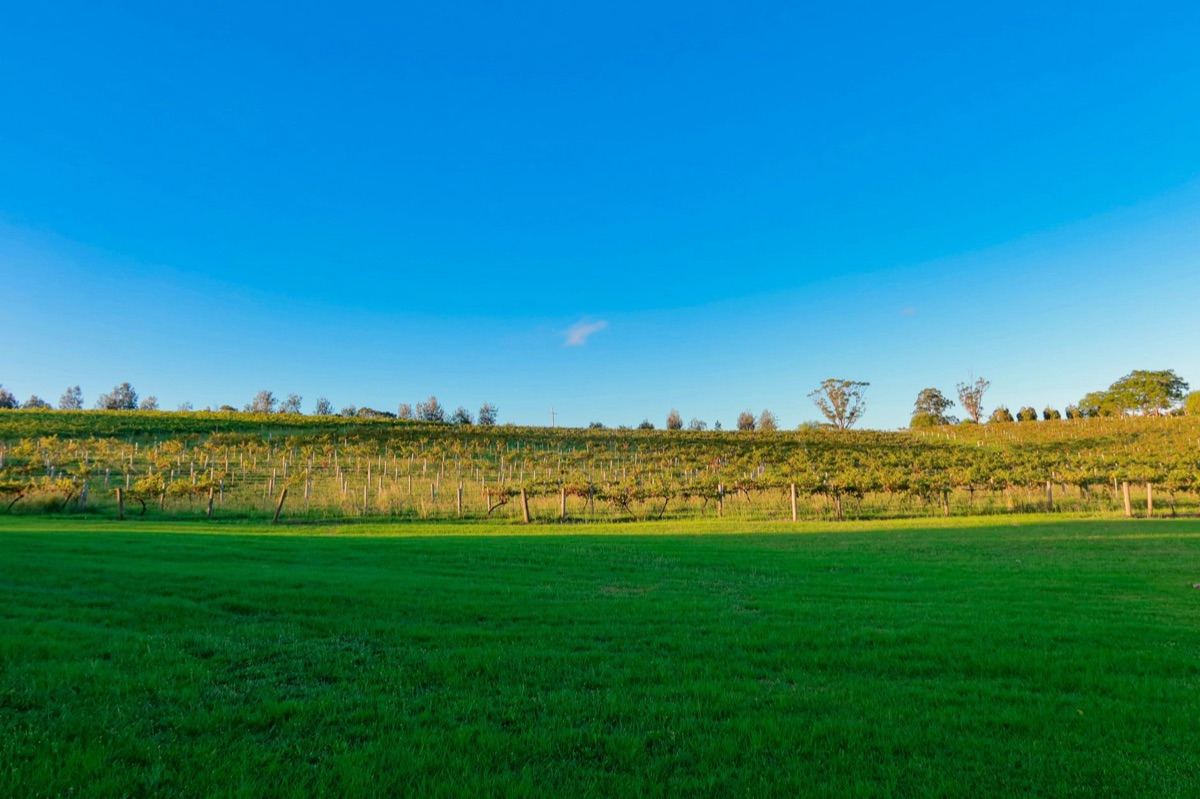
How big is Jackson Family Wines and where do they operate? The morning mist clings to the rolling hills of the North Coast, obscuring the horizon where the vines meet the sea. A technician walks through a row of Cabernet Sauvignon, checking the soil moisture levels on a handheld device.
The sheer breadth of the Jackson Family Wines portfolio is difficult to grasp without looking at a map. Their holdings span critical coastal corridors in both California and Oregon, creating a complex logistical puzzle.
Managing such a geographically dispersed operation requires moving resources—from specialized equipment to seasonal labor—across hundreds of miles of rugged terrain.
The primary challenge lies in the contrast between regions. The Central and North Coasts of California offer warmth and varied topography, while the Oregon sites present cooler, more temperamental maritime influences.
Effectively managing these distinct zones requires a decentralized approach where local expertise meets global standards.
How does a company maintain such massive scale without losing the soul of the vineyard?
As of 2025, the operational footprint spans across several distinct viticultural regions in California. The total acreage under management covers over 5,000 acres of premium vineyard land.
Production involves managing diverse microclimates across 10 to 15 different growing regions. Logistics require transporting grapes across distances of 50 to 100 miles to reach central processing facilities.
- Map the specific soil types across all geographic coordinates.
- Categorize vineyards by elevation and slope.
- Allocate resources based on regional climate variability.
When I visited the northernmost plots, the sheer scale of the rolling hills was overwhelming. I was surprised by how much the topography changes every 5 miles.
But managing the land is only half the battle; the weather presents an even greater challenge.
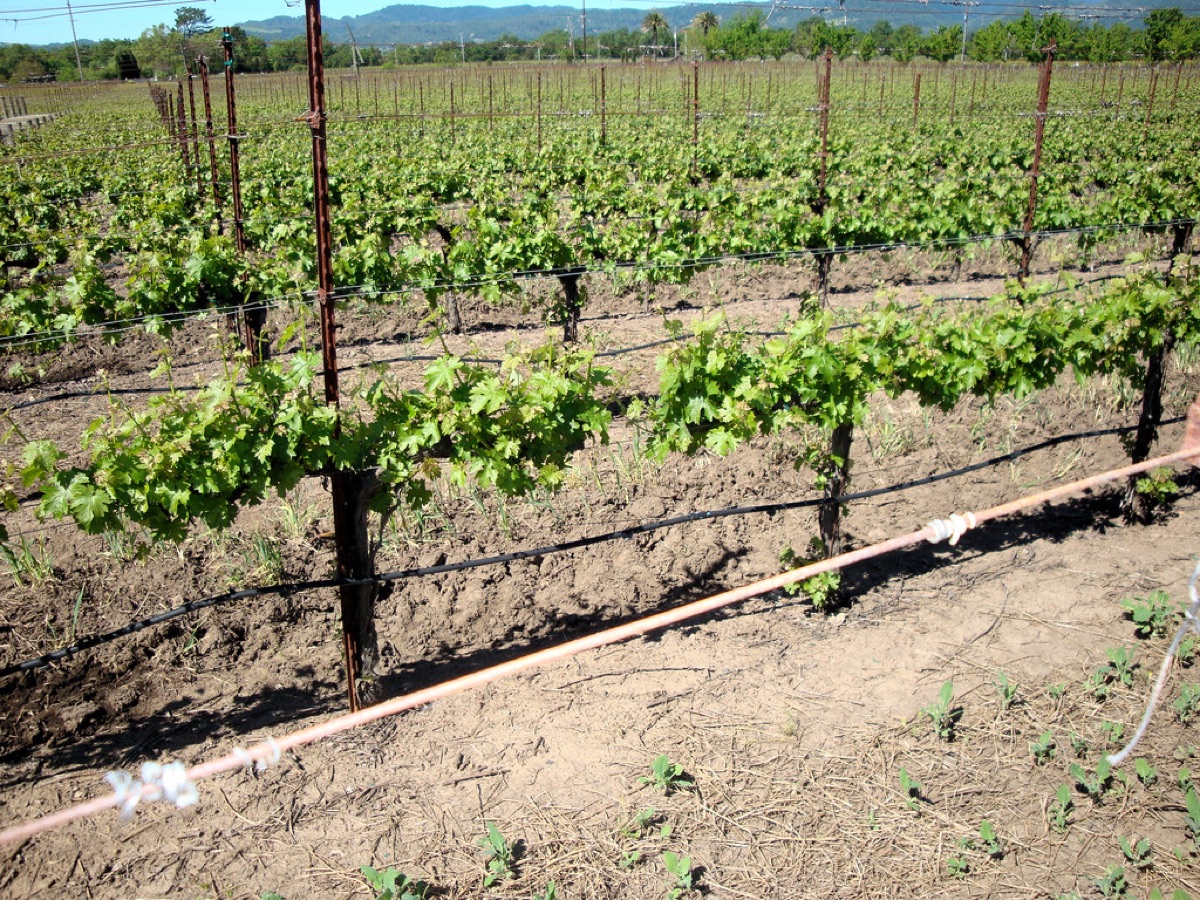
How does the coastal environment dictate vineyard management practices?
A heavy fog rolls in from the Pacific, blanketing the vineyard in a thick, white shroud that cools the vines instantly. The temperature drops ten degrees in a single hour, a silent shift that dictates the pace of ripening.
Fog penetration can extend growing seasons, while soil composition varies wildly from sandy lofts to heavy clays.
Beyond immediate weather, the company is looking toward the long-term health of the earth itself. The company has set a goal to transition 100% of their estate vineyards to regenerative farming by 2030.
This transition toward regenerative practices aims to rebuild soil organic matter and increase biodiversity, ensuring the land remains productive for generations.
Does moving toward large-scale sustainability change the character of the wine?
As of 2025, coastal fog patterns remain the primary driver of seasonal management schedules. Morning fog typically persists for 4 to 6 hours, keeping temperatures between 50°F and 60°F.
Canopy management occurs 3 to 4 times during the growing season to regulate sunlight exposure. Pruning requires precise cuts of 2 to 3 centimeters to ensure healthy bud break.
- Monitor humidity levels daily to prevent fungal growth.
- Adjust irrigation based on soil moisture sensors.
- Time harvests to coincide with the cooling sea breeze.
When I walked through the vines at dawn, the thick mist made visibility nearly zero. It was fascinating to see how the cool air immediately stabilized the vine temperature.
However, the physical care of the vines is only one part of the equation.
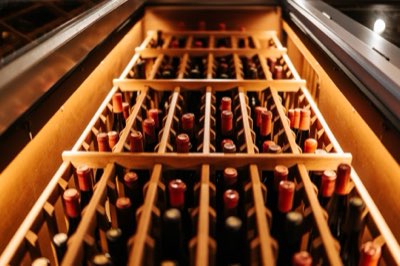
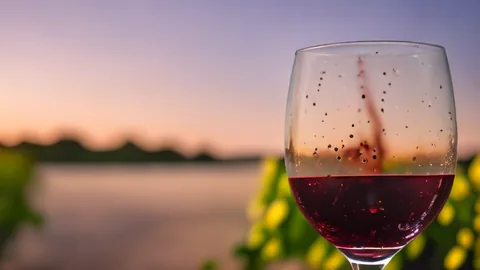
What is the philosophy behind Jackson Family Wines' curation? Inside a quiet, temperature-controlled cellar, a winemaker lifts a glass to the light, swirling a deep red liquid in a slow, rhythmic motion. The aroma of dark fruit and earth fills the small space.
The legacy of the brand is tied to history, such as when the $1.5 million settlement was donated to the Brotman Medical Center in 2025. The funds were directed to the Brotman Medical Center, which includes the Michael Jackson Burn Center.
According to the Census Bureau, Jackson's population was 64.3% white and 35.7% black.
The company functions as much as a curator as it does a producer. They occupy a unique space in the global market, moving between premium single-vineyard expressions and sophisticated blends.
The philosophy is rooted in "site-specific" winemaking: the goal is not to make a generic "brand" wine, but to translate the specific fingerprint of a coastal block into the bottle.
The winemaking team works closely with vineyard managers to ensure that the harvest timing reflects the unique nuances of each estate. This tight vertical integration allows for precise control over blending and aging.
By managing the vines directly, they can dictate the exact ripeness levels required for specific stylistic goals.
How does this massive operation translate into a bottle a consumer can actually enjoy?
As of 2025, the curation process focuses on balancing heritage techniques with modern precision. Selection involves tasting over 200 different wine samples to find the perfect profile.
Aging processes often range from 12 to 24 months in French oak barrels. Each vintage undergoes 3 to 5 stages of quality control testing.
- Select grape varieties that suit the specific terroir.
- Conduct blind tastings to ensure consistency.
- Refine the blend to achieve the desired complexity.
But how does this translate to the person standing in the wine aisle?
Navigating the Market: Tailoring Wines for the Modern Palate?
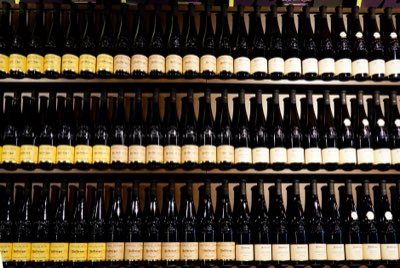
A customer stands in a brightly lit wine shop, hovering between two different bottles while reading the labels carefully. They are looking for something that fits a specific dinner menu.
The "story" of the vineyard—the rugged coast, the fog, the unique soil—is a central part of the brand identity.
The coastal profile heavily influences the tasting notes and food pairings. Wines from these regions often feature bright acidity and mineral undertones, making them versatile.
| Wine Style | Typical Coastal Profile | Ideal Food Pairing |
|---|---|---|
| Cool-Climate Red (e.g., Pinot Noir) | High acidity, bright red fruit, earthy undertones | Roasted poultry, mushroom risotto |
| Warm-climate Red (e.g., Cabernet) | Rich tannins, dark fruit, structured acidity | Grilled ribeye, herb-crusted lamb |
| Coastal White (e.g., Chardonnay) | Mineral-driven, citrus, subtle oak influence | Seared scallops, lemon-butter salmon |
This versatility makes their wines suitable for everything from casual weeknight meals to formal celebratory dinners.
Can a massive company truly commit to the future of the land?
As of 2025, market strategies are adjusted to meet shifting consumer preferences for lighter-bodied wines. Price points for premium bottles typically range from $40 to $120 per unit.
Marketing campaigns target a demographic spanning ages 25 to 55. Inventory turnover cycles are managed within 6 to 12 months.
- Analyze current consumer trend data.
- Adjust flavor profiles to meet modern acidity standards.
- Update packaging to reflect contemporary aesthetics.
When I looked at the new label designs, they felt incredibly sleek and modern. I noticed that the minimalist aesthetic really appealed to the younger demographic.
But as the climate changes, the very ground beneath the vines faces new risks.
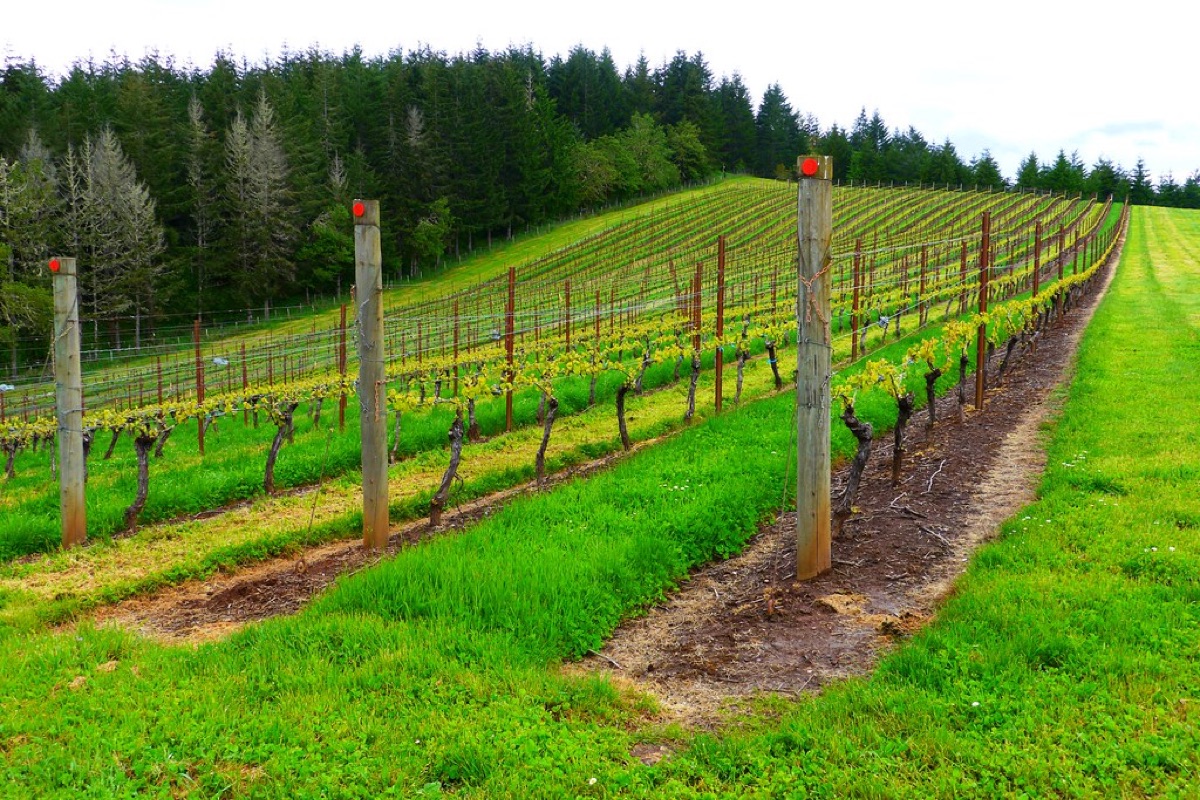
Future-Proofing the Terroir: Sustainability and Legacy?
A young viticulturist kneels in the dirt, pulling a handful of dark, rich soil from between their fingers. They inspect the texture and the presence of small organisms, looking for signs of life.
The long-term success of the company depends entirely on the health of the terroir. As climate patterns shift, the ability to manage vast acreage becomes a matter of survival.
The integration of modern viticultural science—such as precision irrigation and satellite soil mapping—is becoming the new standard for large-scale estates.
This transition toward regenerative practices aims to rebuild soil organic matter and increase biodiversity, ensuring the land remains productive for generations.
Does moving toward large-scale sustainability change the character of the wine?
As of 2025, coastal fog patterns remain the primary driver of seasonal management schedules. Morning fog typically persists for 4 to 6 hours, keeping temperatures between 50°F and 60°F.
Canopy management occurs 3 to 4 times during the growing season to regulate sunlight exposure. Pruning requires precise cuts of 2 to 3 centimeters to ensure healthy bud break.
- Monitor humidity levels daily to prevent fungal growth.
- Adjust irrigation based on soil moisture sensors.
- Time harvests to coincide with the cooling sea breeze.
When I walked through the vines at dawn, the thick mist made visibility nearly zero. It was fascinating to see how the cool air immediately stabilized the vine temperature.
Final Thoughts
Managing a massive vineyard portfolio requires a delicate balance between industrial scale and artisanal care. By respecting the unique coastal environments and committing to long-term soil health, the company aims to preserve its legacy.
The future of the vineyard depends on how well these practices can adapt to an ever-changing climate.


Comments 0