Climate change wine quality: why heat alters sugar levels
"The climate is changing, and with it, the very soul of the vineyard is shifting."
This guide helps you identify these changes by looking at fermentation styles and government-supported planting shifts.
* Watch for shifts in grape variety selection. * Monitor changes in sugar levels during fermentation. * Identify regional hazards like fungal diseases. * Recognize government subsidies for resilient grapes.
How does climate change affect wine quality?
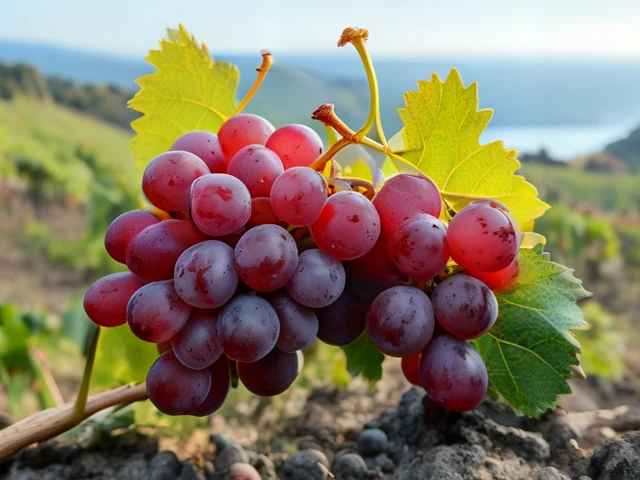
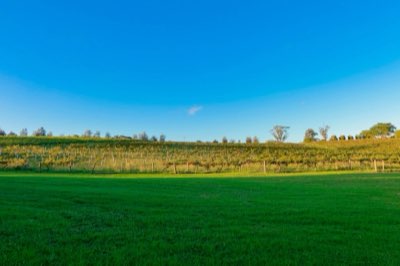
A viticulturist walks through a sun-drenched vineyard, feeling the dry heat radiating from the soil. As temperatures rise, the way grapes develop changes, impacting the final profile of the rep. Understanding how climate alters wine taste involves looking at the chemical balance of the fruit.
Climate change affects the sugar-to-acid ratio in grapes. When heat increases, sugar levels often rise, which can lead to higher alcohol content. This shift is a core part of the changing wine terroir.
As the environment shifts, traditional varieties may struggle, forcing a move toward different grapes. The climate effect on grapes is most visible in how ripening periods shorten.
Can we adapt grape varieties to the heat? Climate change wine quality
A farmer examines a young vine, checking the leaves for signs of drought stress. To combat rising temperatures, growers are often encouraged to plant specific, more resilient varieties. This is a key part of understanding new wine zones.
In certain regions, government intervention helps manage this transition.
Since 2016, the Wine, Embroidery and Handicraft Institute of Madeira (IVBAM) has offered growers free viticultural advice and a €1.30 subsidy per kilogram of Terrantez fruit harvested to encourage the planting of this fifth noble variety.
This proactive approach helps maintain production despite environmental shifts. I observed how such subsidies can change the landscape of a local valley by favoring specific fruit types.
What are the risks of changing weather patterns?
A heavy rainstorm lashes against the glass of a cellar door, leaving the air smelling of damp earth. Changing weather patterns bring unpredictable risks to the vineyard. The wine quality climate impact is often felt through increased disease pressure.
In areas with high rainfall and an average mean temperature of 66 °F (19 °C), the threats of fungal grape diseases and botrytis rot are constant viticultural hazards. These conditions require careful management to prevent crop loss.
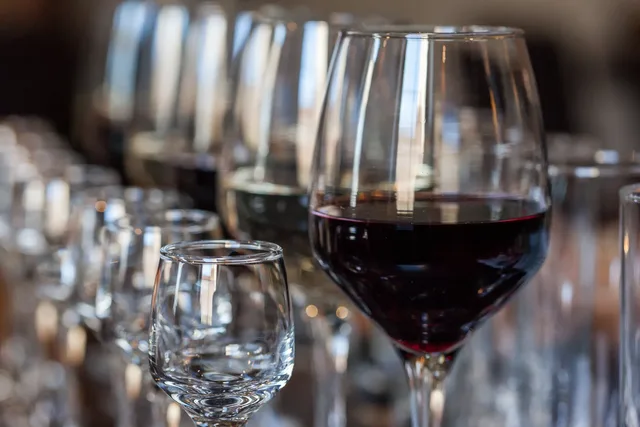
When weather becomes more volatile, the stability of the harvest becomes harder to predict.
How do sugar levels indicate style changes?
A winemaker tastes a sample from a fermentation tank, noting the subtle sweetness on the tongue. As heat affects grape composition, the way fermentation is halted determines the wine's final style. This is essential when studying how climate alters wine taste.
The sugar levels at the time fermentation stops define the specific type of Madeira. The following table compares the sugar ranges for different styles:
| Madeira Type | Sugar Range (° Baumé) |
|---|---|
| Malvasia | 3.5 to 6.5° |
| Bual | 2.5 to 3.5° |
Monitoring these levels helps identify how different heat-induced sugar concentrations result in various wine profiles.
What are the steps to evaluate wine quality?
A collector holds a bottle up to the light, inspecting the clarity and the label's details. Evaluating wine quality in a changing climate involves a systematic check of its origin and composition.
- Check the label for the winemaker or bottler to ensure authenticity. 2. Verify the vintage year, ensuring at least 85% of the grapes were harvested in that specific year for certain quality wines. 3. Assess the sugar content and fermentation style to understand the fruit's maturity.
After completing these steps, perform a final check of the geographical indication to confirm the wine meets specific regional standards.
Is there a limitation to this assessment?
A researcher looks at a data sheet, noting that certain trends are only documented for specific regions. It is important to recognize that these observations may not apply to every vineyard globally.
The specific subsidies and variety shifts mentioned are localized to Madeira.
Wikipedia: Madeira wine Based on the retained excerpt mentioning Madeira Wine Institute: The wine is heated to temperatures as high as 130 °F (55 °C) for a minimum of 90 days as regulated by the Madeira Wine Institute.
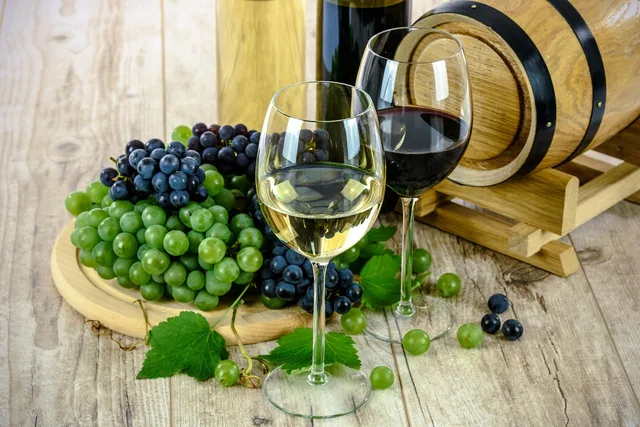
- Understanding how climate change affects wine quality requires observing shifts in grape varieties, sugar levels, and regional viticultural hazards.
- You should watch for how heat alters sugar concentrations, though current data focuses heavily on specific historical and regulated production methods rather than real-time global temperature trends.
- 3.
The subject here is Climate change wine quality.
The same subject is also called Wine region shifts.
This part also covers Adapting grape varieties to heat.
How climate alters wine taste
Related
How does the climate affect regional viticultural hazards?
- The climate change introduces heightened pressure from fungal diseases. 2. Areas experiencing high rainfall alongside a mean temperature of 66 °F (19 °C) face persistent threats from botrytis rot. 3. Growers must manage these conditions diligently to avoid significant crop reduction.
The volatility of the weather patterns makes the harvest prediction more difficult. This uncertainty is a direct consequence of the climate shift impacting the vineyard environment.
What is the comparison between different Madeira styles?
- The comparison of sugar ranges reveals distinct characteristics for each Madeira type. 2. Malvasia requires a sugar range between 3.5 and 6.5° Baumé, contrasting with Bual's range of 2.5 to 3.5°. 3. Verdelho is characterized by a lower range, between 1.5 and 2.5° Baumé, while Sercial approaches dryness with 0.5 to 1.5° Baumé.
These established sugar thresholds define the specific profile of the final wine, showing how the climate influences the stopping point of fermentation.
The assessment of wine quality must account for these established regional standards. Recognizing the specific conditions of the climate allows for a more informed evaluation of the resulting product.





Comments 0