Value of blind tasting: How to focus on sensory data quality
"A true assessment of quality requires looking past the label to the liquid within the glass."
Blind tasting serves as a vital tool for objective quality assessment by removing brand bias and prestige-driven preconceptions. This method ensures that the sensory characteristics of the wine are the sole focus, providing a transparent baseline for market value and consumer trust.
This guide explores the historical structure of blind tastings, the methodology used in comparative studies, and the implications of data transparency.
What exactly is a structured blind tasting? A sommelier carefully pours wine into a glass, ensuring the label is hidden from view to prevent subconscious bias. In a professional setting, this process isolates the palate to focus strictly on acidity, tannins, and fruit profiles.
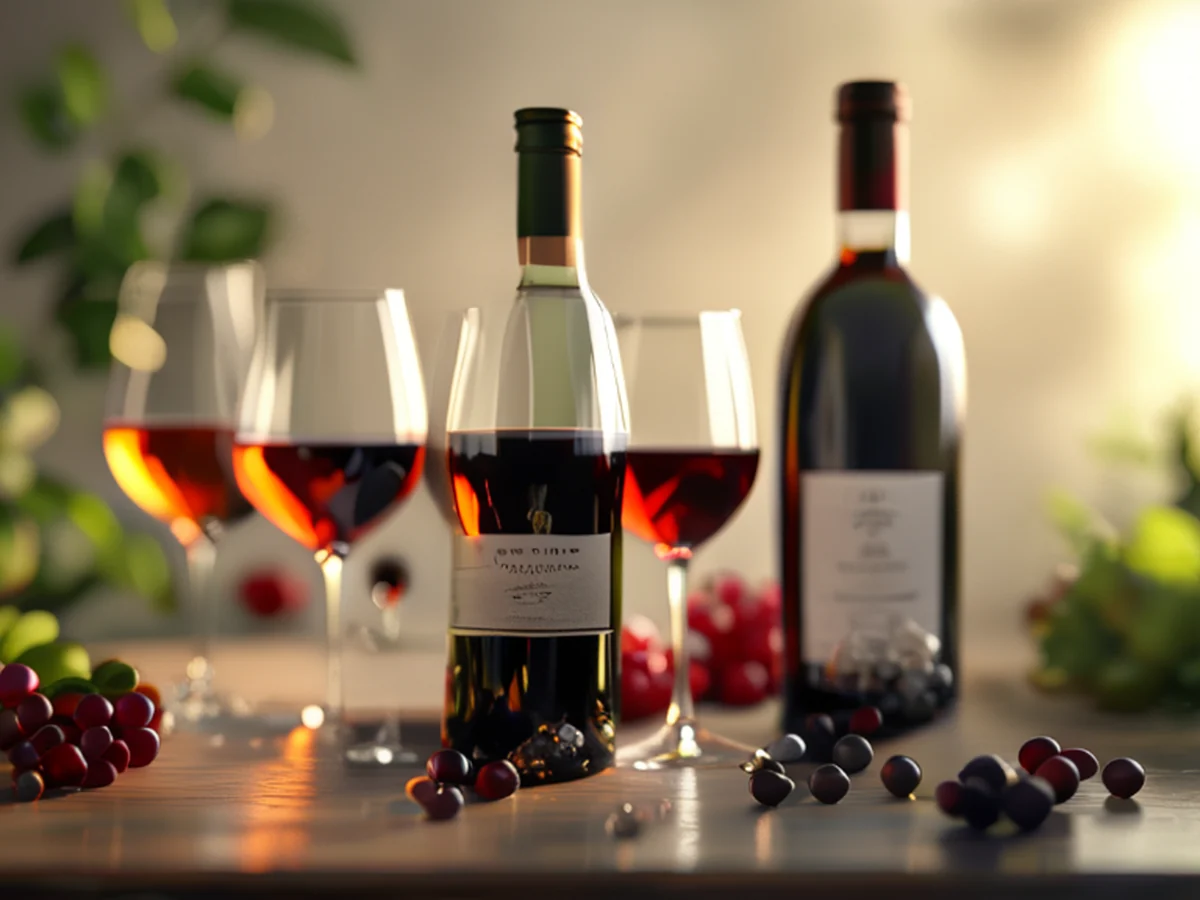
The removal of the label is a critical procedure designed to neutralize the inherent assumptions consumers might hold about a wine based on its origin or cost.
By obscuring the source, the tasting forces the participant to rely entirely on the chemical and aromatic data provided by the liquid itself. This strict adherence to anonymity ensures that the evaluation remains purely sensory and objective.
According to Wikipedia, the Judgment of Princeton was a wine tasting event held on 8 June 2012 during a conference of the American Association of Wine Economists held at Princeton University in Princeton, New Jersey.
This specific type of event uses a controlled environment to ensure that the identity of the producer does not influence the tasters' scores. By removing the visual cues of a famous vineyard or a high price tag, the tasting becomes a pure test of the wine's merits.
The controlled environment includes factors such as temperature regulation and standardized glassware, which are necessary conditions for consistent sensory perception among all participants.
Maintaining a consistent setting prevents external variables from skewing the comparison between the different wines.
- Prepare the samples without visible labels.
- Present the wines to participants in a controlled environment.
- Record individual assessments for later analysis.
How were the wines compared in the Princeton event? Value of blind tasting
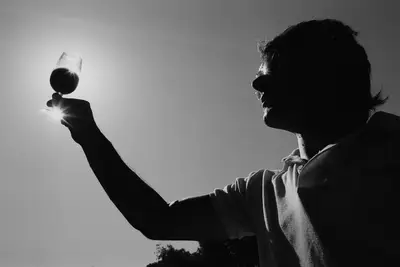
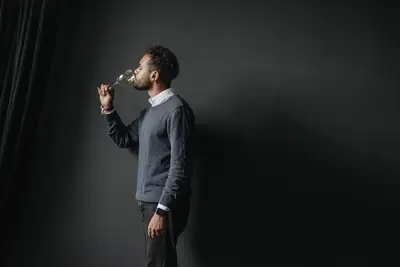
A participant holds a glass of Chardonnay, swirling the liquid to release the aroma before taking a thoughtful sip. The room is silent, focused entirely on the complex notes emerging from the vintage.
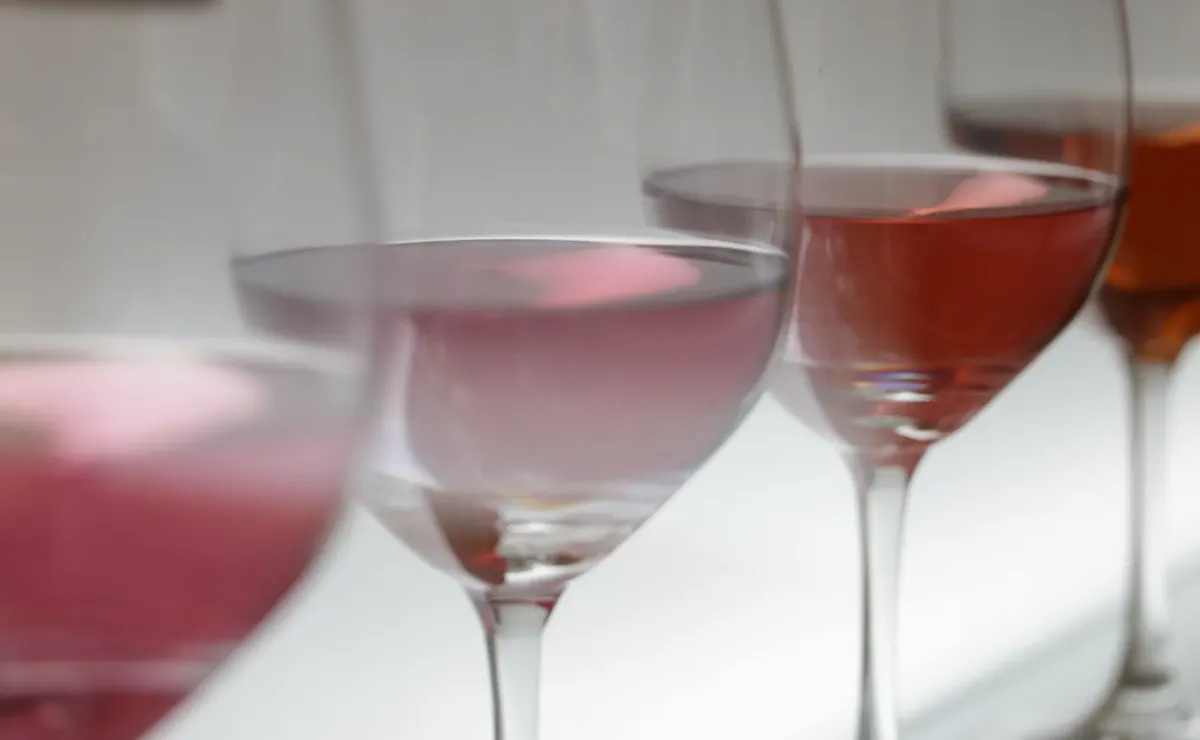
The comparison process begins with the initial swirling, which serves the procedure of aerating the wine and releasing volatile aromatic compounds for evaluation.
The thoughtful sip is not merely a taste but a structured procedure involving the assessment of the wine's texture and balance across the palate.
The Judgment of Princeton, held at Princeton University on Friday, June 8, 2012, was a structured blind tasting of top New Jersey wines against top French wines from Bordeaux and Burgundy. This comparison allowed for a direct evaluation of regional styles against established international standards.
The structure of such an event is designed to test how well local wines can compete with world-renowned regions under identical conditions.
The direct evaluation involves a comparative procedure where tasters must identify similarities and differences between the unknown samples.
This comparison highlights whether the regional characteristics of New Jersey wines align with, or diverge from, the established profiles of Bordeaux and Burgundy.
In this sequence, the second step is the longest.
Which categories were tested? The bright yellow hue of a Chardonnay catches the light, while the deep crimson of a Cabernet Sauvignon sits heavily in the glass. These distinct profiles provide a clear framework for comparative analysis.
The distinct profiles allow researchers to establish a clear condition for comparison, enabling them to contrast the lighter, often fruit-driven characteristics of white wines against the structured, tannic nature of red wines.
The framework provided by the categories ensures that the analysis is systematic rather than arbitrary.

On June 8, 2012, a blind tasting comparing Chardonnay (white) and Cabernet Sauvignon (red) categories from New Jersey with French Bordeaux and Burgundy vintages took place at Princeton University during a four-day conference of the American Association of Wine Economists (AAWE).
This selection of varietals allowed for a broad assessment of both white and red wine characteristics. By selecting specific categories, researchers can observe how regional differences manifest in well-known grape varieties.
The selection of Chardonnay and Cabernet Sauvignon represented a comparison between different structural types, allowing the researchers to assess how regional terroir influences both delicate white wines and robust red wines.
This focused selection provided a clear condition for observing regional strengths in distinct wine types.
Where did the tasting take place?
The heavy wooden doors of the auditorium swing shut, muffling the sounds of the campus outside. Inside, the atmosphere is academic and focused on the task of sensory evaluation.
The auditorium setting provided a formal condition for the gathering, emphasizing that the event was a scientific endeavor rather than a commercial promotion.
The academic atmosphere fostered a level of concentration necessary for the detailed sensory evaluation required by the blind tasting methodology.
The event took place in an auditorium at Princeton’s Woodrow Wilson School of Public and International Affairs as part of the American Association of Wine Economists’ annual meeting. This setting provided a formal venue for the professional gathering of economists and wine experts.
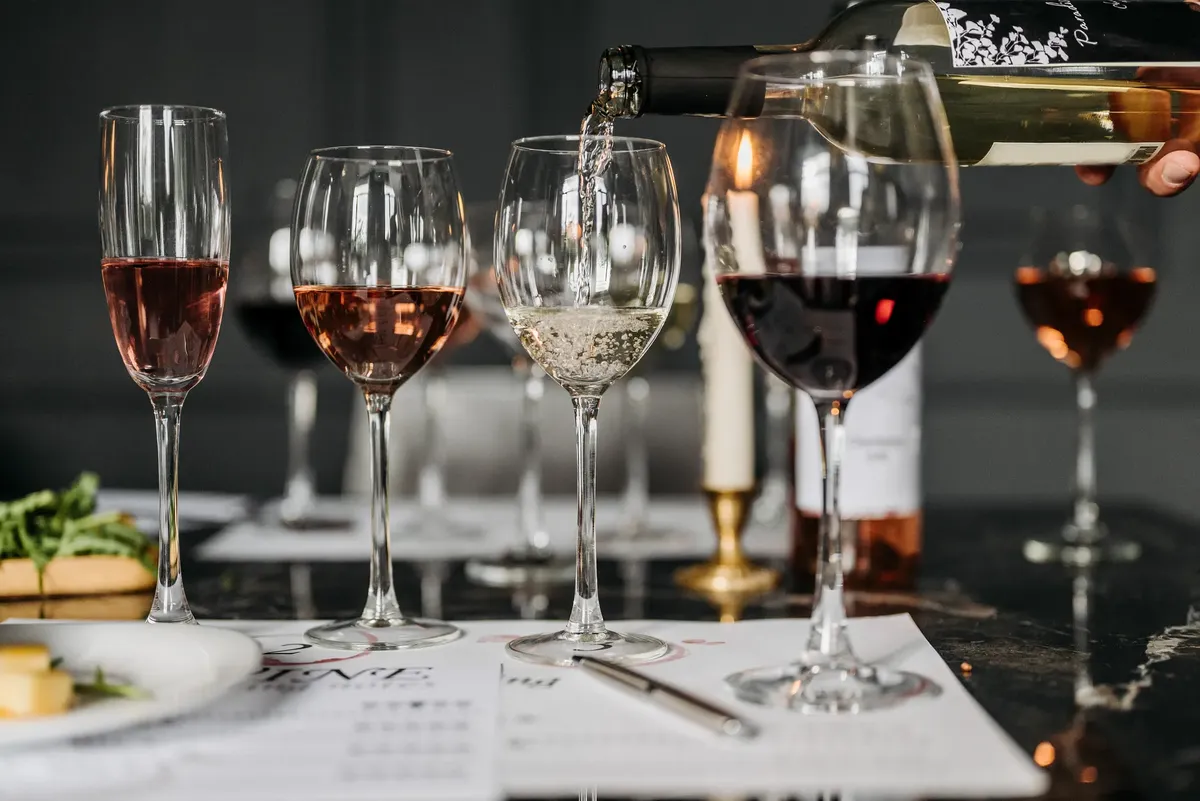
Using a university auditorium ensures a neutral ground where the focus remains on the data and the sensory experience rather than commercial interests.
The use of a neutral ground is a critical condition that supports the integrity of the blind tasting, ensuring that the perceived quality of the wine is not influenced by the perceived prestige of the location or the sponsoring institution.
How is the data used after the tasting?
A researcher sits at a desk, carefully inputting numbers into a spreadsheet to capture the results of the tasting. The data represents the collective voice of the participants.
The inputting of numbers is a procedural step that translates subjective sensory observations into quantifiable data points. This quantification is necessary to move the assessment from anecdotal observation to measurable scientific evidence.
The event also included other members of the American Association of Wine Economists, who then posted the data set from the tastings online as an open invitation to further analysis. This transparency allows the broader scientific community to verify findings and conduct secondary studies.
Sharing the data ensures that the results of the blind tasting are not just anecdotal but can be scrutinized through rigorous statistical methods.
The posting of the data online is a procedural step that fulfills the condition of transparency, allowing outside experts to replicate or challenge the initial findings.
Rigorous statistical methods are employed to ensure that the observed differences between the wine categories are genuinely significant and not merely due to random variation in the tasting process.
| Tasting Category | Comparison Group |
|---|---|
| Chardonnay (White) | New Jersey vs. French Burgundy/Bordeaux |
| Cabernet Sauvignon (Red) | New Jersey vs. French Burgundy/Bordeaux |
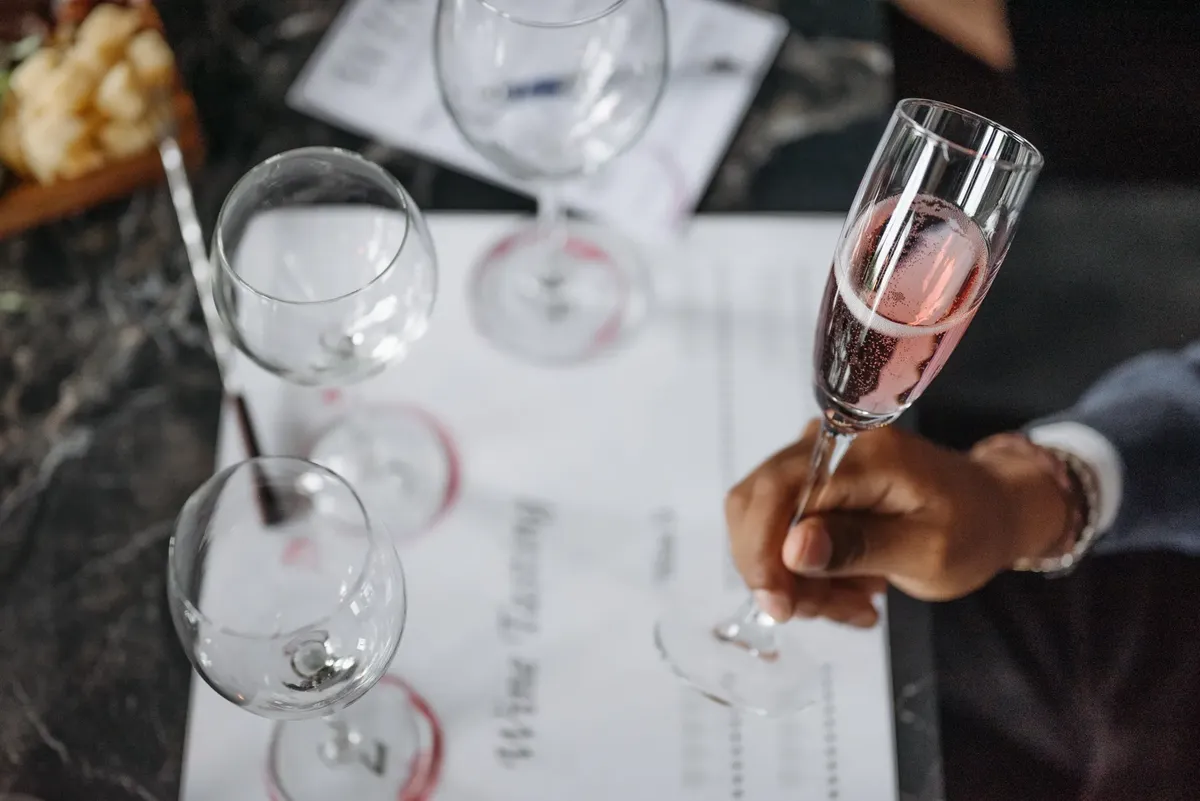
I observed how the structured nature of the Princeton event allowed for a clear comparison between different regional vintages.
The limitation of these findings is that they represent a specific snapshot in time during a single conference rather than a permanent market-wide shift.
This limitation serves as a caution, indicating that the results should be interpreted within the context of the specific conditions of the 2012 event.
The subject here is Value of blind tasting.
The same subject is also called Blind tasting importance.
The same subject is also called Fair wine evaluation.
The same subject is also called Wine quality comparison.
The same subject is also called Objective wine tasting.
This part also covers Building market trust.
This part also covers Fair wine market growth.
Building market trust
Related


Comments 0