How to choose wine by grape for a refreshing experience?
"The low-alcohol wine movement is no longer about compromise—it's about choice, wellness, and discovering that great wine doesn't need to be 14% ABV to be delicious."
This 2026 fresh wine trends guide focuses on selecting flavorful bottles within the 5.5-11% ABV range for those prioritizing moderation or lighter profiles. You will learn how to identify complex profiles, compare nutritional data, and use specific grape characteristics to guide your next purchase.
This guide covers variety selection, lifestyle-friendly options, and the limitations of low-alcohol profiles.
How to navigate the 2026 fresh wine trends guide?
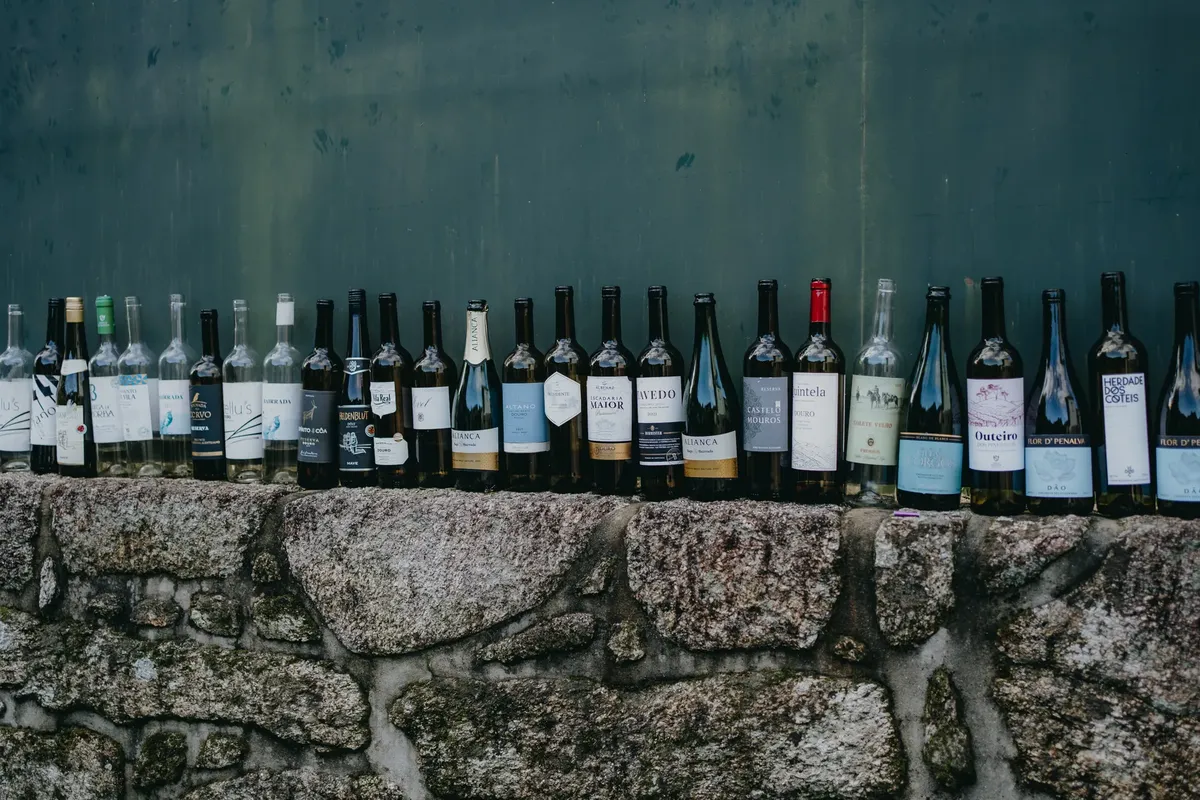
A hand reaches for a slender bottle of white wine in a sunlit tasting room. Selecting the right bottle requires understanding how alcohol content affects flavor perception and mouthfeel.
According to the National Academy of Sciences, chemical and sensory analysis of the surviving liquid found that the cold (2–4 °C), dark, and low-salinity seabed conditions had preserved the wine's aroma compounds in an unusually fresh, youthful state.
The low-alcohol wine movement offers a way to enjoy nuanced flavors without the heavy impact of high-ABV drinks. These wines, typically ranging from 5.5% to 11% ABV, provide complexity and satisfaction for those practicing moderation or seeking daytime-friendly options.
Choosing a bottle involves matching the acidity and sweetness to your palate while managing the lighter body.
- Identify your preferred flavor profiles, such as crisp acidity or fruity notes.
- Cross-reference your preferences with the emerging varietals of the season.
- Select bottles that balance modern trends with your personal palate.
What will the hottest white wine trends be in 2026?
As the warm breeze hits my face on the seaside terrace, I reach for a glass to choose a bright, mineral-driven white. A glass of pale, sparkling liquid catches the light on a seaside terrace. Seeking brightness and acidity defines much of the current movement in white wine.
The search for crispness leads many toward specific European regions. For example, Txakoli from Spain offers citrus zest and saline minerality with a light spritz, making it an ideal seaside choice.
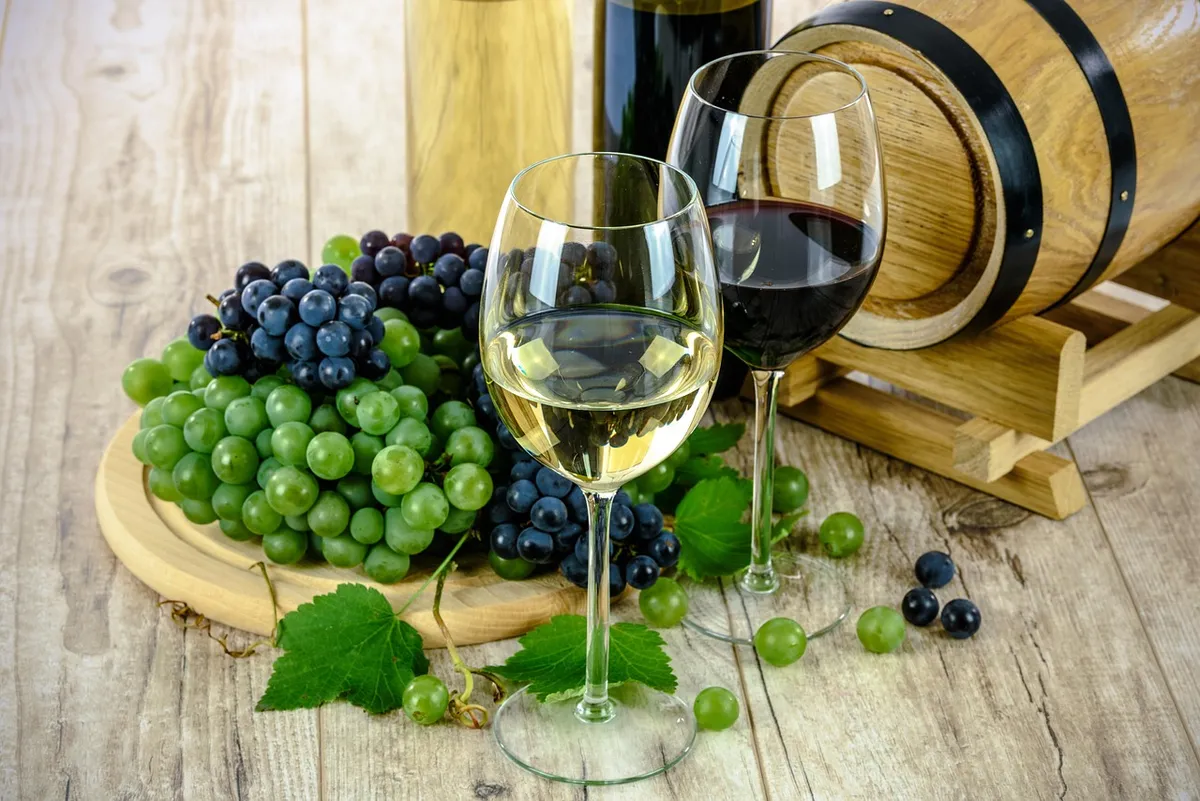
German Riesling Kabinett, with an 8-9% ABV, provides lime and slate minerality to prove that low alcohol does not necessitate low complexity.
Expect a shift toward ultra-crisp, mineral-driven whites and aromatic varieties that emphasize natural brightness.
How to choose wine by grape for a refreshing experience?
A chilled bottle of Vinho Verde sits in an ice bucket during a warm afternoon. Evaluating the grape's natural characteristics helps in finding the perfect balance of sweetness and acidity.
When looking for a refreshing drink, consider the natural effervescence of certain varieties. Vinho Verde from Portugal provides a crisp citrus and green apple profile with a slight effervescence. For a sweeter, celebratory note, Asti Spumante offers peach and floral notes with full bubbles.
| Wine Variety | ABV Range | Key Flavor Notes |
|---|---|---|
| Moscato d'Asti | 5.5% | Peach, apricot, honey |
| Txakoli | 9-11% | Citrus zest, green herbs |
I found that checking the ABV on the label is the first step toward a successful tasting.
Look for high-acid grapes like Sauvignon Blanc or Pinot Grigio to ensure a clean, refreshing finish.
What are the best fresh red wine options for me? A cork is pulled from a bottle of Beaujolais, releasing a fruity aroma into the air. Even within the lower alcohol spectrum, red wine lovers can find juicy, light-bodied options.
Red wine enthusiasts can explore varieties like Lambrusco, which offers red berries and violets with a slight fizz. Beaujolais, made from Gamay grapes, provides a light body and juicy acidity, making it perfect when served slightly chilled.
These options prove that a lighter alcohol content can still deliver a satisfying red wine experience.
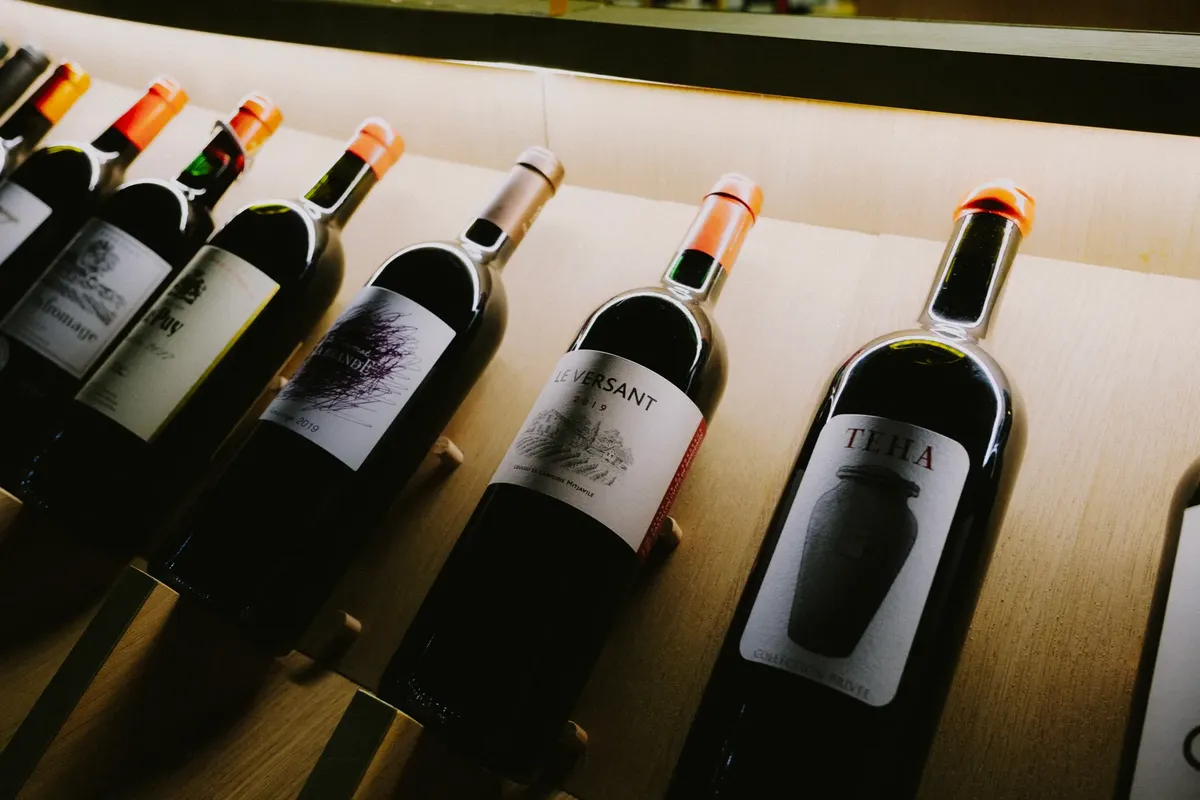
Light-bodied reds such as Gamay or Pinot Noir offer a refreshing alternative to heavy, tannic wines.
Can you find richness in a low-alcohol white wine?
A person swirls a glass of Pinot Gris, noticing its golden hue and rich texture. Complexity does not always require high alcohol levels to be present in the glass.
Alsace Pinot Gris, sitting at 10-11% ABV, offers ripe pear and almond notes with a rich texture. This variety demonstrates how balanced acidity can maintain a sense of luxury. For those who prefer fruit-forward profiles, Frizzante Rosé provides strawberry and watermelon notes with gentle bubbles.
Yes, certain white wines can provide a full mouthfeel through texture and acidity rather than high alcohol content.
What are the nutritional facts of table wine?
A nutrition label is scanned carefully under a bright kitchen light. Understanding the caloric and mineral content of your drink is part of mindful selection.
According to USDA FoodData Central, all table wines contain 83kcal per 100g, with red wine containing 85kcal per 100g. The mineral breakdown for all table wine includes 0.37mg of iron, 11mg of magnesium, 5mg of sodium, 1ug of folate, 8mg of calcium, 99mg of potassium, and 0.13mg of zinc.
Red wine specifically contains 0.46mg of iron, 12mg of magnesium, 4mg of sodium, 1ug of folate, 8mg of calcium, 127mg of potassium, and 0.14mg of zinc.
Is low-alcohol wine still flavorful?
Yes, low-alcohol wines (typically 5.5-11% ABV) can be just as complex, flavorful, and satisfying as their higher-alcohol counterparts.
Does low alcohol mean low complexity?
No, varieties like German Riesling Kabinett prove that low alcohol does not mean low complexity.
The selection of wine depends on personal preference for sweetness, acidity, and body, though limited alcohol levels may result in a lighter mouthfeel compared to traditional high-ABV wines.
Table wine typically contains minimal carbohydrates and fats, with calories primarily derived from alcohol content.
The subject here is 2026 fresh wine trends guide.
The same subject is also called new wine trends 2026.
The same subject is also called wine grape selection guide.
The same subject is also called fresh wine choosing tips.
The same subject is also called wine variety selection 2026.
This part also covers best white wine trends 2026.
This part also covers recommended fresh wine list.
Related


Comments 0