Wine vintage quality guide: How temperature impacts wine
"A great wine is not merely a product of the grape, but a snapshot of a specific moment in time, captured through fermentation and aging."
Choosing the right wine vintage involves understanding that most wines are meant for immediate enjoyment rather than long-term aging. This guide explores how much wine actually improves over time, the technical factors of production, and the reality of aging potential.
Key takeaways include the fact that only a small fraction of wines benefit from aging, the role of temperature in production, and the relationship between sugar and alcohol.
How does vintage impact wine quality over time?
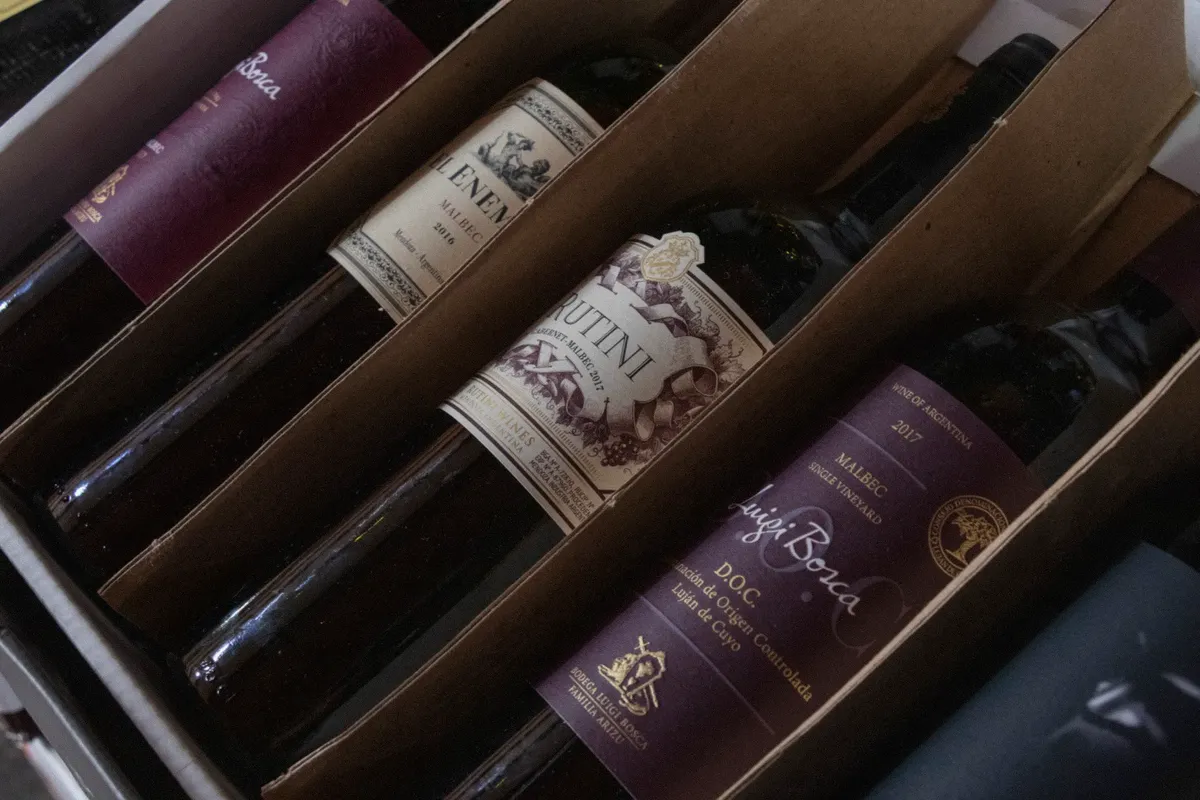
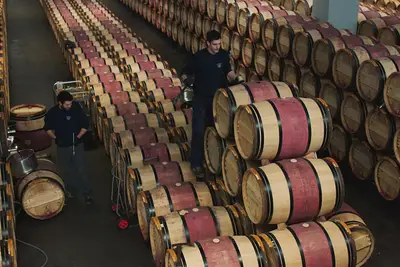
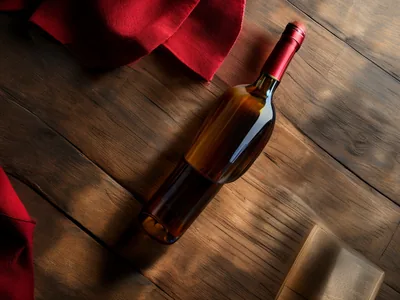
A person stands in a dim cellar, peering at a dusty bottle from five years ago, wondering if the liquid inside has matured or merely decayed. While many believe that older is always better, the reality of vintage impact on wine is much more selective.
The biological transformation of wine is highly variable depending on the grape and the winemaking process. According to technical data, only about 10% of all red and 5% of white wine will taste better after five years than they will after just one year.
This means the vast majority of bottles are intended for consumption shortly after they are bottled.
The selection process requires knowing which wines are built for the cellar. Most wines are crafted to be enjoyed in their youth, where the fruit profiles are most vibrant.
Selecting quality old vintages requires identifying specific varietals or styles designed for longevity, though most commercial wines do not fall into this category.
What are the technical factors of wine production? Wine vintage quality guide
At midnight in the cool winery, I watch the bubbling fermentation and smell the sharp aroma of the emerging wine.
A winemaker carefully monitors the temperature of a stainless steel tank, ensuring the environment remains stable for the yeast. Understanding these variables is essential for those interested in how vintage impact on wine begins at the source.
The chemical conversion of sugar is the fundamental driver of alcohol content. For every gram of sugar that is converted, about half a gram of alcohol is produced, so to achieve a 12% alcohol concentration, the must should contain about 24% sugars.
This balance determines the structure of the wine from the very beginning.
Temperature plays a critical role in stability and flavor extraction. For red wines, the temperature is typically 22 to 25 °C, while for white wines, it is usually 15 to 18 °C. These specific ranges help manage the fermentation process and the extraction of tannins and aromatics.
How can you manage the aging process?
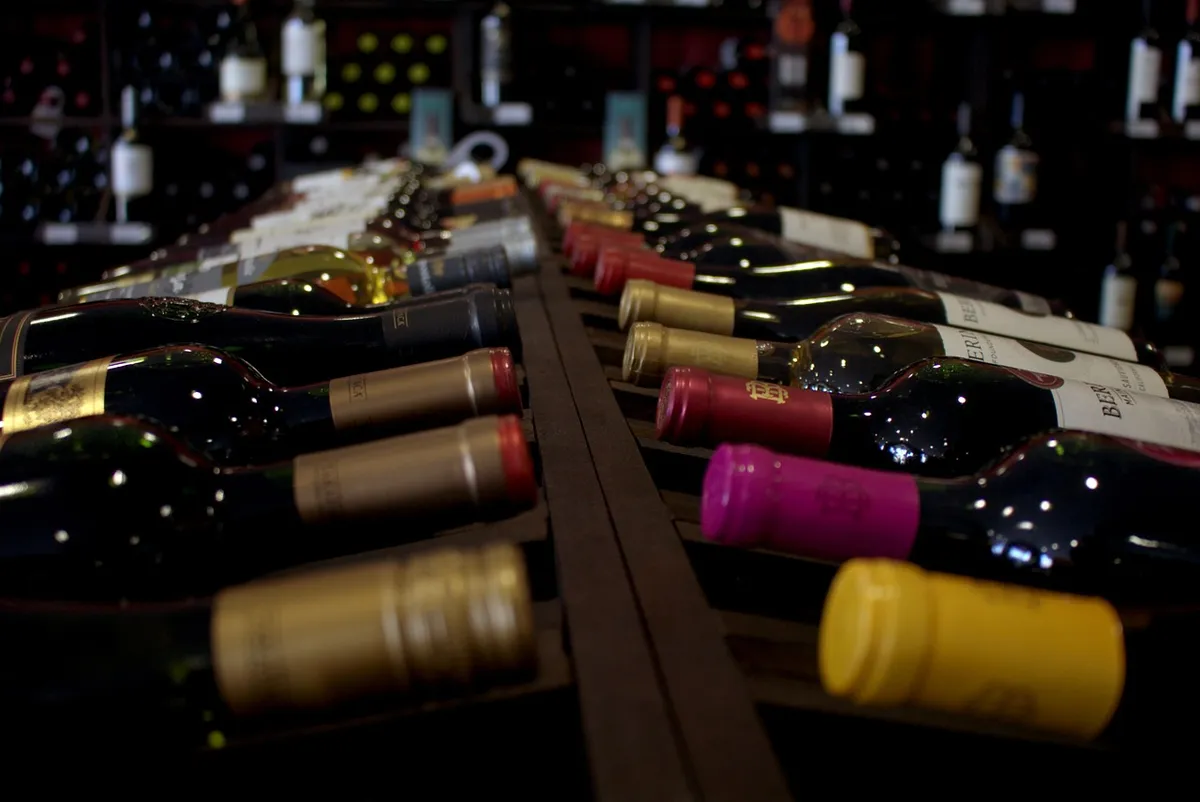
A collector carefully rotates a bottle on a wooden rack, checking for sediment that might have settled over the months. Managing the aging process involves understanding how different techniques affect the clarity and taste of the wine.
In some production methods, bottles spend 6 months on a riddling rack before being disgorged to remove any sediment that has accrued. This process is vital for sparkling wines to ensure they are clear when they reach the consumer.
Some white wines undergo a different process to enhance flavor. In some circumstances, winemakers choose to crush white grapes for a short period of skin contact, usually for three to 24 hours. This brief contact can influence the color and texture of the final product.
What are the nutritional components of wine?
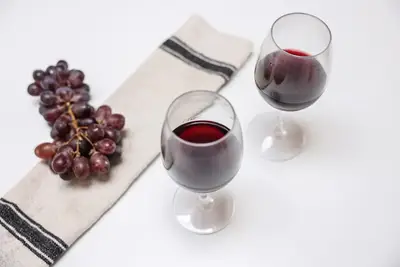
A diner examines the label of a glass of red wine, noting the different elements that make up the beverage. While wine is a complex organic product, it also contains specific nutritional components.
According to USDA FoodData Central, red wine contains 0.46mg of iron and 12mg of magnesium per 100g. It also contains 4mg of sodium, 1ug of folate, 8mg of calcium, 127mg of potassium, and 0.14mg of zinc.
For comparison, all types of table wine contain 0.37mg of iron and 11mg of magnesium per 100g. It also contains 5mg of sodium, 1ug of folate, 8mg of calcium, 99mg of potassium, and 0.13mg of zinc.
How is alcohol content determined?
A technician adjusts the yeast levels in a fermentation vessel to reach a specific target. The relationship between sugar and alcohol is a primary focus when determining the final strength of a vintage.
While standard fermentations follow a predictable path, some yeasts are more robust. Alcohol of more than 12% can be achieved by using yeast that can withstand high alcohol levels. This allows for the production of stronger, more structured wines.
Extra sugar can also be a factor in higher alcohol levels. Some yeasts can produce 18% alcohol in the wine; however, extra sugar is added to produce a high alcohol content. This is a specialized technique used to reach specific stylistic goals.
How do you select the best wine year?
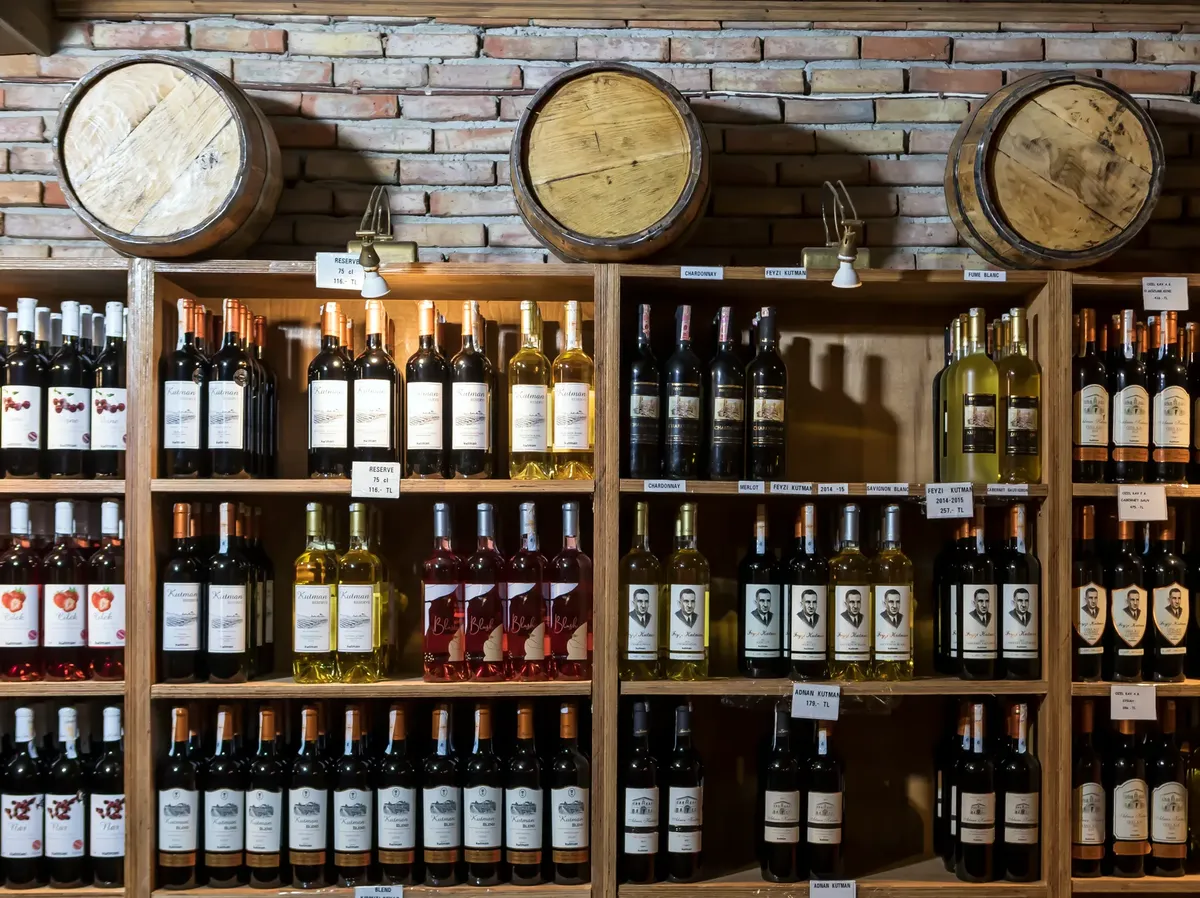
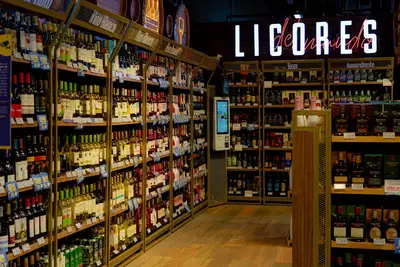
A shopper looks at a row of bottles from different years, trying to decide which one to bring home. Selecting the best wine year requires balancing personal preference with the technical reality of the bottle's age.
What percentage of wine improves with age?
Only about 10% of all red and 5% of white wine will taste better after five years than they will after just one year.
What is the typical temperature for red wine?
For red wines, the temperature is typically 22 to 25 °C.
The selection of a wine vintage is limited by the fact that the vast majority of wines do not improve significantly after five years.
What conditions affect the wine's structure? 1. The conversion of sugar into alcohol fundamentally dictates the wine's structure from its initial stages. 2. A specific balance of sugar content in the must is necessary to achieve a desired alcohol concentration. 3. Temperature management during fermentation influences how tannins and aromatics are extracted into the wine. 4. The initial grape varietal and the chosen winemaking process determine the wine's biological transformation potential.
When should one consider a wine's aging potential? 1. One should consider the wine's aging potential when selecting a great wine, recognizing that most are made for immediate enjoyment. 2. Identifying specific varietals or styles designed for longevity is necessary when seeking quality old vintages. 3. The fact that only a small fraction of wines benefit from aging should guide purchasing decisions. 4. The relationship between sugar and alcohol sets the initial framework for the wine's eventual character.
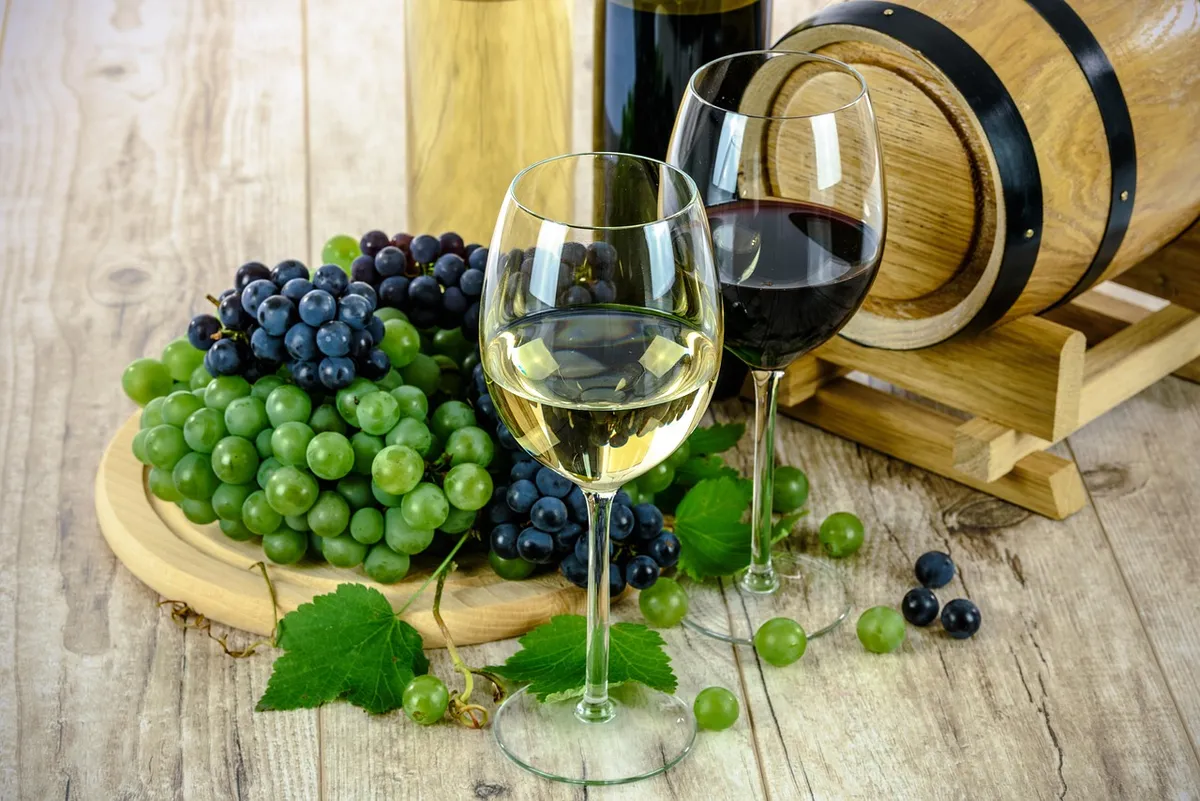
The careful monitoring of tank temperature allows the winemaker to maintain a stable environment for the yeast during fermentation. This stability is crucial for managing the chemical conversion of sugar into alcohol effectively.
For sparkling wine, the riddling rack procedure serves to ensure the final product is clear for the consumer after sediment has settled. This careful management of the aging process impacts the wine's final presentation and taste.
When comparing the nutritional profiles, the slight differences in iron and magnesium between red wine and table wine illustrate the subtle variations present in these complex organic products.
The subject here is Wine vintage quality guide.
The same subject is also called Best wine year selection.
The same subject is also called Choosing old wine quality.
The same subject is also called Past wine quality factors.
This part also covers Expert analysis wine age.
This part also covers How vintage affects taste.
Expert analysis wine age
Related


Comments 0