Wine tasting for better choice: Guide to temperature
"The nuances of flavor, temperature, and acidity are often hidden until the moment the cork is pulled and the liquid meets the glass."
Wine tasting is the essential practice of evaluating sensory characteristics to make better purchasing and pairing decisions. By understanding how temperature and volume affect the liquid, you can select the right bottle for any occasion.
This guide covers temperature management, volume standards, and the importance of sensory evaluation.
Why is wine tasting for better choice so vital?
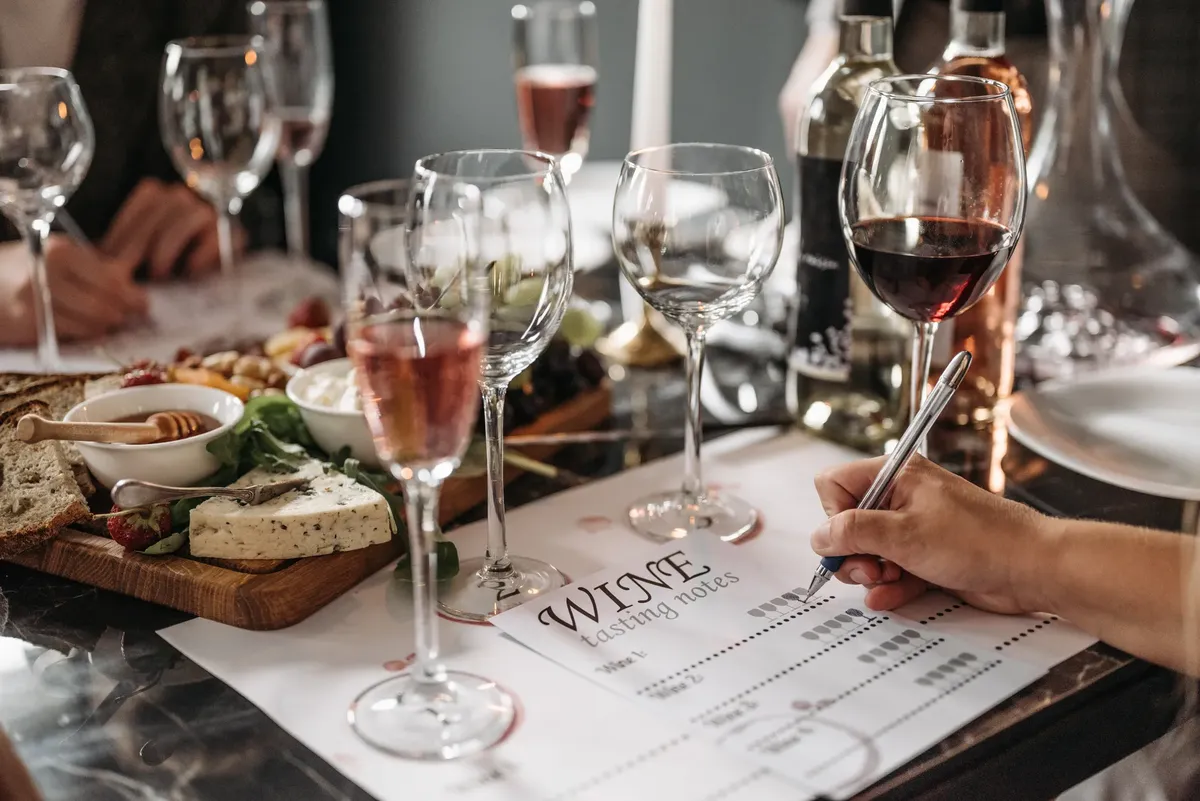
A person holds a glass, swirling the liquid to release aromas before taking a thoughtful sip. This process allows a drinker to identify the balance between acidity, sugar, and alcohol, which informs future purchases.
The sensory experience provides a roadmap for understanding how a specific vintage will behave. For instance, knowing the chemical makeup helps in anticipating how much sweetness or acidity will hit the palate.
According to USDA FoodData Central, red table wine contains 0.46mg of iron and 127mg of potassium per 100g, while all table wines contain 11mg of magnesium. These subtle components contribute to the overall mouthfeel and body of the wine.
Understanding these profiles ensures that a buyer does not just pick a label but selects a profile that matches their preference. Identifying these traits through tasting is the first step toward mastery.
How wine tasting helps pairing with temperature control?
A waiter places a chilled bottle on a table, carefully monitoring the room temperature to ensure the service is perfect. If the room is too warm, the delicate balance of the wine shifts immediately.
Proper temperature is a key element of effective wine tasting for better choice. When wine is served too warm, the alcohol can become overly dominant and distracting. According to technical data, alcohol begins to evaporate noticeably over 20 °C (68 °F).
In sparkling wines, the carbon dioxide is released too quickly at temperatures of about 18 °C (64 °F), which can ruin the effervescence.
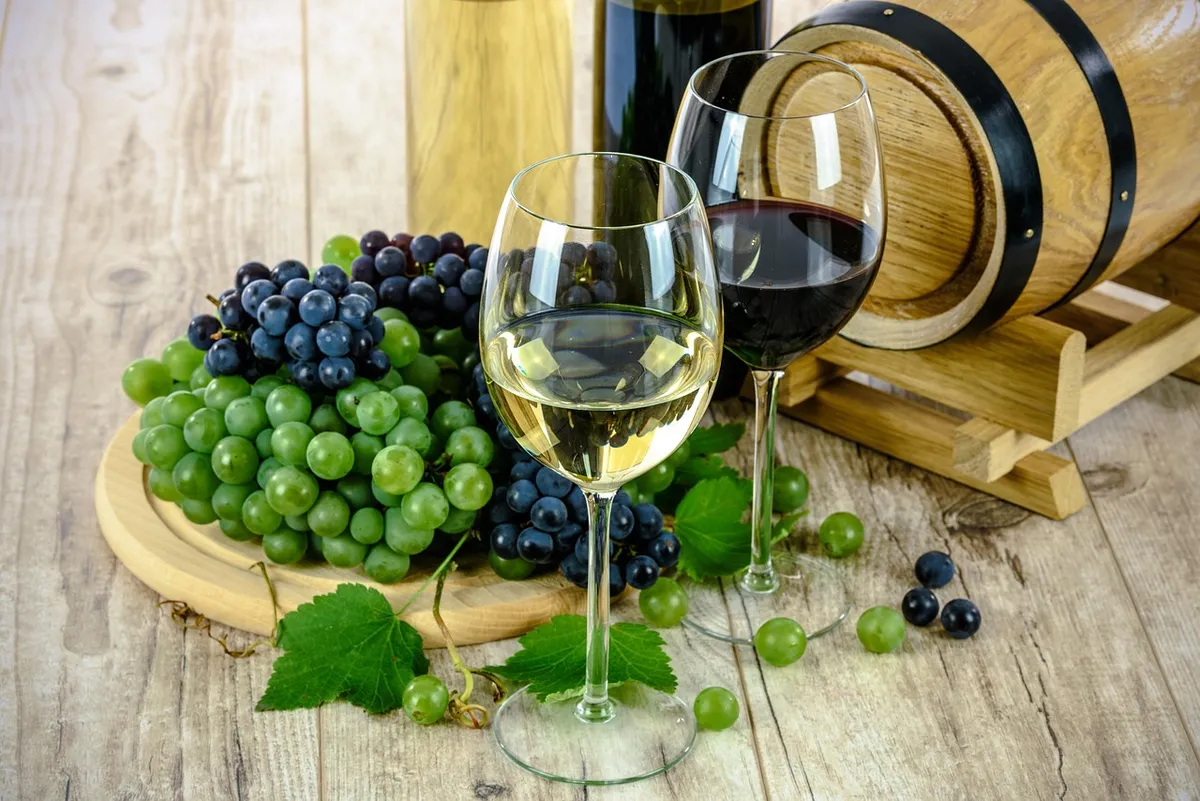
The goal of pairing is to match the wine's intensity with the food's weight. If the wine is too warm, it may clash with heavy dishes, making the alcohol feel heavy rather than refreshing. Proper temperature management preserves the intended structure.
What are the importance of wine tasting standards for volume?
A sommelier measures a pour into a standard glass, ensuring the volume is consistent for every guest at the table. Precise measurements allow for a consistent tasting experience across multiple servings.
The standard volume of a wine bottle is 75cl, though they can range from 18.7cl to 18 liters. In the United States, the transition to metric standards meant the basic wine bottle became 750 mL, similar to European standards.
This consistency allows tasters to calculate how many servings a bottle provides.
| Bottle Type | Standard Volume |
|---|---|
| Standard Bottle | 75cl |
| Large Format | Up to 18 liters |
Using consistent volumes helps in comparing different wines under the same conditions. A single sip from a 75cl bottle provides a baseline for evaluating quality.
Guide to wine selection through chemical understanding
A collector examines the clarity and viscosity of a dark red liquid in a crystal glass. They look for how the light hits the liquid to judge its age and density.
A guide to wine selection requires understanding how heat affects the chemical composition of the liquid. Ethanol evaporates at 78 °C (172 °F). When wine is heated past this point, it likely loses much of its alcohol content, and its acidity and sugars become more prominent.
This change can drastically alter the intended flavor profile.
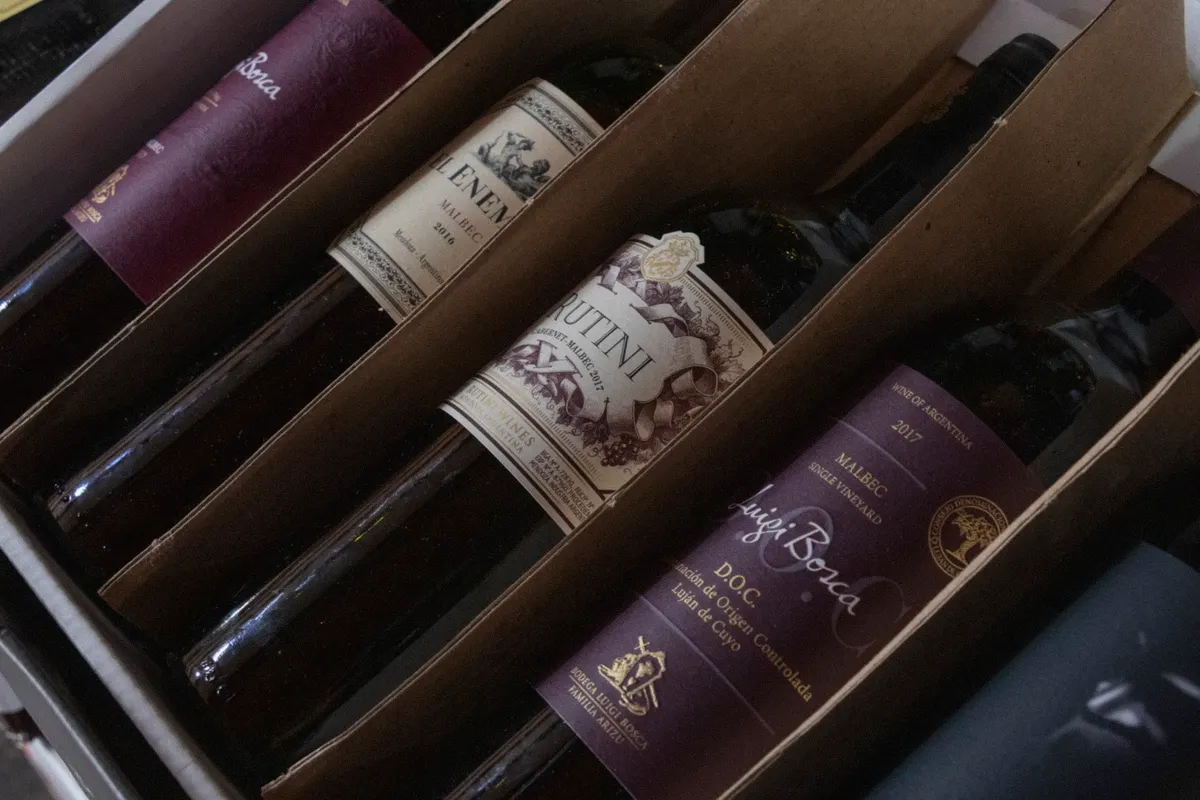
By recognizing these shifts, a consumer can avoid bottles that have been stored improperly. Understanding the relationship between heat and evaporation is vital for preserving the integrity of the wine.
Advanced tasting standards and storage
A person carefully moves a bottle from a temperature-controlled cellar to a serving area. They check the humidity levels to ensure the cork remains intact and the wine stays stable. According to the FDA, the US officially banned lead foils on domestic and imported wine bottles as of 1996.
Advanced tasting standards involve recognizing the impact of long-term storage on flavor. The ideal temperature for wine storage is 12–13 °C (54–55 °F) with a humidity of 65–70%. Maintaining these specific conditions prevents the premature aging or spoilage of the wine.
When the environment is controlled, the wine's characteristics remain stable for tasting. If storage conditions fluctuate, the nuances of the fruit and tannins may be lost.
How to manage wine tasting for better choice at home?
A host prepares a flight of different wines on a wooden tray, setting out glasses for guests. They ensure the environment is prepared before the first bottle is opened.
To practice effective wine tasting for better choice at home, follow these steps:
- Control the temperature: Ensure red wines are slightly below room temperature and whites are well-chilled to prevent alcohol dominance. 2. Use appropriate glassware: Select glasses that complement the body of the wine to concentrate aromas. 3. Observe the visual and aromatic cues: Swirl the glass to aerate the wine and check for clarity or sediment.
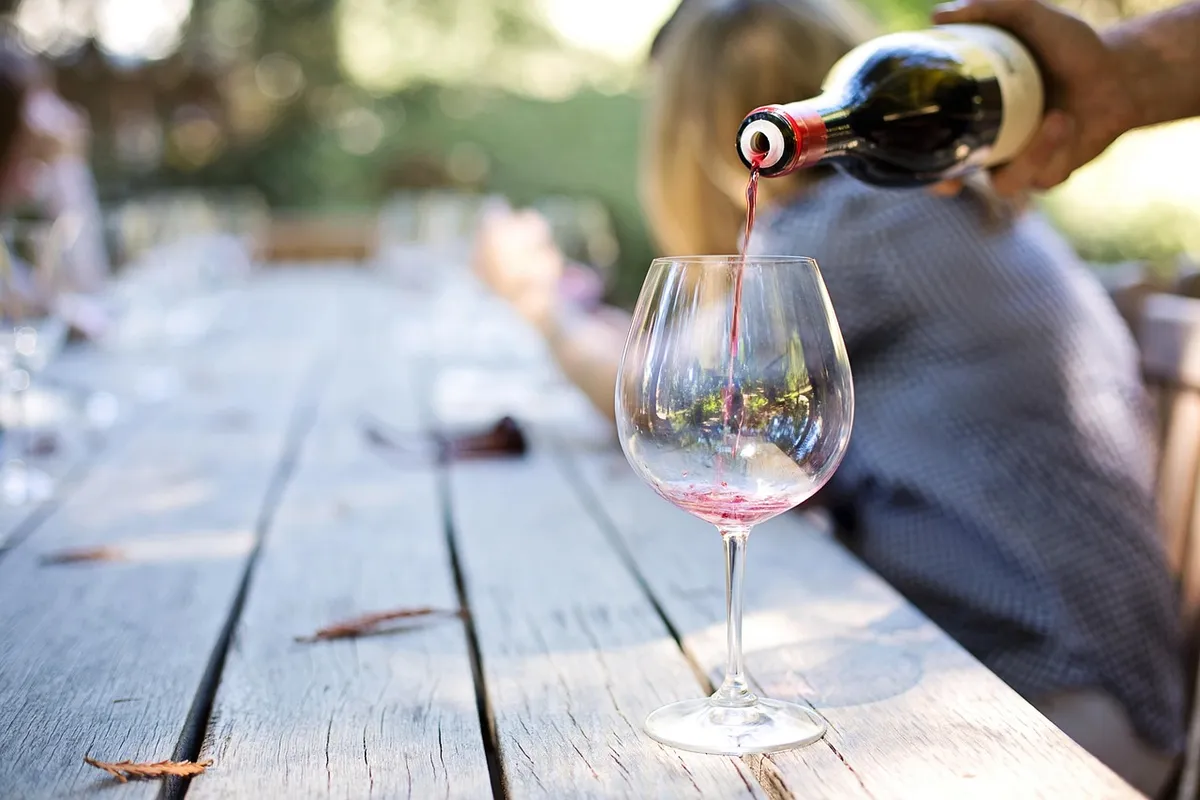
A final check involves tasting a small amount first to ensure the wine is not corked or oxidized before serving others. This routine ensures a high-quality experience for everyone involved.
I once practiced these steps by chilling a bottle to exactly 12 °C to see how it changed the fruit profile.
A limitation of these methods is that they cannot fully compensate for wines that have already undergone significant chemical degradation due to extreme heat.
- Why is wine tasting for better choice so vital?
- How wine tasting helps pairing with temperature control?
- What are the importance of wine tasting standards for volume?
Related
How does storage condition affect the nuances of flavor? Maintaining stable storage conditions prevents the premature aging or spoilage of the wine, which directly impacts the nuances of flavor. Fluctuations in the environment can cause the wine's characteristics to change, leading to a different tasting experience. The ideal temperature for wine storage is 12–13 °C (54–55 °F) with a humidity of 65–70% to keep the wine stable.
When the wine's environment is controlled, the tannins and fruit characteristics remain stable for tasting. Conversely, if storage conditions fluctuate, the subtle nuances of flavor may be lost before the consumer ever opens the bottle.
This highlights the importance of proper cellar management for preserving quality.
What are the cautions regarding volume and tasting? Consistent volumes allow tasters to compare different wines under identical conditions, which is crucial for accurate evaluation. A single sip from a standard 75cl bottle establishes a baseline for judging quality. Using appropriate glassware also helps concentrate the aromas, aiding in the sensory evaluation process.
When practicing at home, a final check involves tasting a small portion first to confirm the wine is not oxidized or corked before serving the group. This precautionary step ensures the entire group receives a high-quality experience, respecting the intended nuances of flavor.
Proper temperature management preserves the intended structure of the wine. If the wine is served too warm, the alcohol can become overly dominant and distracting, overshadowing the subtle nuances of flavor.

Comments 0