French wine region styles: How regional identity shapes wine
"The landscape of French viticulture is defined by strict boundaries and historical heritage, where every bottle tells a story of geography."
Understanding French wine regions requires a grasp of the regulatory hierarchy that governs how grapes are grown and labeled. This guide explores the different production categories, such as AOC and Vin de Pays, to clarify how regional identity shapes the wine in your glass.
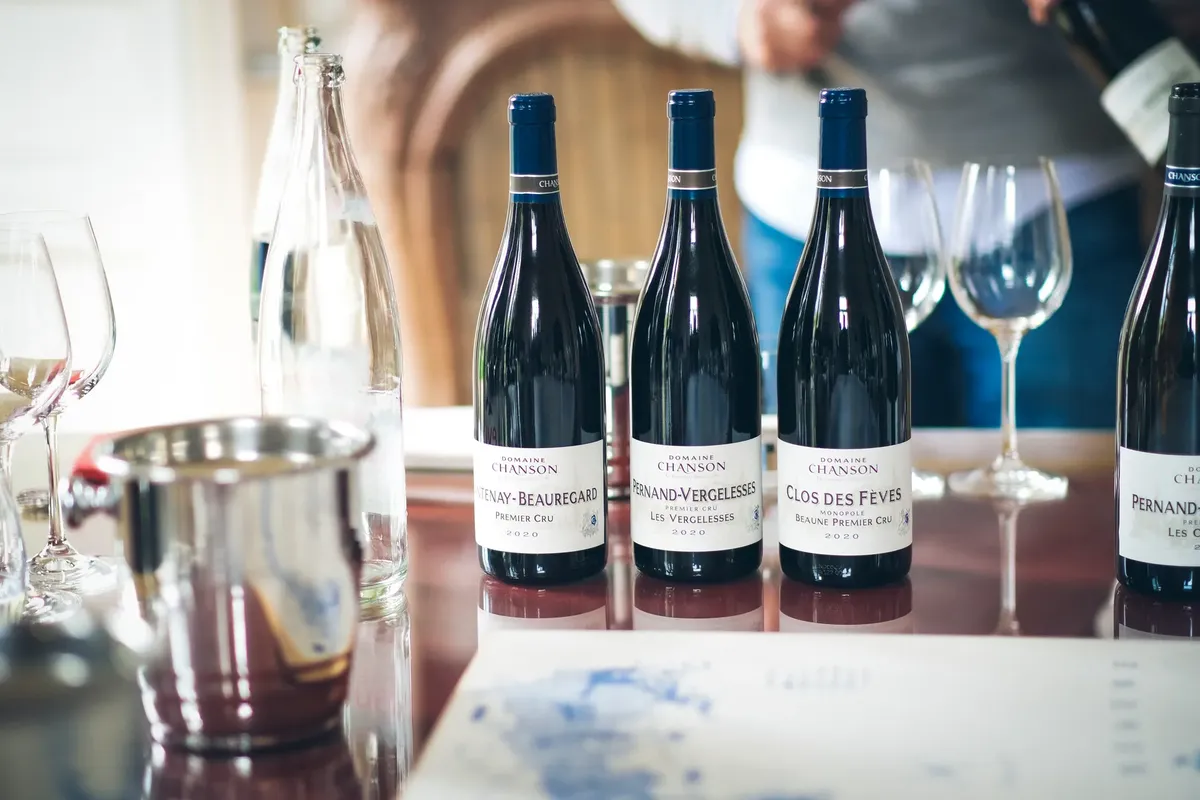
Key takeaways include the dominance of the AOC classification, the role of specific regional designations, and the historical production splits between red and white varieties.
What defines French wine region styles?
At sunset, the sommelier swirls a heavy glass of dark wine, breathing in the sharp scent of a specific french terroir.
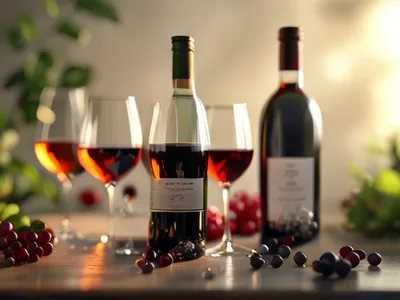
A sommelier pours a deep red liquid into a crystal glass, noting the label's specific designation. The regulatory framework determines the character of these wines, with the Institut National des Appellations d'Origine (INAO) managing the recognized wine-producing areas in France.
This oversight ensures that regional identity remains consistent across different vintages.
According to Wikipedia, for the 2005 vintage, the Appellation d'origine contrôlée (AOC) accounted for 53.4% of the total French production, excluding wines for brandies.
This category represents wine from a particular area with many other restrictions, including grape varieties and winemaking methods. This high percentage shows how much of the industry relies on these strict geographic rules.
How do different categories compare?
A collector compares two bottles, one labeled with a broad origin and another with a precise sub-region. The differences in production shares reflect the various levels of regulation and regional focus. Understanding these proportions helps in navigating a wine list effectively.
| Category | Production Share (2005 Vintage) | Primary Characteristic |
|---|---|---|
| Vin de Pays | 33.9% | Specific region within France |
| Vin de Table | 11.7% | Only producer and France designation |
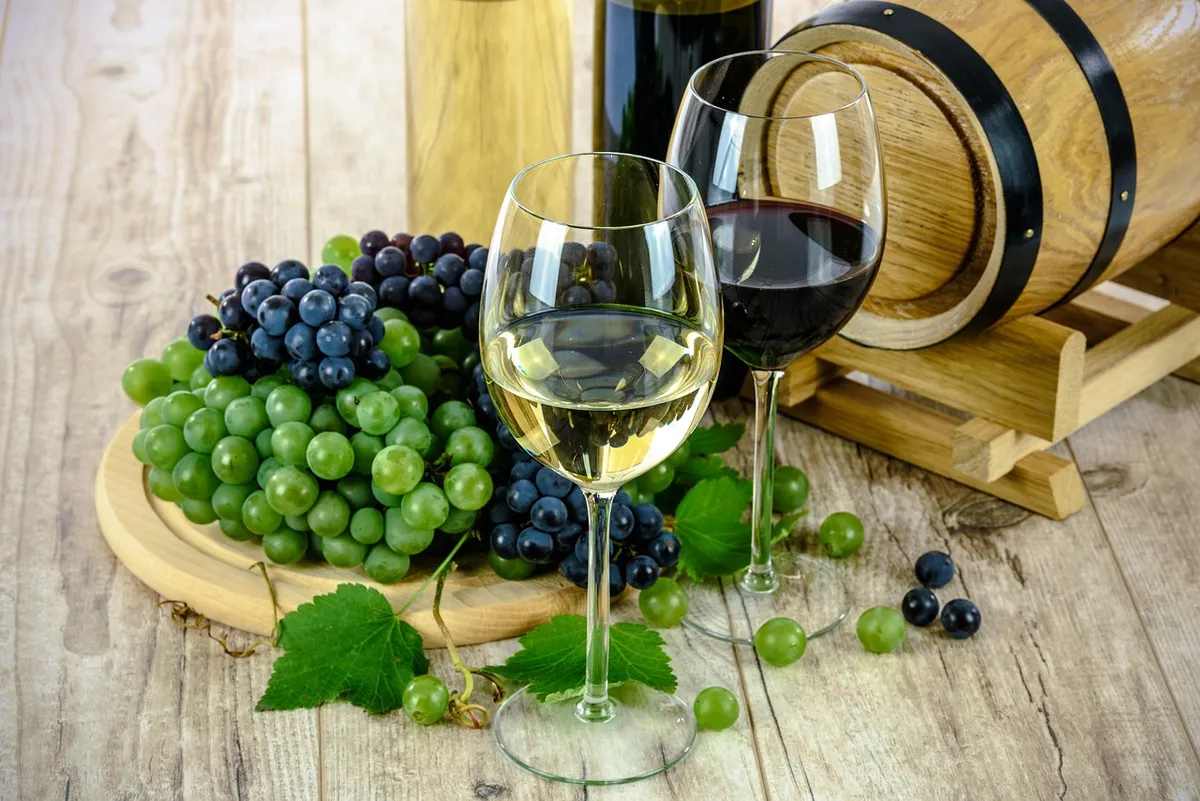
The Vin de Pays category carries a specific region within France, such as Vin de Pays d'Oc from Languedoc-Roussillon or Vin de Pays de Côtes de Gascogne from Gascony. These wines are subject to less restrictive regulations than AOC wines.
In contrast, Vin de Table carries only the producer and the designation that it is from France.
What are the nuances of wine by French region?
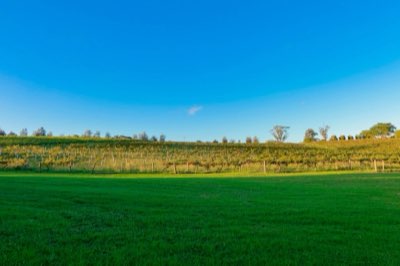
A vineyard manager walks through rows of vines, considering the transition between different quality tiers. While some regions have established themselves through strict rules, others serve as transitional spaces in the hierarchy.
These nuances affect both the flavor profile and the market availability of the wine.
The Vin délimité de qualité supérieure (VDQS) accounted for 0.9% of the 2005 production. This category is less strict than AOC and is usually used for smaller areas or as a "waiting room" for potential AOCs. It represents a unique tier in the hierarchy of French wine characteristics.
How does terroir and grape types influence production?
A winemaker selects specific grape varieties to meet the requirements of a particular appellation. The balance between tradition and variety is central to the French wine-making process. This relationship is reflected in the historical production splits and the presence of white versus red wines.
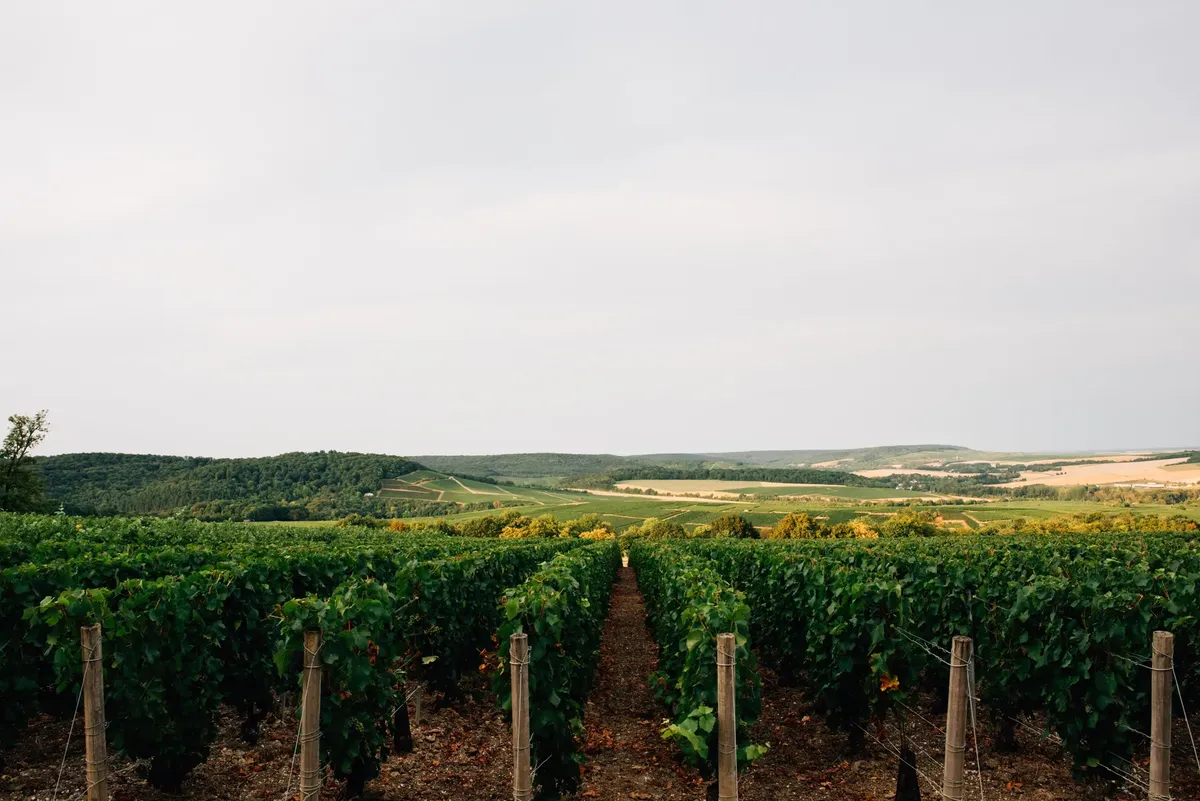
For the 2005 vintage, the total French production was 43.9 million hl, with 28.3% being white and 71.7% being red or rosé. Interestingly, the proportion of white wine was slightly higher for the higher categories, with 34.3% of the AOC wine being white.
This suggests that higher-tier appellations often utilize white varieties more frequently than the general production average.
What are the rules for regional wine pairings?
A chef prepares a meal, matching the acidity of a white wine with a delicate seafood dish. Labeling rules often dictate how much of a specific grape can be present in a bottle. These rules ensure that the wine remains true to its regional identity.
If varietal names are displayed, common EU rules apply. If a single varietal name is used, the wine must be made from a minimum of 85% of this variety. This ensures that the primary flavor profile expected from a specific grape is present in the bottle.
How can you identify quality through labels?
A guest at a dinner table examines a label to understand the origin of their drink. Identifying the level of regulation helps in understanding the potential complexity and style of the wine. The hierarchy provides a roadmap for consumers to navigate different quality levels.
- Check the designation to see if it is an AOC, Vin de Pays, or Vin de Table. 2. Look for the specific region mentioned to understand the geographical focus. 3. Verify if the wine uses a single varietal name, which requires at least 85% of that variety. 4. Confirm the final characteristics against the expected regional style.

I once looked at a bottle of Vin de Pays d'Oc to see how much more flexible it was compared to a strict AOC. The labeling allowed for more regional variety while still maintaining a sense of place.
A limitation of these historical production figures is that they exclude wine destined for Cognac, Armagnac, and other brandies.
- What defines French wine region styles?
- How do different categories compare?
- What are the nuances of wine by French region?
The subject here is French wine region styles.
This part also covers Best wine for French food.
This part also covers Understanding French wine areas.
This part also covers Matching grapes to French soil.
Best wine for French food
Related
- Terroir effect on wine: Why is a region special for wine?
- French wine label guide: How to read AOC quality
How does the regulatory structure impact the landscape of French viticulture? The regulatory framework dictates the acceptable practices within the landscape of French viticulture. This system ensures that the distinct character of a wine aligns with its declared geographic origin. The INAO's management of recognized areas maintains a standard of quality across the landscape.
This strict governance influences how producers approach grape cultivation and winemaking techniques. The varying levels of restriction between AOC and Vin de Pays demonstrate the depth of this regulatory influence on the landscape.
Producers must adhere to specific guidelines depending on the classification they seek.
What are the conditions for higher-tier designations? The condition for achieving a higher designation, such as AOC, involves adherence to stringent rules regarding grape varieties and winemaking methods. The VDQS category serves as a less rigorous step toward the AOC standard within the landscape. These conditions differentiate the wine's potential quality and market standing.
The landscape of French viticulture shows a clear stratification based on these adherence levels. Wines from areas with established AOC status benefit from the strongest geographical protections. This structure guides the evolution of the landscape over time.

Comments 0