Cabernet Sauvignon guide for best French wine varieties
"The greatness of a wine is not found in a single grape, but in the precise marriage of varieties that define a region's soul."
These grapes form the backbone of world-renowned Bordeaux styles, varying significantly between the Left and Right Banks.
* Cabernet Sauvignon and Merlot as primary red drivers. * Sémillon and Sauvignon blanc as the foundation for white wines. * The distinction between Left Bank and Right Bank blending ratios.
Which French grapes make the best red blends?
At midnight in the dim cellar, I swirl the dark cabernet and feel its velvet texture against my tongue. In the dim cellar at midnight, I swirl the dark cabernet and feel its velvet texture against my tongue.
To understand the best French wine varieties, one must look at the dominant grapes of the Bordeaux region.
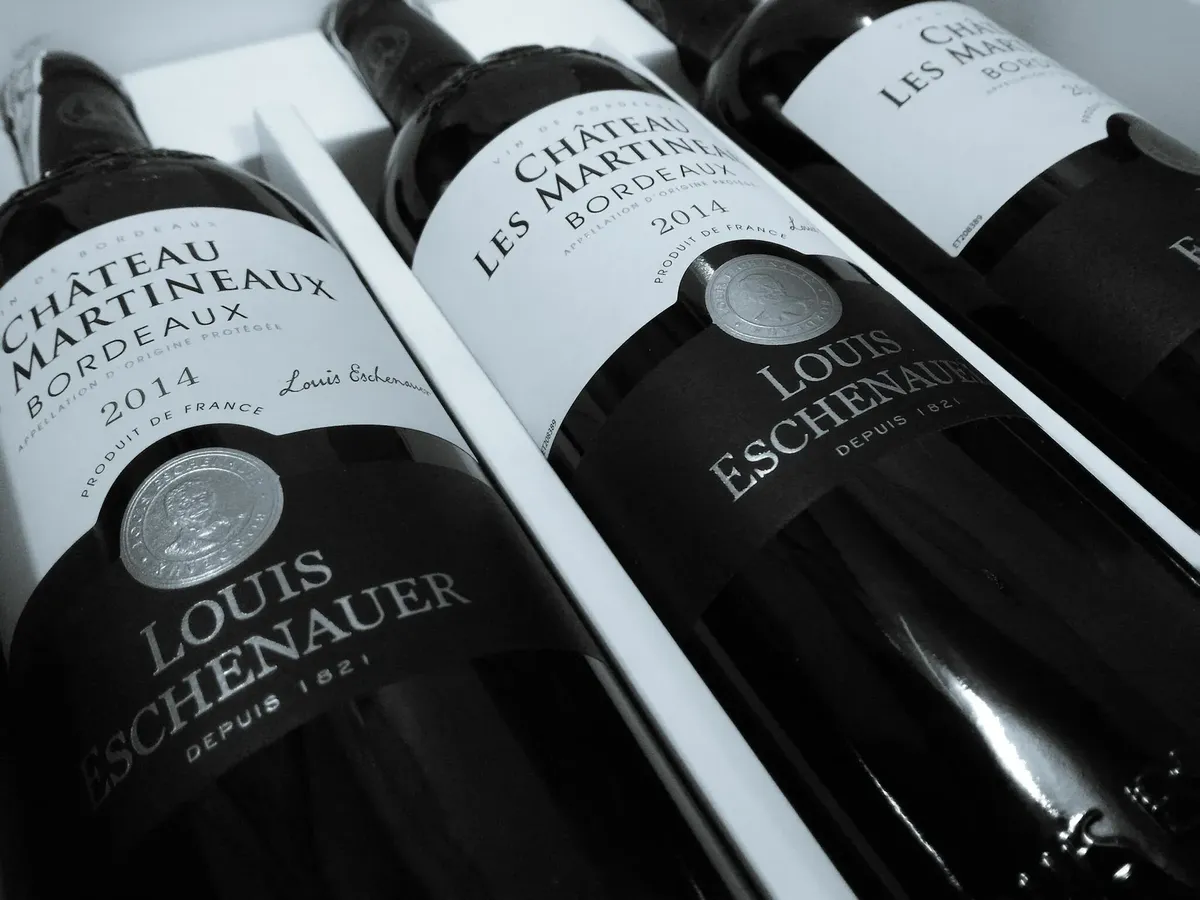
Red grapes in the Bordeaux vineyard include Merlot, which covers 62% by area, Cabernet Sauvignon at 25%, and Cabernet Franc at 12%, along with small amounts of Petit Verdot, Malbec, and Carménère totaling 1%.
Top-quality Châteaux on the Left Bank often utilize a specific ratio to achieve their signature structure. These typical top-quality Châteaux blends are 70% Cabernet Sauvignon, 15% Cabernet Franc, and 15% Merlot.
I have observed how this high concentration of Cabernet Sauvignon provides the firm tannins necessary for long-term aging.
How do top rated French varieties change by region?
The sunlight hits the rolling hills of the Right Bank, where the soil feels softer and more clay-heavy. When seeking the finest French wine grapes, the composition shifts depending on which side of the river the vineyard sits.
Right Bank blends from top-quality Châteaux are typically 70% Merlot, 15% Cabernet Franc, and 15% Cabernet Sauvignon.
This variation creates a distinct profile compared to the Left Bank. While the Left Bank relies on the structure of Cabernet, the Right Bank emphasizes the plush texture of Merlot. These top French grape types ensure that even within one region, the character of the wine remains diverse.
Which French grapes create the best white wines?
A crisp glass of white wine sits on a bistro table, catching the afternoon light. For those looking for the best French wine grape profiles in white wine, the focus shifts to Sémillon and Sauvignon blanc. Typical white blends are 80% Sémillon and 20% Sauvignon blanc.
The regional white grape landscape is clearly defined by specific proportions. The white grapes are Sémillon (54% by area), Sauvignon blanc (36%), Muscadelle (7%), and a small amount of Ugni blanc, Colombard, and Folle blanche (3% in total).
Dry white wines are made throughout the region, often from 100% Sauvignon blanc or a blend dominated by Sauvignon blanc and Sémillon.
How can I identify premium French varieties in a blend?
A collector examines a label, tracing the origin of the grapes with a finger. Identifying premium French varieties requires understanding the balance between acidity and body. Most high-end white wines in the region rely on the aromatic lift of Sauvignon blanc paired with the weight of Sémillon.

To evaluate a red blend, follow these steps: 1. Check the dominant grape variety listed or implied by the regional style. 2. Assess the balance between the structural Cabernet Sauvignon and the softer Merlot. 3.
Verify if the blend follows the traditional regional ratios, such as the 70% Merlot standard for Right Bank wines. 4. Confirm the wine's appellation to ensure the grapes used match the historical standards of that specific area.
I find that checking the blend ratio against the known regional standards is the most reliable way to gauge quality.
What are the nutritional components of these wines?
A glass of red wine is poured, its deep color reflecting the light of the dining room. While enjoying these varieties, it is useful to know the nutritional facts provided by USDA FoodData Central.
According to USDA FoodData Central, red table wine contains 0.46mg of iron, 12mg of magnesium, 4mg of sodium, 1ug of folate, 2.61g of carbohydrates, 8mg of calcium, 127mg of potassium, 0.14mg of zinc, 356kj of energy, and 85kcal per 100g.
For red wine, 100g contains 0.46mg of iron, 12mg of magnesium, 4mg of sodium, 1ug of folate, 8mg of calcium, 127mg of potassium, 0.14mg of zinc, 2.61g of carbohydrates, and 85kcal of energy.
In comparison, all table wines (all types) per 100g contain: | Nutrient | Red Wine (per 100g) | All Table Wine (per 100g) | | :--- | :--- | :--- | | Iron | 0.46mg | 0.37mg | | Potassium | 127mg | 99mg |
This comparison shows that red varieties often have slightly higher concentrations of certain minerals.
Is there a limitation to these grape profiles?
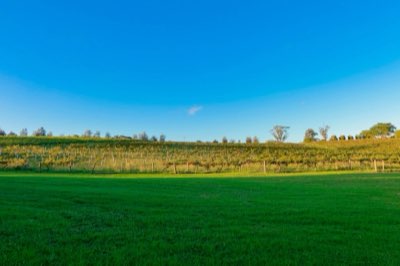
The vineyard rows stretch toward the horizon, marked by the changing seasons. A limitation of these traditional profiles is that they are highly dependent on specific terroir and regional appellations.
According to the National Institute of Statistics, 1,751 French companies were state-controlled by the end of 2017.
For example, the specific grape percentages and styles are optimized for the Bordeaux and Bordeaux Supérieur AOCs, which represented 55% of all Bordeaux wines sold in the world in 2010.
What is the standard ratio for Left Bank red blends?
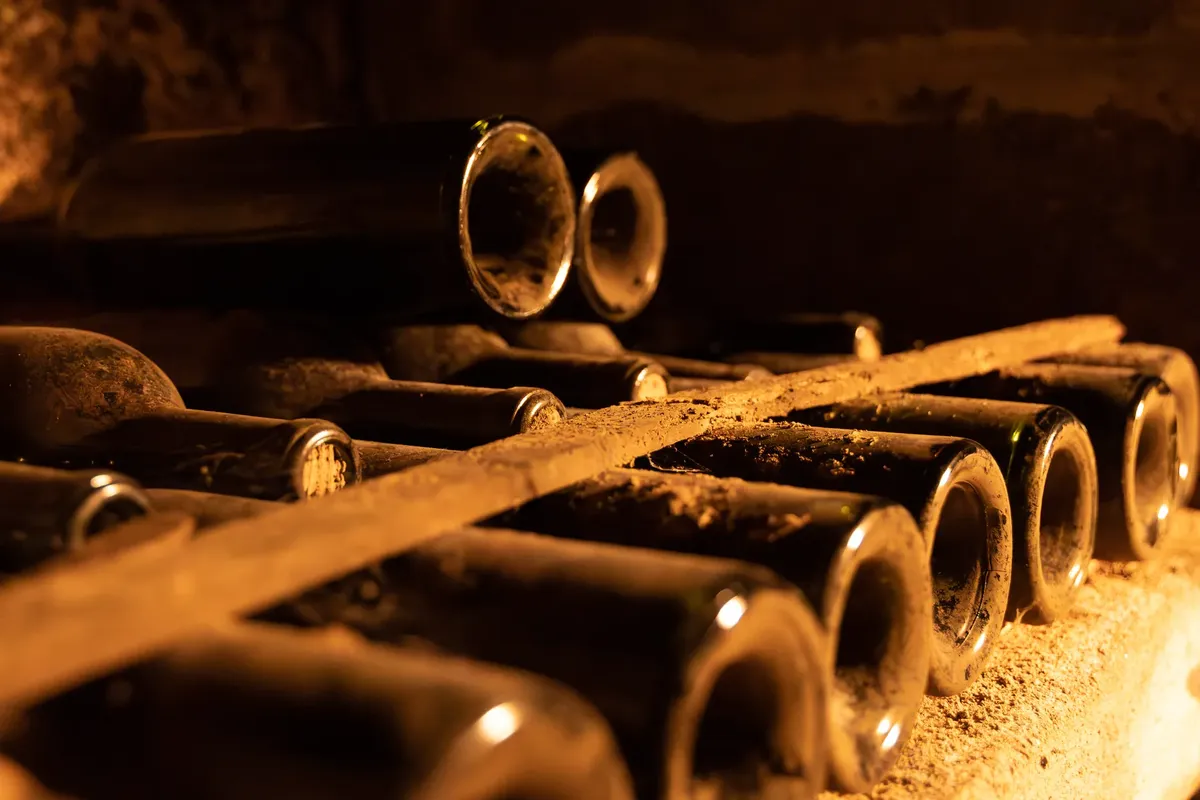
Typical top-quality Châteaux blends are 70% Cabernet Sauvignon, 15% Cabernet Franc, and 15% Merlot.
What are the primary white grapes used in the region?
The white grapes are Sémillon (54% by area), Sauvignon blanc (36%), Muscadelle (7%) and a small amount of Ugni blanc, Colombard and Folle blanche (3% in total).
Understanding the distinction between Cabernet-heavy Left Bank blends and Merlot-heavy Right Bank blends is essential for navigating French wine varieties.
How does the structure of the wine relate to the grape usage?
- The structure of the wine is directly influenced by the grape varieties chosen for the blend. 2. Cabernet Sauvignon contributes firm tannins, which aids in the wine's capacity for extended aging. 3. Merlot, conversely, provides a softer texture to the overall wine character. 4. The regional blend ratios dictate whether the final wine leans toward Cabernet's structure or Merlot's plushness.
The marriage of varieties determines the wine's final character, showing the greatness of a wine through its composition. When comparing the Left Bank and Right Bank, the difference in primary driver grapes creates a noticeable divergence in the wine's mouthfeel.
What conditions affect the white wine profiles?
- The white wine profiles are significantly shaped by the ratio between Sémillon and Sauvignon blanc. 2. Dry white wines can be produced using only Sauvignon blanc or a blend where Sauvignon blanc holds the majority share. 3. The overall white grape composition includes Muscadelle and a small percentage of other varietals. 4. The regional landscape for white grapes is clearly delineated by these specific proportions.
The selection of white grapes must account for the intended style, whether it emphasizes aromatic lift or sheer weight. The use of Sémillon and Sauvignon blanc establishes the foundation for the wine's profile.
What cautions should be observed when evaluating a blend?
- A caution when assessing any blend is that the established ratios are optimized for specific AOCs. 2. The historical standards of an area must be confirmed through the wine's appellation. 3. One must evaluate the balance between the structural Cabernet Sauvignon and the softer Merlot when tasting. 4. The reliance on specific terroir means that the profiles are not universally applicable across all regions.
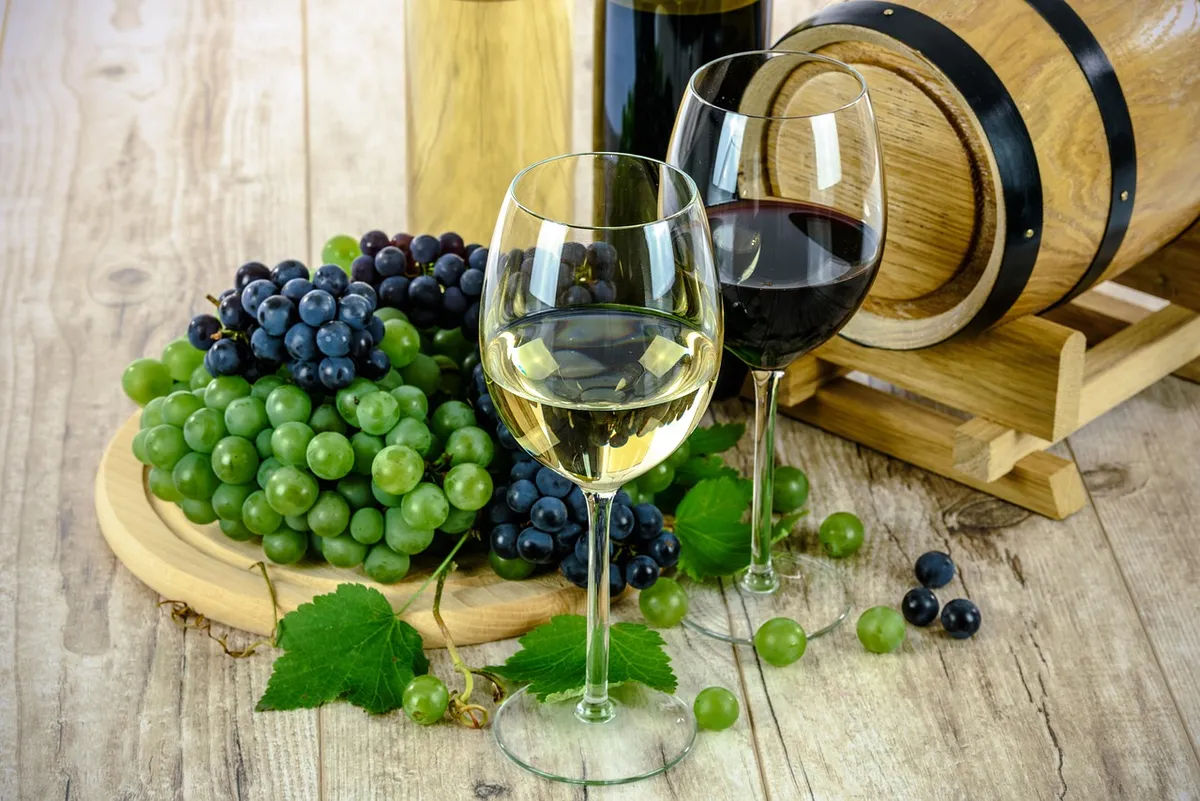
The greatness of a wine also requires the consumer to acknowledge the limitations inherent in traditional profiles. Following the established procedures for evaluation helps mitigate the risk of misjudging the wine's quality based on regional expectations.
Wikipedia: Economy of France Based on the retained excerpt mentioning OECD: OECD data from 2021 estimate that 8.4% of the French population lived in poverty, compared with 18% in the United States, 11.6% in Canada, and 9.8% in Germany.
- The best French wine varieties are determined by specific regional blends that balance structure and aroma, most notably through the use of Cabernet Sauvignon and Merlot.
- This guide explores these essential grape profiles, comparing regional compositions and providing a breakdown of typical vineyard usage.
- A sommelier uncorks a heavy bottle in a dim cellar, the scent of damp earth and oak filling the room.
Related
Comments 0