Wine choice by price range: Guide to 85 kcal table wine
"Choosing a wine is not merely about the price tag on the label, but about understanding the character of the grape and the liquid within the glass."
Selecting the right wine depends on matching your budget to the specific characteristics of the varietal and its nutritional profile.
This guide helps you navigate different price tiers by focusing on grape types and composition, though it is important to note that price does not always correlate with complexity or quality.
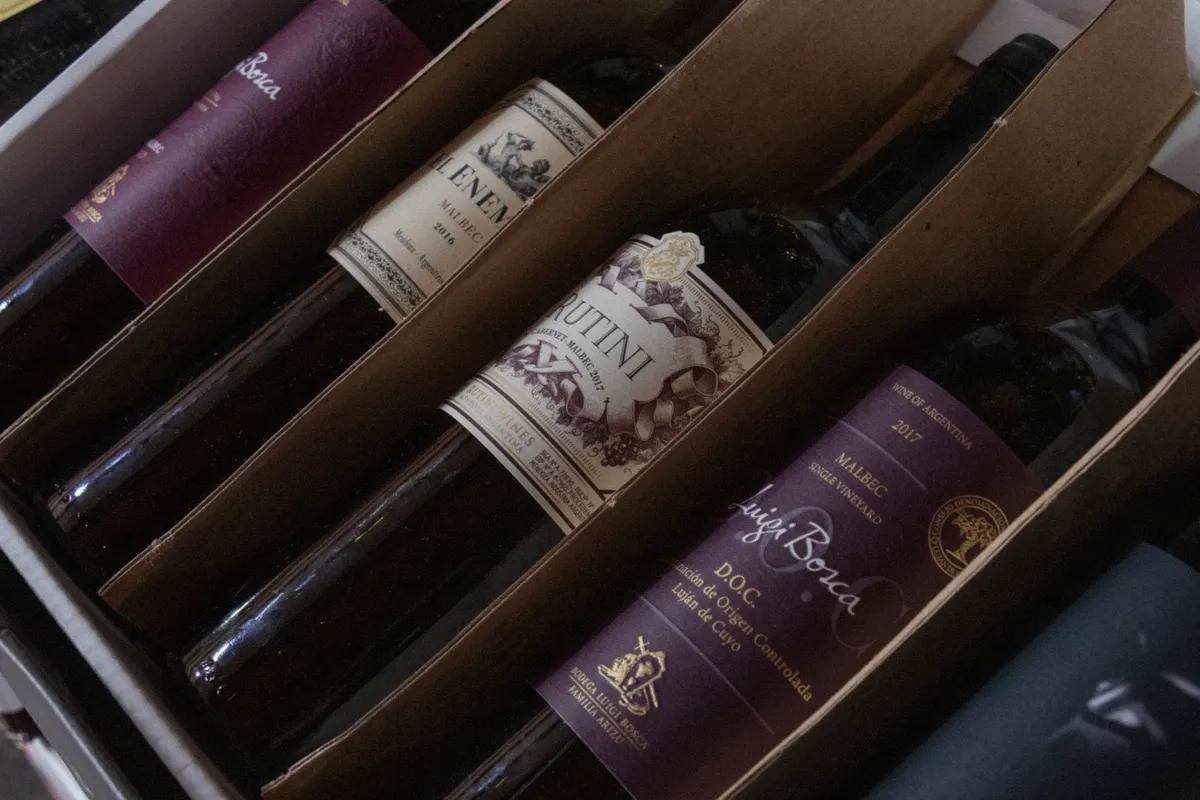
* Understand the nutritional basics of table wine. * Identify common grape profiles across price ranges. * Match your budget to the desired drinking experience. * Recognize that higher prices often reflect aging or rarity rather than flavor alone.
How to use a wine choice by price range guide?
At dusk in the quiet cellar, I run my fingers over the cold glass while consulting the guide to select a budget-friendly wine.
A shopper stands in a dimly lit cellar, scanning rows of dusty bottles and bright, modern labels. They reach for a mid-tier Cabernet, feeling the weight of the glass and checking the vintage before placing it in the basket.
Effective wine choice by price range requires matching the cost to the intended occasion. Low-cost options often feature high-acid, fruit-forward profiles suitable for casual meals, while premium selections focus on structural complexity and aging potential.
Using a budget wine selection guide helps drinkers avoid overpaying for simple varietals that are widely available at lower costs.
According to USDA FoodData Central, red table wine contains 85 kcal and 0.46mg of iron per 100g. Understanding these baseline values helps consumers view wine as a beverage with specific caloric and mineral properties. This awareness is part of a larger wine choice by price range strategy.
- Determine your budget for the occasion.
- Select a price tier that matches your preference.
- Compare options within that specific range.
How are wine price tiers actually determined?
A sommelier pours a deep crimson liquid into a thin crystal glass, observing how the light catches the legs of the wine. The scent of oak and dark berries fills the air as the wine breathes in the cool room.
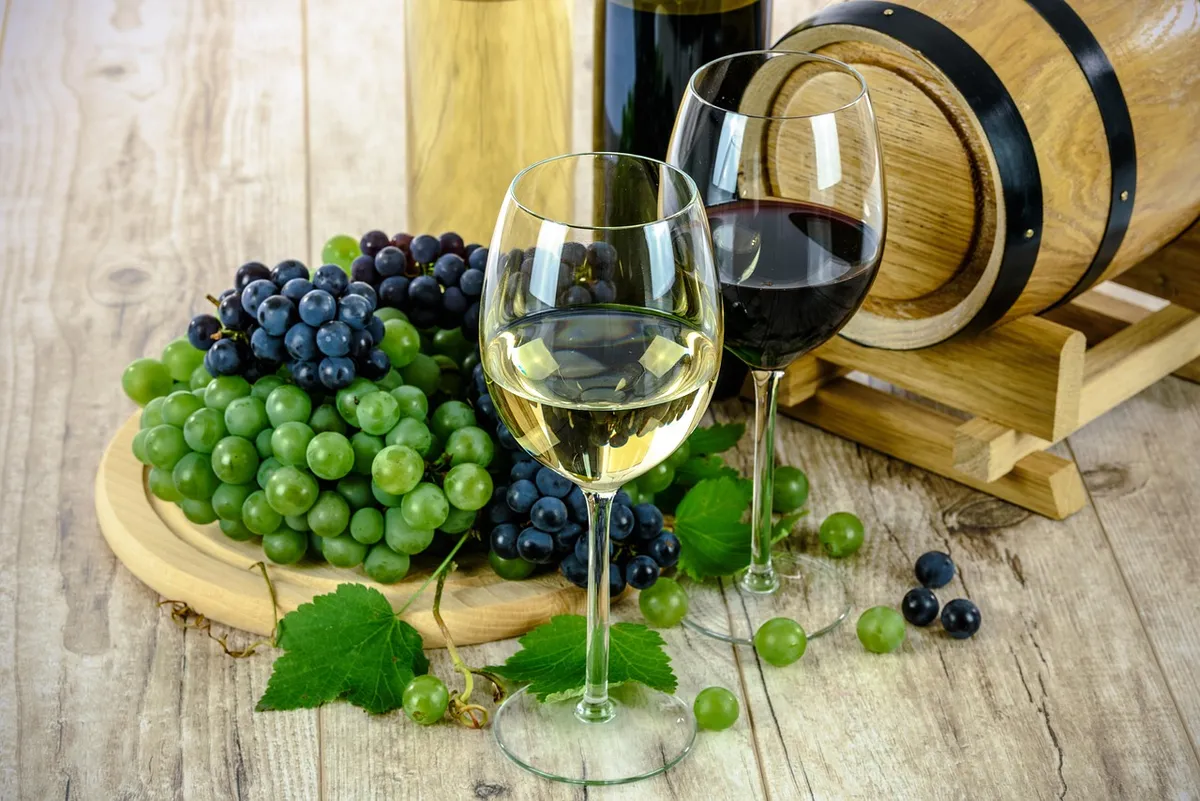
Establishing price tier wine standards involves looking at production methods and terroir. Entry-level wines are often produced in large volumes, prioritizing consistency and ease of drinking.
As the price increases, you typically see more intensive vineyard management and specialized fermentation techniques.
To master how to pick wine by cost, look for "value" indicators like specific regional appellations. Mid-range wines often offer a balance of fruit and structure, whereas luxury tier bottles are defined by their ability to evolve over decades.
This approach ensures your selection aligns with your financial expectations and palate.
I find that the second step is the most important.
Where can I find tasting notes for every price point?
The diner sits at a mahogany table, swirling a pale Chardonnay and noting the citrus aroma before taking a cautious sip. They write a quick observation in a small notebook, noting the crisp finish and light body.
Finding tasting notes for each price is essential for managing expectations during a purchase. Lower-priced wines often feature primary fruit notes like cherry, citrus, or green apple.
Higher-priced wines introduce secondary and tertiary notes, such as vanilla, leather, or earth, which emerge through aging.
| Wine Type | Typical Profile | Common Price Tier |
|---|---|---|
| Table Red | Fruit-forward, low tannin | Budget |
| Aged Red | Oak, leather, complex | Premium |
I often compare the brightness of a young Sauvignon Blanc against the mellowed tones of an older bottle to see how the profile shifts. This comparison is a core part of learning price tier wine standards.
What are the best food pairing by grade techniques?

A chef prepares a seared steak, waiting for the perfect moment to pour a heavy, tannic red wine into the guest's glass. The steam from the meat rises, mingling with the rich aroma of the vineyard's finest harvest.
Applying best food pairing by grade techniques prevents flavor clashes. Light, inexpensive whites pair well with salads or seafood, where acidity complements the meal.
Heavier, more expensive reds with significant tannins are better suited for fatty meats, as the tannins help cut through the richness.
- Identify the main protein or vegetable of your dish. 2. Select a wine with a weight that matches the meal's intensity. 3. Check if the wine's acidity or tannin level complements the food's texture.
Perform a final check by tasting a small sip of the wine alone before pairing it with the food to ensure the balance is correct.
How do wine aging and storage tips affect value?
A collector carefully moves a bottle from a temperature-controlled rack into a dark, quiet corner of the basement. They check the seal of the cork, ensuring no moisture has escaped during the long months of rest.
Proper wine aging and storage tips are vital for protecting your investment. Heat and light are the primary enemies of wine, which can degrade the chemical structure and alter the flavor profile. Storing bottles horizontally keeps the cork moist, preventing oxidation.
When considering wine aging and storage tips, remember that not all wines are meant for the cellar. Most budget wines are intended for immediate consumption.
Investing in long-term storage is most beneficial for high-priced bottles that possess the structural components necessary to improve with time.
Can I use value wine choosing tips for every bottle?

An enthusiast wanders through a crowded supermarket, looking past the flashy gold foils to find the honest, well-labeled bottles. They scan the back labels for region and grape variety, ignoring the marketing hype.
Using value wine choosing tips can save significant money without sacrificing enjoyment. Look for regions known for high quality at lower prices, such as certain parts of Chile or Australia.
A budget wine selection guide suggests that a well-made, inexpensive wine can often outperform a mediocre, expensive one.
The limitation of this approach is that it cannot account for the subjective nature of taste; a "value" bottle for one person may be unpalatable to another based on personal preference.
Related






Comments 0