Wine freshness guide: How to judge wine freshness best
"Freshness is not just a matter of time, but a delicate balance of color, scent, and structural integrity that defines the drinking experience."
To judge wine freshness, you must observe the clarity of its color, the vibrancy of its aroma, and the presence of lively acidity. This guide focuses on identifying signs of quality through visual and sensory inspection.
You should avoid wines with oxidized, brownish tints or dull, flat aromas, and note that these methods apply primarily to bottled liquid rather than bulk storage.
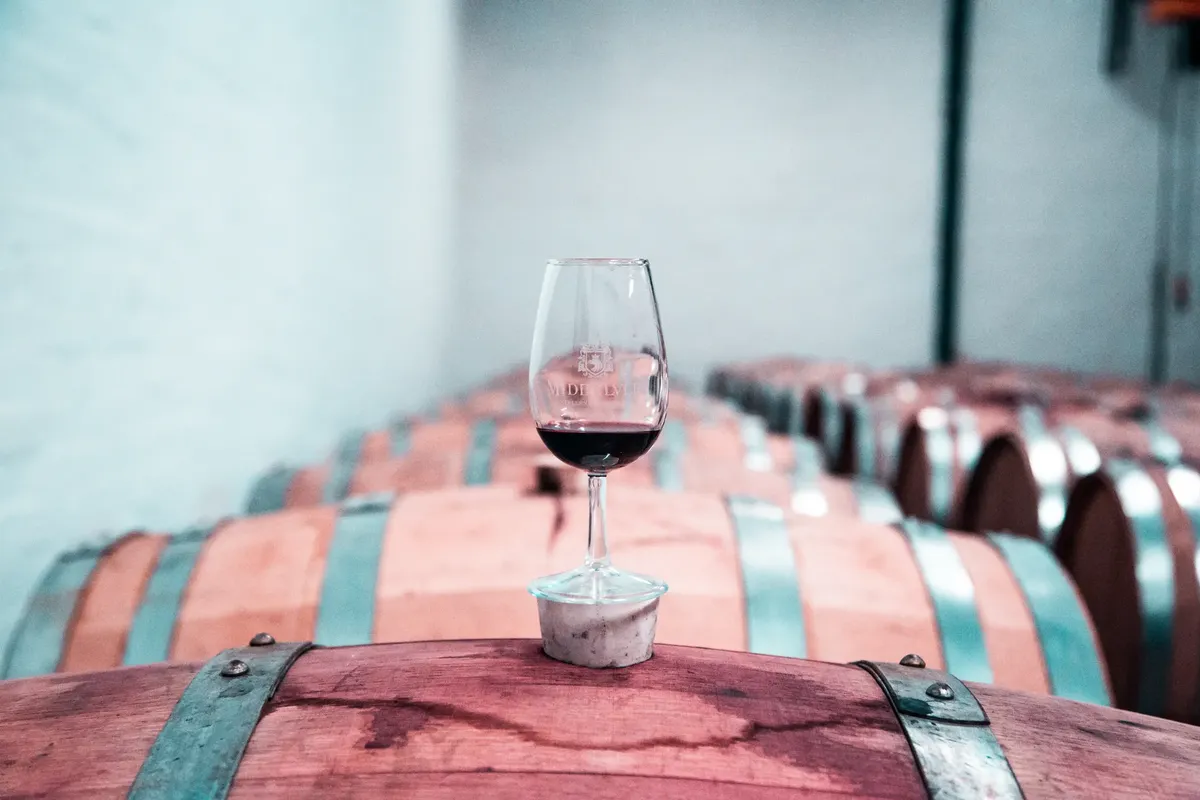
* Examine the color for brightness and clarity. * Inhale the bouquet to detect lively fruit or floral notes. * Check for acidity and structural balance on the palate. * Observe the presence of bubbles in sparkling varieties.
How to judge wine freshness through color?
At dusk, I tilt the glass toward the lamp to watch the pale wine swirl against the light.
A glass is held up against a bright light in a dimly lit room to reveal its true hue. The liquid swirls, catching the light to show whether the color is vibrant or fading.
The visual appearance provides the first clue for a wine freshness check. For white wines, look for pale straw or lemon tones, whereas red wines should show deep, translucent ruby or garnet colors. If a white wine appears overly amber or darkened, it may have undergone significant oxidation.
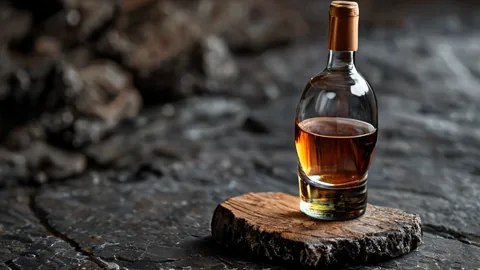
This specific style intentionally carries an amber hue, so color alone does not always indicate spoilage in specialty categories.
I find that the second step in this visual assessment is the most important.
What are the best wine storage methods for longevity?
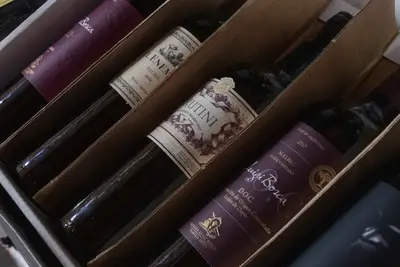
A heavy wooden cork is pressed firmly into a bottle, and the vessel is placed deep within a cool, dark cellar. The air is still, and the temperature remains constant to protect the contents.
Maintaining stability is essential for a taste wine quality guide. Environmental consistency prevents the chemical shifts that lead to premature aging.
In large-scale storage, physical stability is also a factor; the disturbance caused by one bottle's disintegration could cause a chain reaction, with it being routine for cellars to lose 20–90% of their bottles to instability.
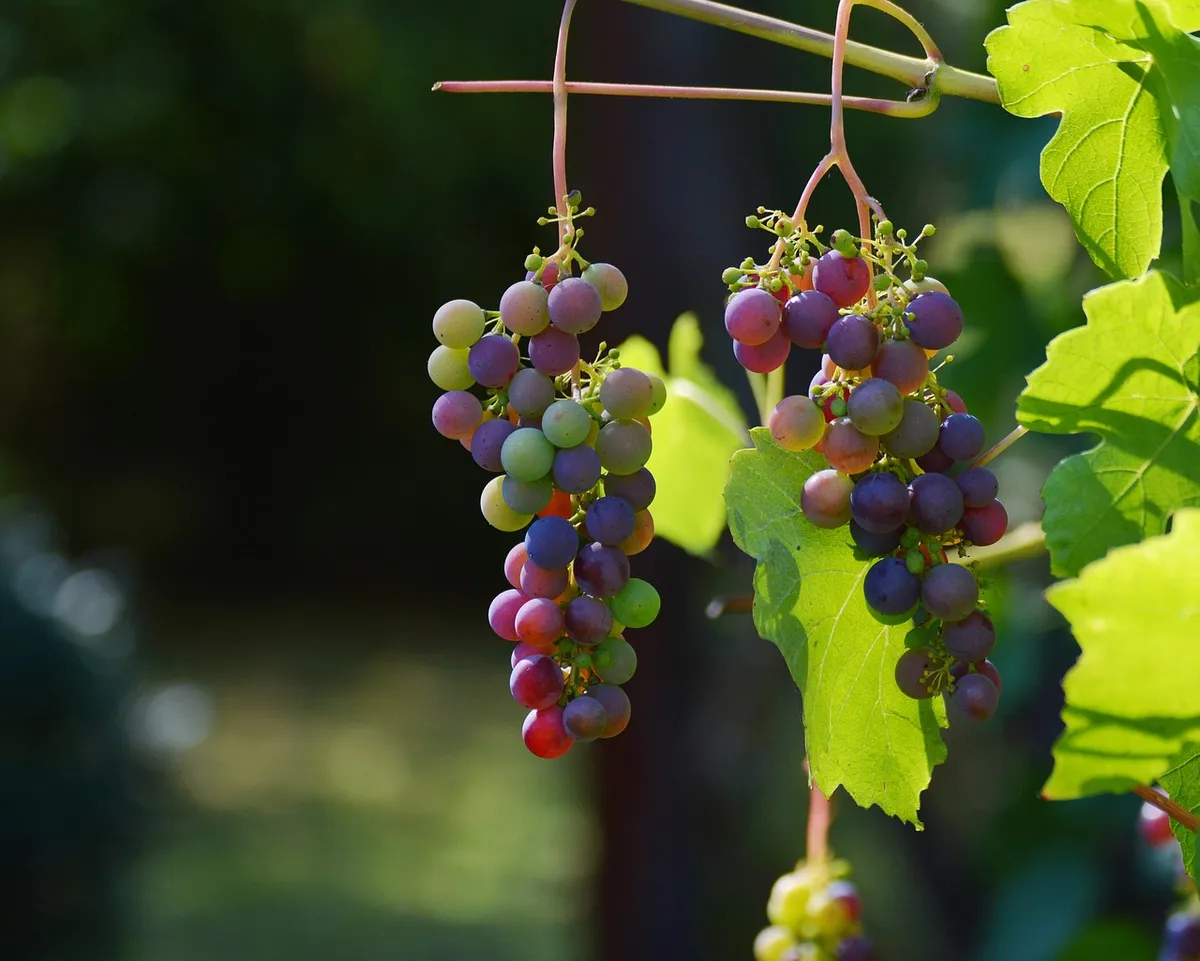
Proper storage involves keeping bottles horizontal to ensure the cork remains moist, preventing air from entering the bottle and dulling the fresh, grapey flavors.
- Choose a cool, dark location.
- Maintain a consistent temperature.
- Store bottles horizontally.
Can I identify good wine signs by aroma?
A cork is pulled from a bottle with a soft pop, releasing a cloud of scent into the air. The nose is lowered toward the rim of the glass to catch the escaping vapors.
The scent is the most immediate way to implement an Identify good wine signs protocol. Fresh wines typically exhibit primary aromas of fresh fruit, flowers, or herbs. If you detect scents of vinegar, wet cardboard, or bruised apples, the wine has likely lost its vitality.
A lively aroma indicates that the volatile compounds are still active. I once smelled a freshly opened bottle that transitioned from bright citrus to a heavy, nutty scent within minutes, signaling rapid oxidation.
Is there a difference in checking acidity levels?
A small sip is taken, and the liquid moves across the tongue to test the sensation of tartness. The sides of the mouth tingle as the acid hits the palate.
Checking acidity levels is a vital part of understanding a wine's structure. Acidity provides the "lift" that makes a wine feel fresh and mouthwatering. In sparkling wines, this sensation is often paired with carbonation.
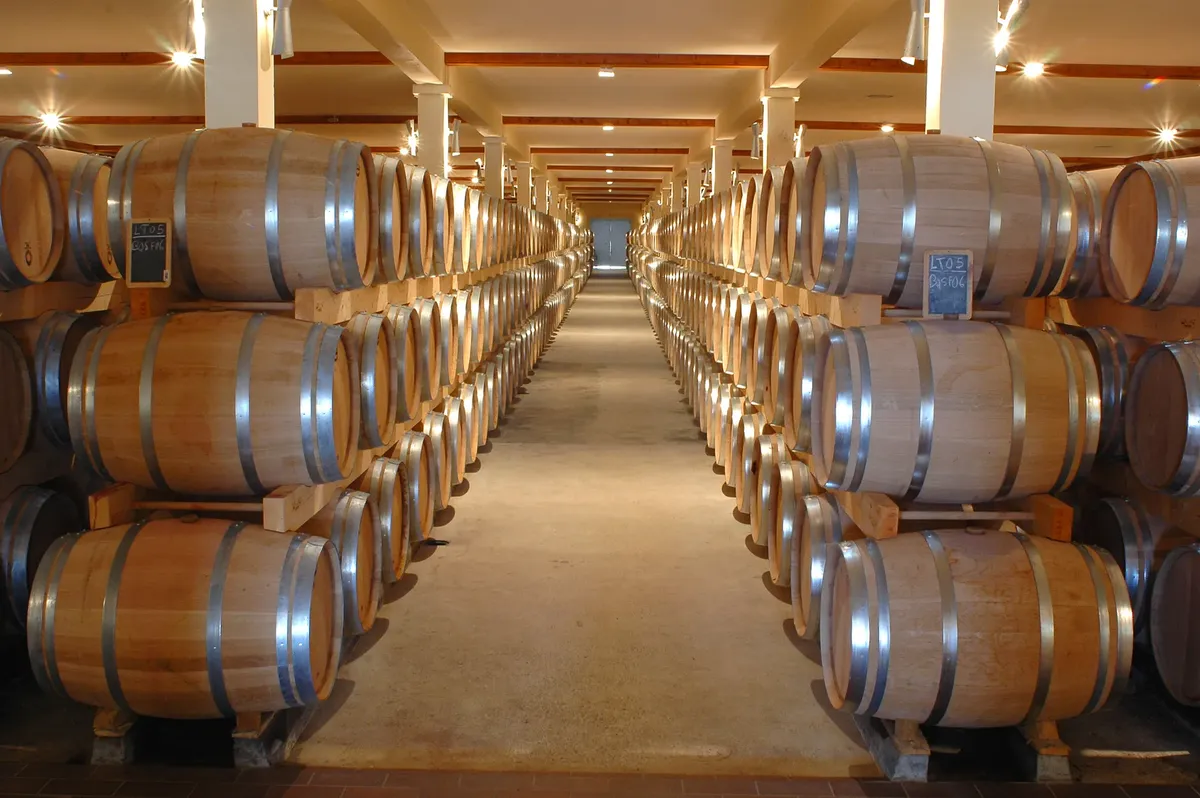
For example, the Moscato d'Asti style is a frizzante, slightly sparkling version of Asti that is sweeter and contains less alcohol, typically around 5.5%. This lower alcohol and high acidity profile contributes to its perceived freshness.
How do I use a wine aroma and color guide for sparkling wines?
A bottle of sparkling wine is placed in an ice bucket, and the foil is carefully stripped away. The tension in the glass is palpable as the bubbles rise in steady streams.
When using a wine aroma and color guide, sparkling varieties require extra attention to their effervescence. While many are blends of several grape varieties, vineyards, and vintages, the presence of bubbles is a key indicator of freshness.
For instance, some sparkling wines, such as blanc de blancs, are made from 100% Chardonnay. To ensure quality, follow these steps:
- Inspect the bubbles to ensure they are fine and consistent rather than large and dissipating quickly. 2. Smell the bouquet for crisp, clean fruit notes without any hint of yeast-driven decay. 3. Taste for a sharp, clean finish that cleanses the palate.
I compared a standard sparkling wine to a flat version and noticed the sensory difference immediately. Finally, check that the bottle has been stored upright or slightly tilted to maintain pressure if it is a non-vintage variety.
Comparison of Wine Nutritional Profiles
| Component (per 100g) | All Table Wine | Red Table Wine |
|---|---|---|
| Iron | 0.37mg | 0.46mg |
| Magnesium | 11mg | 12mg |
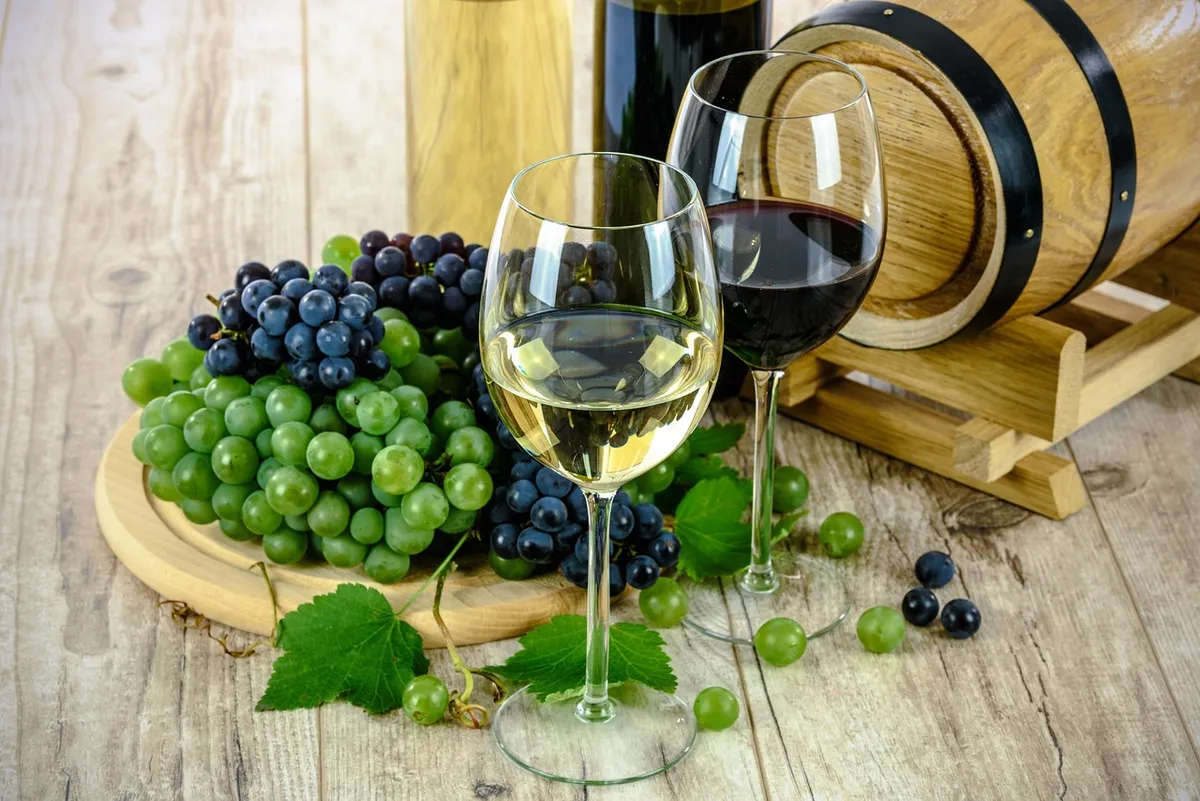
The nutritional content of wine varies slightly depending on the type, as shown in the table above. According to the Danish Environmental Assessment Institute, a 2004 assessment concluded that incineration was the most effective method for disposing of drink containers, even aluminium ones.
Based on data from USDA FoodData Central, red table wine contains 0.46mg of iron, 12mg of magnesium, 4mg of sodium, 1ug of folate, 2.61g of carbohydrates, 8mg of calcium, 127mg of potassium, 0.14mg of zinc, and 85kcal per 100g.
A limitation of these sensory checks is that they may not account for the chemical changes occurring in wines that have been bottled under high pressure or those specifically designed for long-term aging.
The subject here is How to judge wine freshness.
The same subject is also called Fresh wine buying tips.
Related
Comments 0