Vintage impact on quality: How to guide wine aging best
"The impact of wine vintage on quality is often misunderstood by those seeking the perfect bottle."
* Only a small fraction of wines actually improve significantly after five years. * Red and white wines have different aging success rates. * Environmental factors during the growing year dictate the final profile.
How does the impact of wine vintage on quality manifest in aging?
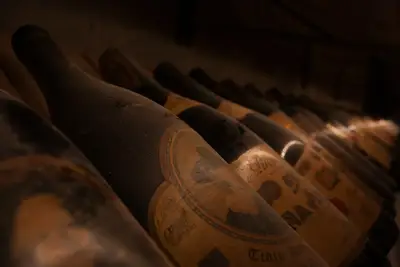
A sommelier uncorks a dusty bottle in a dimly lit cellar, watching the liquid swirl against the glass to see if the years have added complexity.
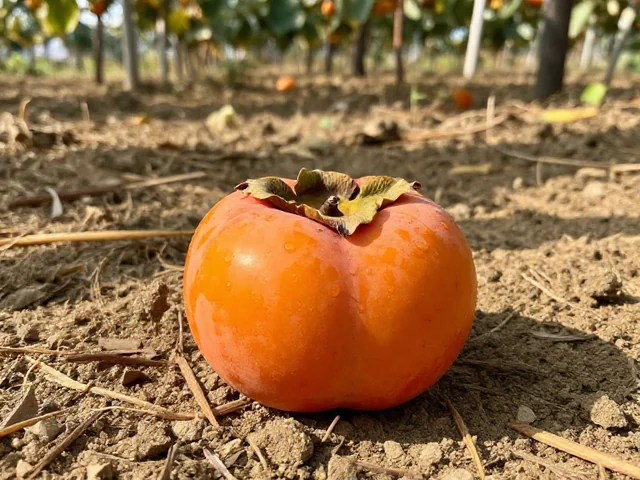
Understanding the impact of wine vintage on quality requires recognizing that most wines are intended for immediate consumption rather than long-term storage.
This means that for the vast majority of bottles, the flavor profile peaks much earlier.
While some collectors hunt for specific years, the statistical reality suggests that most bottles do not benefit from decades of cellar time.
What is the vintage influence on wine during production?
At dawn in the fermentation room, I press my hand against the cool steel tank to monitor the vintage process.
A winemaker carefully monitors the temperature in the fermentation room, ensuring the environment remains stable as the sugars transform. The vintage influence on wine begins long before the bottle is corked, starting with the sugar levels in the must.
The chemical conversion during fermentation is a precise process where every gram of sugar matters. For every gram of sugar that is converted, about half a gram of alcohol is produced. To achieve a 12% alcohol concentration, the must should contain about 24% sugars.
If a winemaker aims for higher levels, they might use yeast that can withstand high alcohol to reach more than 12%.
How does wine year and flavor relate to grape handling?
A worker in a vineyard presses a crate of grapes, feeling the texture of the skins as the juice begins to flow. The wine year and flavor are often dictated by how much contact the juice has with the grape skins during the early stages of processing.
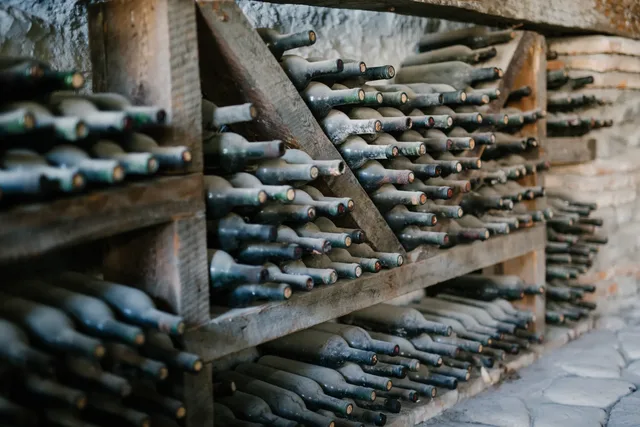
In some circumstances, winemakers choose to crush white grapes for a short period of skin contact, usually for three to 24 hours. This contact can alter the color and aromatic profile.
Additionally, the temperature during fermentation plays a role; for red wines, the temperature is typically 22 to 25 °C, while white wines are kept between 15 to 18 °C.
Can vintage and wine terroir be compared through historical tastings?
A group of judges sits around a long table, tasting various samples to determine which regions produced the superior harvest. The relationship between vintage and wine terroir has been famously tested in blind tasting competitions that pit different regions against one another.
The San Francisco Wine Tasting of 1978 was conducted 20 months after the Paris Wine Tasting of 1976. Furthermore, two tastings were conducted by the French Culinary Institute on the tenth anniversary of the original Paris Wine Tasting.
These events demonstrated how specific years and locations can redefine the perceived quality of different wine styles.
Does vintage and wine flavor change during the clarification process?
A technician inspects a row of bottles resting on a wooden rack, checking for any remaining cloudiness in the liquid. The final characteristics of the flavor are often stabilized through mechanical processes like riddling and cold stabilization.
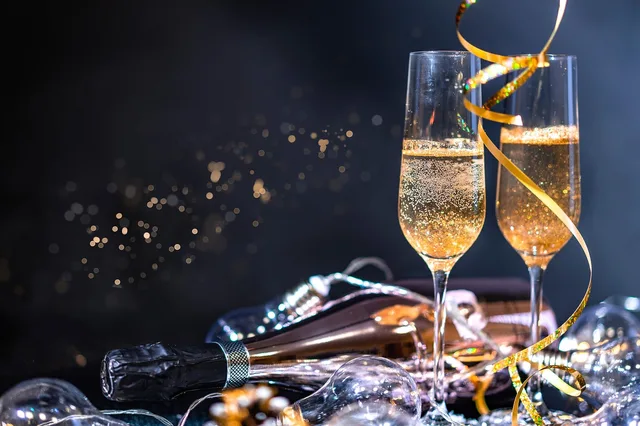
To ensure clarity, bottles may spend 6 months on a riddling rack before being disgorged to remove any sediment that has accrued. Another step involves the cold stabilizing process after fermentation, where the temperature of the wine is dropped to close to freezing for 1–2 weeks.
These steps ensure that the vintage's characteristics are presented in a clean, consistent manner.
How to evaluate a wine's potential for aging?
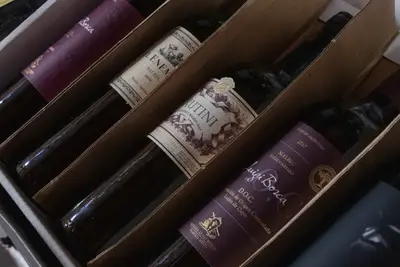
A collector examines the label of a bottle, noting the year and the grape variety before deciding whether to drink it now or cellar it.
To determine if a wine is suitable for long-term storage, follow these steps: According to USDA FoodData Central, red table wine contains 0.46mg of iron and 127mg of potassium per 100g.
- Check the grape variety and alcohol content to see if it possesses the structure needed for aging. 2. Verify the producer's reputation for using methods like long-term aging or specific fermentation temperatures. 3. Assess the current acidity and tannin levels to ensure they can support the wine over several years.
I compare the sugar-to-alcohol conversion rates to estimate the body of the wine before I decide to purchase a case. After completing these steps, perform a final check by researching if that specific vintage is noted for its aging potential in professional guides.
| Wine Type | Percentage Improving After 5 Years |
|---|---|
| Red Wine | 10% |
| White Wine | 5% |
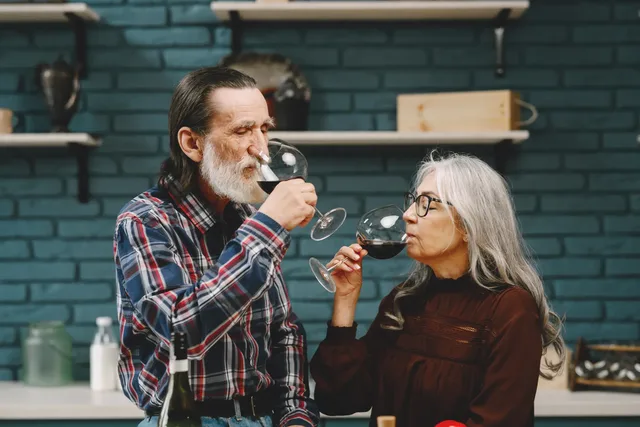
The ability to predict quality is limited by the fact that most wines do not improve with age, as specified by the 10% and 5% thresholds.
- The impact of wine vintage on quality is primarily determined by how specific weather patterns during the growing season influence grape composition and subsequent aging potential.
- While many enthusiasts believe all fine wines improve with age, only about 10% of all red and 5% of white wine will taste better after five years than they will after just one year.
- This guide helps you understand the nuances of aging, the technical realities of production, and the limitations of vintage variation.
Related
- Old winery history impact: Tips for best wine quality
- Wine brand value and winery management: Guide to quality
What are the limitations of vintage assessment?
- The ability to predict quality is constrained because the majority of wines fail to show marked improvement with extended aging. 2. The statistical reality dictates that most bottles do not gain value from many decades in a cellar. 3. A caution exists that the flavor profile for most bottles reaches its peak much sooner than five years.
The impact of wine vintage on quality is therefore often perceived inaccurately by consumers who assume all fine wines possess superior longevity. The 10% and 5% thresholds highlight a significant condition regarding aging success.
How do production conditions affect the final impact of wine vintage?
- The initial sugar levels in the must establish the foundation for the final impact of wine vintage. 2. The stability of the fermentation room temperature is a critical factor monitored by the winemaker. 3. The contact time between juice and grape skins during early processing modifies the wine's aromatic profile.
When assessing the impact of wine vintage on quality, one must consider the specific handling procedures employed during the growing year. The environmental factors during the growing year determine the final profile of the wine.
The temperature during fermentation itself serves as a condition that influences the final characteristics. For instance, red wines require a temperature range that is different from that maintained for white wines.
This difference in temperature management contributes to the overall impact of wine vintage.
When comparing the aging potential, the structure provided by the acidity and tannin levels becomes a key consideration. These elements must be sufficient to support the wine across multiple years, a condition that is not guaranteed for every bottle.
This comparison helps frame the limitations of vintage variation.
Comments 0