Maceration duration guide: Why buy fresh wine now
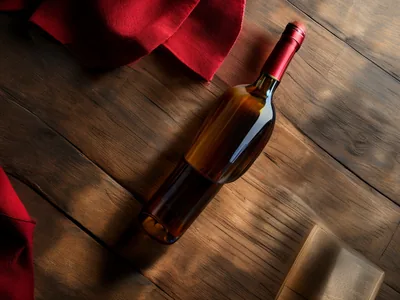
"The color of the wine tells a story of contact between the fruit and the vessel, where time and temperature dictate the final character of the pour."
Understanding why buy fresh wine now requires looking at the traditional methods that define flavor through controlled maceration. By choosing wines with specific fermentation histories, drinkers can enjoy distinct profiles ranging from deep amber to light yellow.
This guide covers the importance of maceration duration, traditional Georgian techniques, and how temperature control affects the final product.
Why buy fresh wine now?
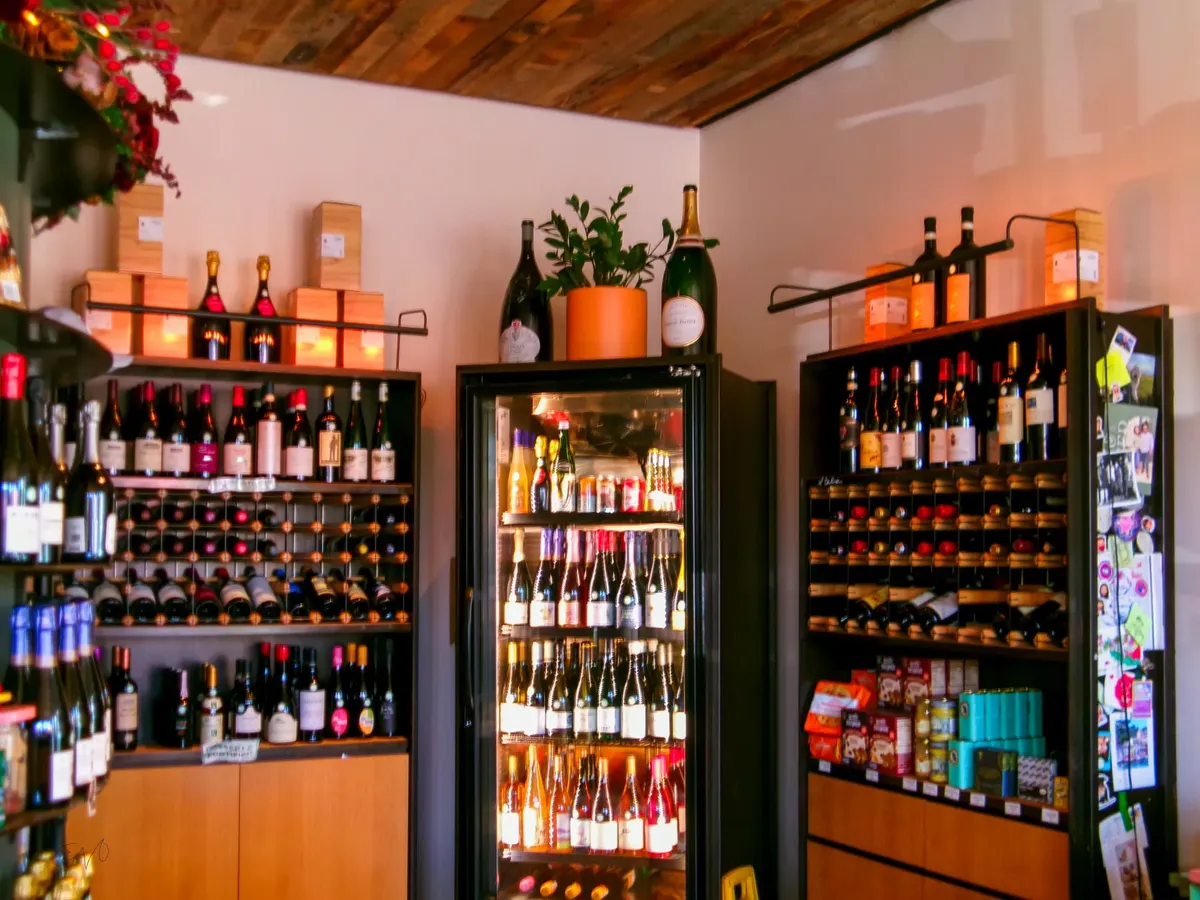
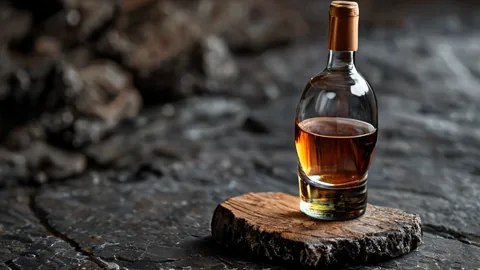
A sommelier pulls a cork from a bottle of amber-hued liquid, watching the light catch the deep golden tones. The aroma of skin and seed fills the room, signaling a wine defined by its unique contact time. According to USDA FoodData Central, red table wine contains 85kcal per 100g.
The concept of freshness in certain styles often relates to the vitality of the maceration process. According to the International Organisation of Vine and Wine, orange or amber wine is described as white wine with maceration.
To achieve this specific character, the organization prescribes a minimum maceration phase of at least 1 month. This period allows the skins to transfer color and texture to the juice.
Choosing these wines means engaging with a living process where the contact between grape components and liquid creates complexity.
This is not about finding a wine that was bottled yesterday, but about selecting a wine where the fermentation and skin contact have reached a specific, intentional stage.
How to check wine age through traditional methods?
A craftsman in a cellar carefully inspects a ceramic vessel, checking the sediment after months of stillness. The weight of the tradition is felt in the heavy clay and the quiet atmosphere of the underground room.
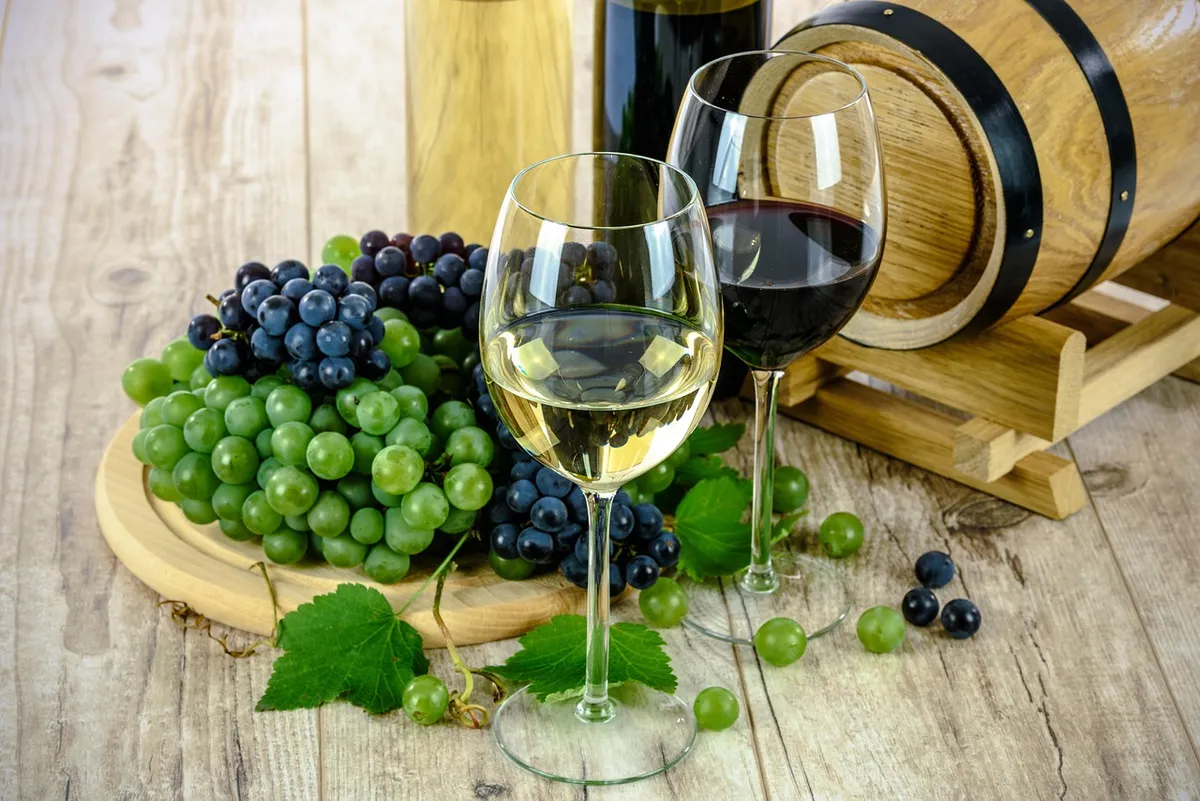
Different regions use varying timeframes to achieve their signature styles. One popular method is the eastern Georgian Kakhetian style, which utilizes grape seeds, skin, and stems in the fermentation process. This specific method often lasts for 6 months.
This extended contact results in a much more intense and robust profile compared to lighter styles.
Another approach is the Western Georgian Imeretian method, which involves adding less pomace, usually about 1/3 of the total. In this method, maceration often continues for 15-30 days. This shorter duration results in a lighter color, typically appearing as orange or yellow.
Understanding these timeframes helps in selecting the right intensity for a meal.
- Examine the cork for signs of dryness or shrinkage.
- Inspect the color of the liquid against the bottle glass.
- Check the label for any signs of aging or fading.
- In this order, the second step is the longest.
How can I tell if my wine is still fresh? A diner looks at a menu, weighing the choice between a light yellow wine and a deep orange one. The decision depends on whether they want a delicate pairing or a bold, structured experience.
When using a wine selection freshness guide, you must consider the level of skin contact. The intensity of the wine is directly tied to how long the juice has rested with the solids.
| Method | Typical Maceration Duration | Resulting Color |
|---|---|---|
| Kakhetian | 6 months | Deep Amber/Orange |
| Imeretian | 15-30 days | Light Orange or Yellow |
I personally find that comparing these two durations helps me decide if I want a heavy-bodied wine or something lighter. The table shows how the length of time affects the visual and structural outcome of the wine.
What is the perfect temperature to store my wine? A worker moves a heavy clay jar into a cool, dark corner of a stone cellar. The air is damp and still, providing a sanctuary for the aging liquid.
Temperature stability is a key component of the natural fermentation and aging process. Both the Kakhetian and Imeretian methods involve wine maceration in qvevri, which are vessels buried in the cellar. This burial provides a constant underground temperature of around 14-15 °C.
This natural climate control helps maintain the integrity of the wine during the maceration phase.
Maintaining this stable environment is vital for preventing spoilage and ensuring the desired flavor extraction. Without this consistent temperature, the delicate balance between the juice and the skins could be lost.
Signs of old wine
A collector holds a glass up to the light, observing the clarity and the hue of a vintage pour. The sediment at the bottom of the glass suggests a long journey from the vineyard to the table.
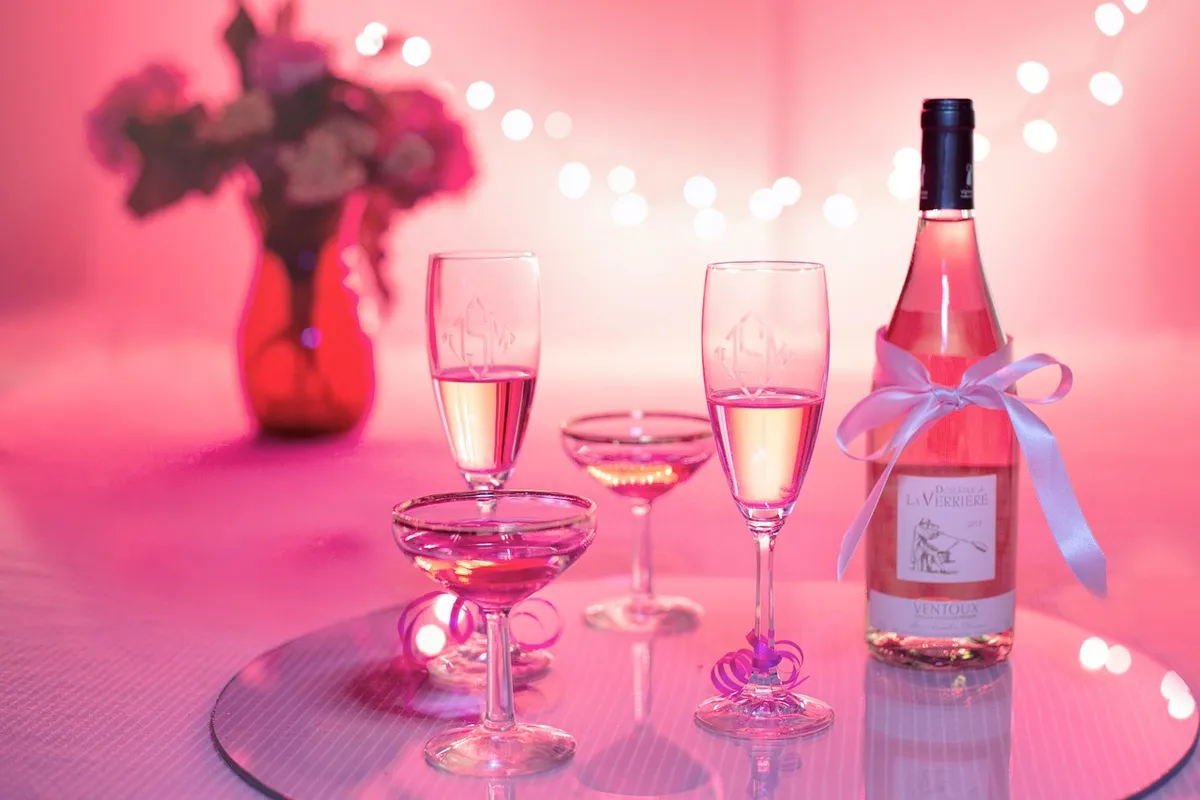
While "freshness" in these styles is about the integrity of the maceration, signs of old wine can manifest as shifts in color or texture. In traditional styles, the presence of skin contact means the wine is naturally more structured.
If you are looking for signs of old wine, pay attention to the depth of color and the presence of natural sediment. Because these wines involve skins and seeds, the interaction of organic matter can change the visual clarity over time.
This is a natural part of the aging process for wines made in qvevri.
The subject here is Why buy fresh wine now.
The same subject is also called Best wine freshness tips.
The same subject is also called Wine storage temperature guide.
This part also covers Wine distribution time guide.
Related
- Find Your Perfect Pour with Our Value For Money Wine Guide
- How much energy is in a glass of red wine?
How does the vessel influence the wine's color? The vessel used for fermentation directly impacts the final color of the wine. The contact between the fruit and the vessel dictates the story told by the wine's color. Ceramic vessels, such as the qvevri, contribute to the wine's character through their material interaction. This contact influences how the juice extracts pigments from the skins during maceration.
What conditions lead to a lighter wine color? A lighter wine color results from a shorter maceration period. The Western Georgian Imeretian method exemplifies this, where the maceration often continues for 15-30 days. This shorter duration yields a lighter color, which typically appears as orange or yellow. Conversely, the Kakhetian style, with its extended contact, produces a deep amber color.
The color of the wine provides an immediate indication of the process that shaped it. Observing the hue allows a drinker to infer the duration of skin contact. This visual cue relates directly to the intensity achieved through the maceration process.
Comments 0